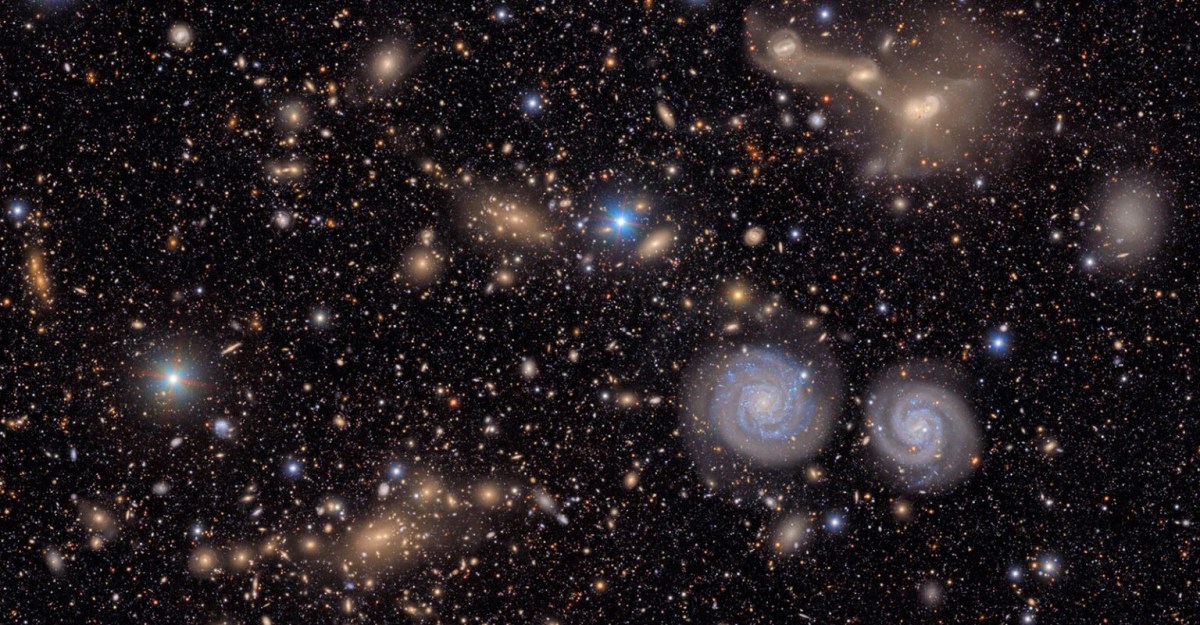
The Vera C. Rubin Observatory has officially launched its automated alert system, generating a remarkable 800,000 notifications on its first night. This significant milestone was achieved on February 24, 2024, marking the beginning of an era where astronomers are inundated with alerts about various celestial phenomena, including asteroids, supernovas, and black holes. The volume of alerts is expected to increase dramatically, potentially reaching several million each night.
The observatory had previously unveiled the first images captured by its Legacy Survey of Space and Time (LSST) camera in June 2023. Since then, both researchers and astronomy enthusiasts have eagerly awaited the activation of this alert system. Each night, the LSST camera captures approximately 1,000 images of the night sky, comparing them against a reference image taken when the telescope first became operational. This process allows the system to automatically flag any differences, utilizing advanced algorithms to differentiate between various celestial events.
The speed of this system is noteworthy. Within minutes of capturing new images, the observatory can send alerts to interested parties, allowing scientists to swiftly focus on transient events in the universe. The automated nature of the alerts is designed to maximize efficiency, ensuring that researchers can respond quickly to fleeting phenomena.
To mitigate information overload, the alert system includes customizable filters. Researchers can choose to receive notifications based on specific event types, brightness levels, or even the number of events occurring within a designated time frame. This feature is crucial as the Rubin Observatory ramps up its discovery efforts, allowing scientists to manage their focus amidst a potentially overwhelming influx of data.
As the alert system continues to operate, its impact on the field of astronomy is expected to be profound. By facilitating rapid responses to significant celestial events, the Vera C. Rubin Observatory is poised to enhance our understanding of the universe. The combination of advanced technology and a proactive approach to data dissemination represents a significant step forward in astronomical research.