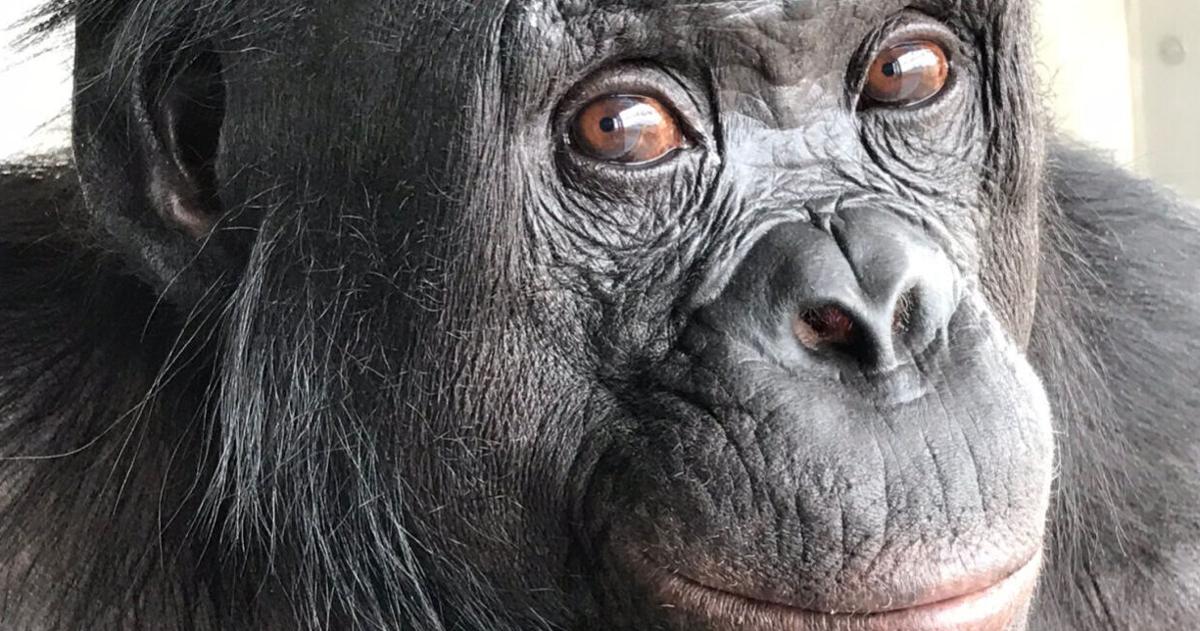
Research from the University of Warwick has uncovered new insights into whether apes can engage in pretend play, a behavior typically associated with human children. By introducing a novel concept of “imaginary juice,” scientists aimed to determine if apes possess the ability to imagine and act out scenarios, similar to how children transform their surroundings into realms of imagination.
The study, published in 2023, highlights that by the age of two, most children are adept at using their imagination to create pretend scenarios, such as tea parties or adventures in distant lands. In contrast, the question of whether non-human primates can exhibit similar behavior has remained largely unexplored until now.
The research involved presenting apes with a scenario where they were asked to act as though they were drinking an invisible juice. According to lead researcher Dr. Sarah J. B. Boulton, the experiment aimed to see if the apes could not only understand the concept of something that does not exist but also engage socially with one another in a playful context.
Findings on Cognitive Abilities
The findings suggest that some apes demonstrated a remarkable understanding of the imaginary concept, responding positively to cues that indicated the presence of the fictitious juice. This ability to engage in pretend play could indicate a more sophisticated level of cognitive development among apes than previously recognized.
Dr. Boulton emphasized the importance of these findings for understanding animal behavior and cognition. “This research opens a new window into the cognitive lives of apes,” she stated. “If they can engage in pretend play, it suggests that they possess a level of imagination that we are only beginning to appreciate.”
The research not only sheds light on the cognitive capabilities of apes but also raises questions about the evolutionary origins of imagination and play. By exploring these behaviors in apes, scientists can gain a better understanding of how these traits may have developed in humans.
Implications for Animal Behavior Studies
The implications of this study extend beyond just understanding apes; they also contribute to the broader field of animal behavior and cognition. As researchers continue to investigate the mental lives of various species, findings like those from the University of Warwick could reshape how we view the intelligence and emotional depth of non-human animals.
In conclusion, the exploration of pretend play in apes using imaginary juice provides a fascinating glimpse into the complexities of animal cognition. As scientists continue to unravel the intricacies of animal behavior, the lines between human and non-human intelligence may become increasingly blurred. This research not only enhances our understanding of apes but also invites further inquiry into the cognitive abilities of other species.