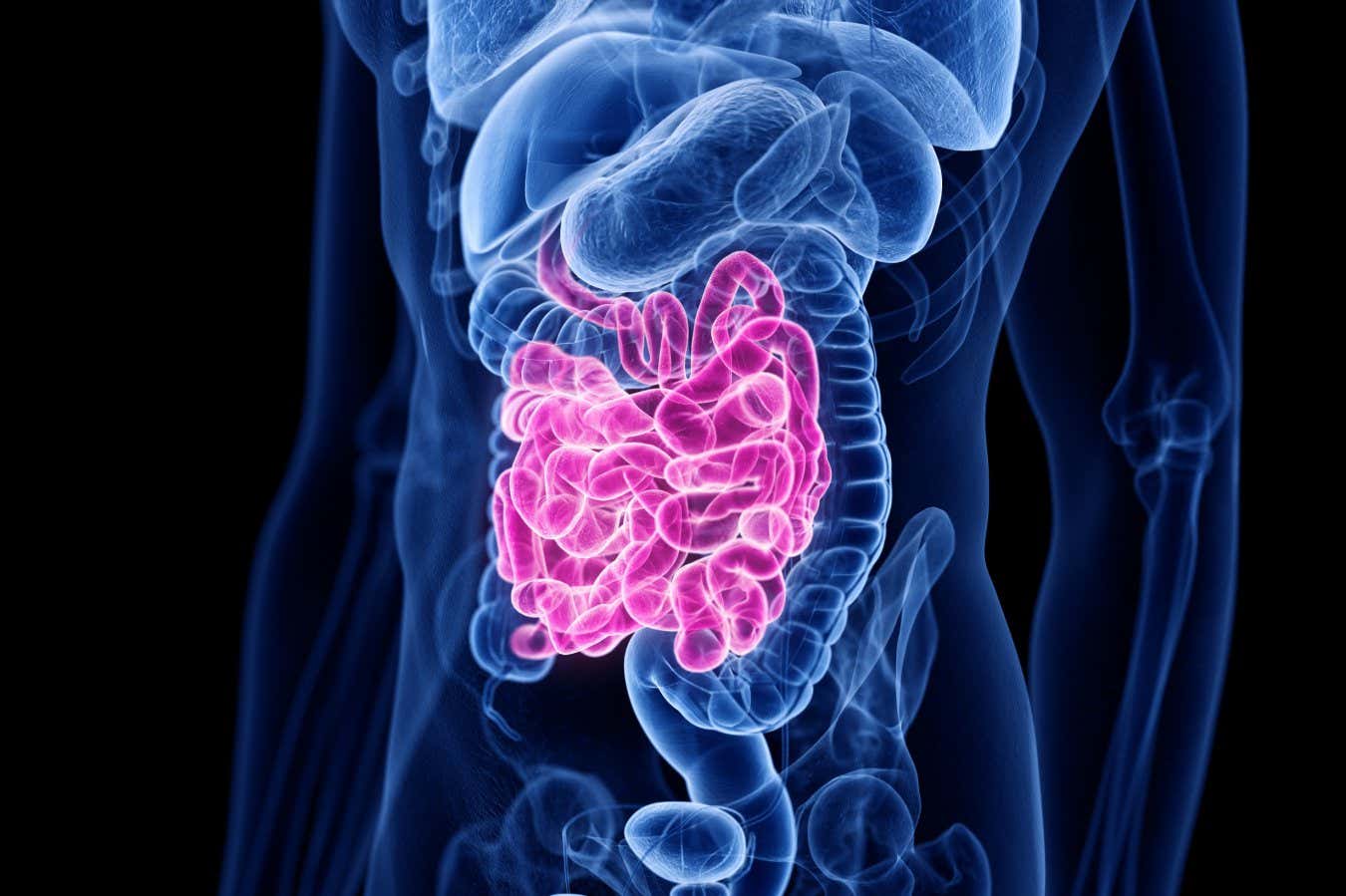
Research led by Semir Beyaz at Cold Spring Harbor Laboratory has demonstrated a groundbreaking application of CAR T-cell therapy, traditionally used for certain types of blood cancers, in rejuvenating the gut health of ageing mice. This innovative approach seeks to tackle the decline in regenerative capacity of intestinal cells, an issue that typically worsens with age.
A robust gut lining plays a crucial role in maintaining overall immune health. As individuals age, the cells lining the intestine become less capable of self-renewal, which can lead to various health complications. The research team focused on targeting senescent cells—those that have lost their ability to divide but continue to release inflammatory chemicals, contributing to further deterioration. The scientists aimed to eliminate these cells by utilizing CAR T-cells engineered to recognize a specific protein called uPAR, which is abundant on the surface of senescent cells.
Beyaz explained, “The decline we see in the ageing gut is a deficit in the fitness of the stem cells that renew the inner lining of the gut every three to five days.” The hypothesis was that by removing these unfit senescent cells, the regenerative capacity of the stem cells in older mice could be enhanced.
To validate their hypothesis, the researchers engineered CAR T-cells in older mice to specifically target and remove uPAR-expressing senescent cells. Following the infusion of these engineered cells back into the mice, the team observed a significant restoration in the activity and number of stem cells responsible for gut tissue maintenance. The results indicated that the gut function in these treated mice resembled that of younger counterparts, showing improved gut barrier integrity and reduced inflammation compared to a control group that received a non-targeted CAR T-cell therapy.
Corina Amor, a member of the research team, noted, “When we removed these senescent cells using engineered CAR T-cells, we didn’t just stop the ageing process, but also observed a reversal, where the tissue began behaving similarly to that of younger mice.” This finding suggests a potential pathway to combat age-related declines in gut function, which could lower the risk of intestinal infections and other related diseases, including cancer.
Despite the promising results, Tuomas Tammela from Memorial Sloan Kettering Cancer Center, who was not involved in the study, emphasized the necessity for further research to ensure the safety and efficacy of this therapy in humans. Onur Eskiocak, also from Cold Spring Harbor Laboratory, highlighted the importance of determining the optimal dosage of the therapy before any clinical trials can commence. “While uPAR is highly enriched on senescent unfit cells, low-level uPAR expression may also exist on normal tissues in other conditions,” he stated.
The presence of senescent cells is not always detrimental; they have been associated with positive processes like tumor suppression and wound healing. Jesse Poganik from Harvard Medical School raised concerns about the implications of depleting uPAR-positive cells in other tissues, noting the absence of data on these effects in the current study.
Additionally, experts caution that the complexity and high costs of CAR T-cell therapy may hinder its widespread application, particularly for preventive measures in otherwise healthy individuals. Joana Neves from King’s College London pointed out that for quality-of-life applications, the safety standards are substantially higher than in oncology.
Beyaz remains optimistic about the potential of this research, emphasizing the need for effective treatments aimed at preserving gut barrier health as individuals age. He stated that this study represents a significant step towards overcoming the challenges associated with ageing in gut function, suggesting a future where age-related deterioration may be effectively addressed.
As scientists continue to explore the capabilities of CAR T-cell therapy, the implications for treating various age-related health issues could reshape how we approach aging in the coming years.