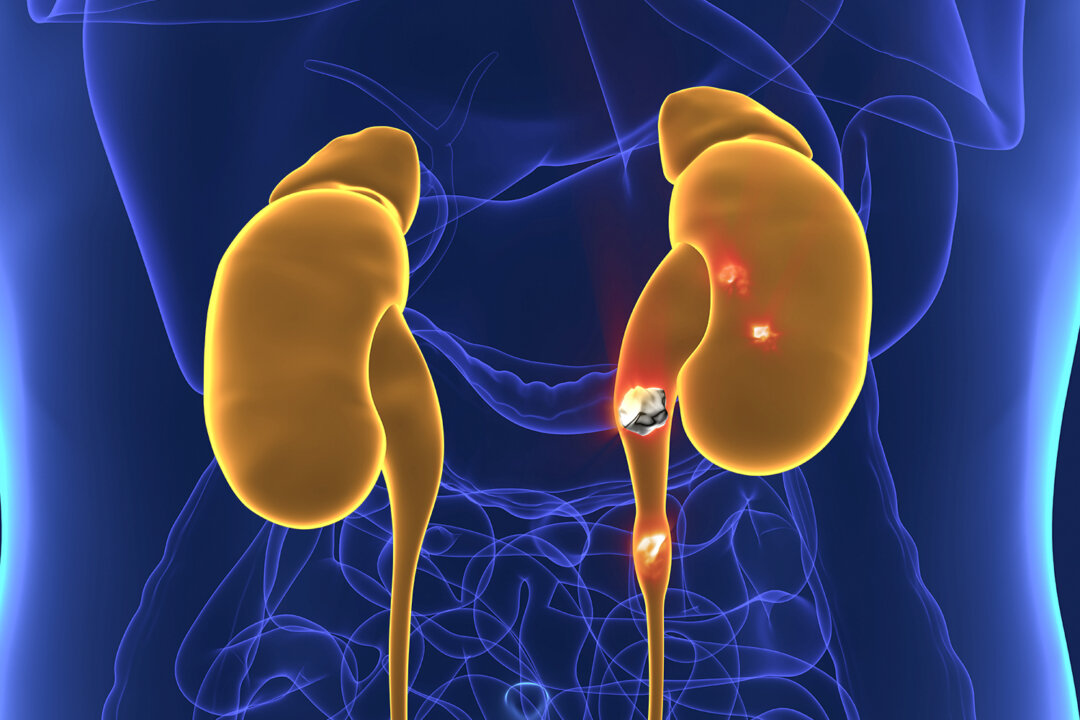
A new study from the University of California, Los Angeles (UCLA) has revealed that bacteria may be integral to the formation of kidney stones, challenging long-standing beliefs about their development. This significant finding suggests that the most prevalent type of kidney stone might not solely arise from chemical and physical processes, but could also involve bacterial colonies.
The research, led by a team of scientists, highlights how these bacteria can inhabit the stones and potentially contribute to their formation. According to Dr. Kymora Scotland, co-senior author of the study and assistant professor of urology at UCLA’s David Geffen School of Medicine, this discovery presents a paradigm shift in understanding kidney stones. She stated, “This breakthrough challenges the long-held assumption that these stones develop solely through chemical and physical processes, and instead shows that bacteria can reside inside stones and may actively contribute to their formation.”
The implications of this revelation are far-reaching. By recognizing the role of bacteria, researchers can explore new therapeutic strategies aimed at targeting the microbial environment within kidney stones. This could lead to innovative treatments that reduce the recurrence of this painful condition, which affects millions of people worldwide.
Kidney stones are notoriously painful and can lead to severe complications. Understanding their formation at a microbial level opens avenues for research that may ultimately improve patient outcomes. The study underscores the importance of considering biological factors in the treatment and prevention of kidney stones, which have traditionally been viewed through a purely chemical lens.
The research was published in March 2024 and is currently being reviewed for further studies. As scientists delve deeper into the relationship between bacteria and kidney stones, the hope is that this could lead to more effective management strategies for individuals prone to developing these painful stones.
In the broader context of health research, the findings from UCLA contribute to the growing body of evidence suggesting that microbial communities play crucial roles in various health conditions. As this field of study expands, it may redefine our approaches to not just kidney stones, but a myriad of other health issues influenced by bacterial presence.
As the medical community continues to investigate this fascinating connection, patients and healthcare providers alike may benefit from a more nuanced understanding of kidney stone formation and prevention.