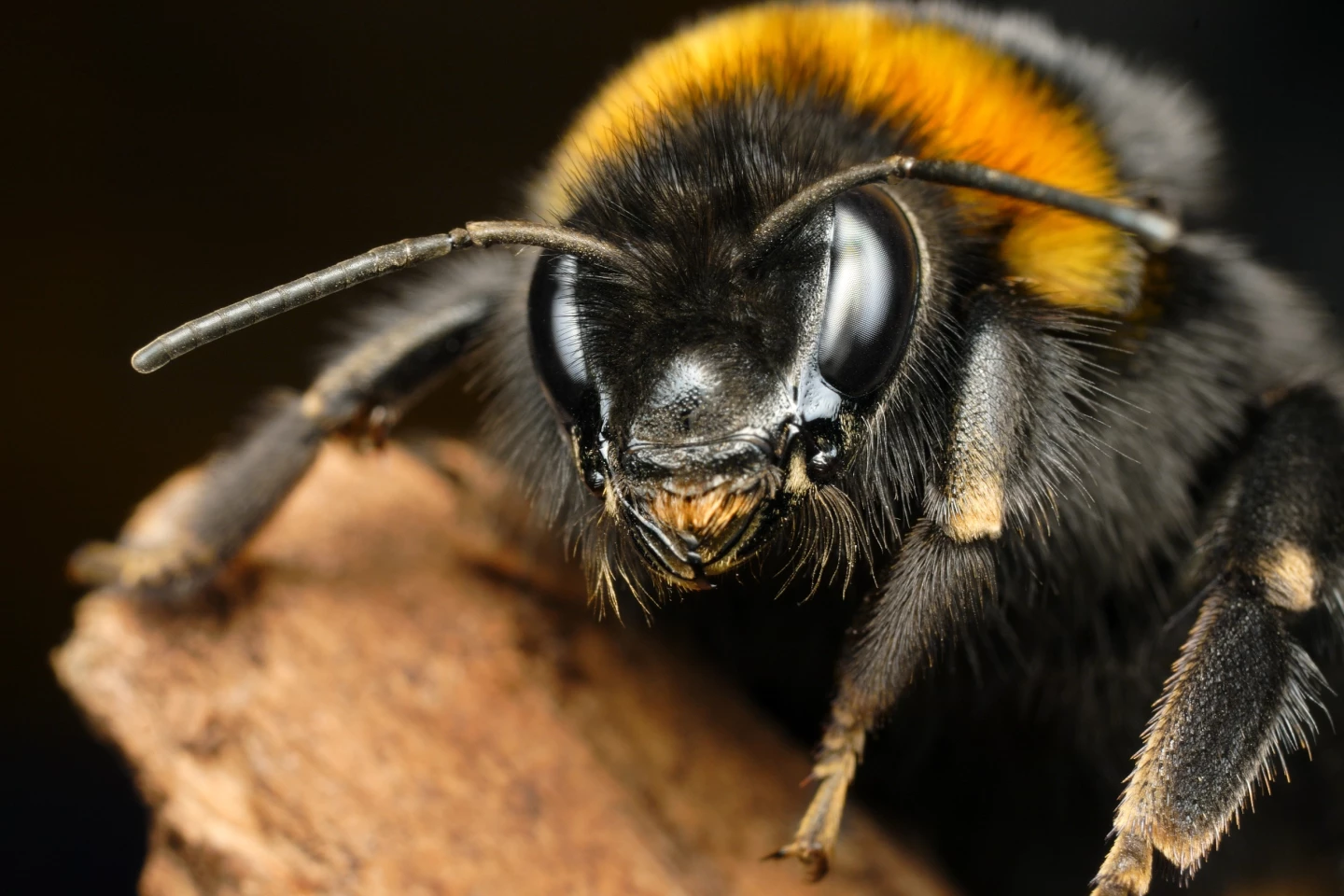
Research from Southern Medical University has uncovered unexpected social dynamics among bumblebees, challenging the perception of these insects as simple creatures. The study, published in March 2024, indicates that bumblebees exhibit complex social behaviors that resemble those seen in more traditionally social animals.
The investigation revealed that bumblebees communicate through a variety of signals, which influence their foraging behavior and social interactions within a colony. By observing these interactions, researchers found that positivity can spread among bumblebees much like a contagion, affecting their overall activity and efficiency in gathering food.
Understanding Bumblebee Behavior
Bumblebees are often viewed as delightful farmers of the natural world, bouncing from flower to flower. Yet, the study sheds light on their intricate social lives, highlighting how their communication methods impact their collective behavior. These insects utilize a range of signals, including vibrations and pheromones, to convey information to one another.
The researchers noted that when an individual bee experiences success in foraging, it can send positive signals back to the colony. This, in turn, encourages other bees to explore new food sources. The phenomenon illustrates a form of social learning, where the success of one bee can enhance the overall productivity of the entire colony.
Implications for Conservation
The findings have significant implications for the understanding of bumblebee ecology and conservation efforts. Bumblebees play a crucial role in pollination, impacting agricultural productivity and biodiversity. Understanding their social dynamics may help inform strategies to protect these vital insects in the face of declining populations.
The study also emphasizes the need for further research into insect communication and behavior. As bumblebees face threats from habitat loss and pesticide use, insights gained from this research can foster better practices in agriculture and habitat management.
In conclusion, the work conducted by Southern Medical University reveals that bumblebees are not just cute pollinators but complex social beings. Their ability to share positivity and influence one another’s behavior highlights the importance of social interactions in the animal kingdom, paving the way for new approaches to conservation and ecological studies.