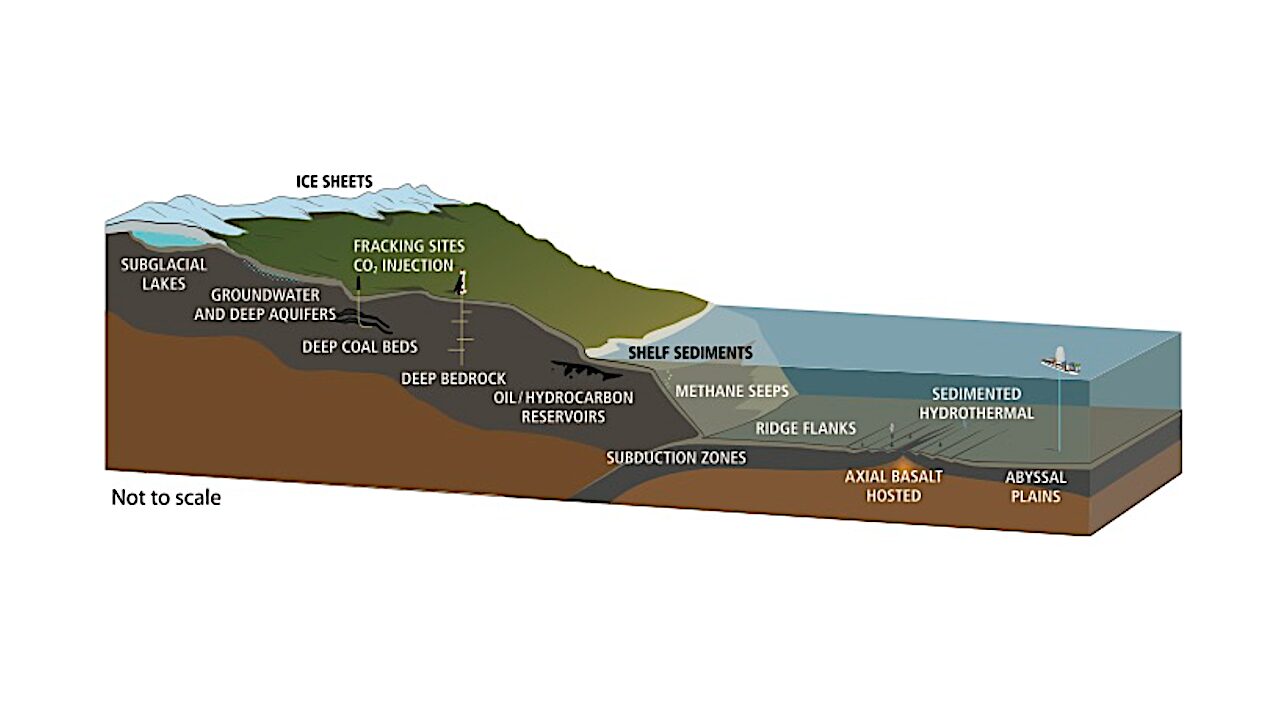
Subsurface microbiology is experiencing a pivotal shift, moving beyond basic identification of microbial life to a deeper understanding of their functions and the environmental processes that shape subsurface ecosystems. This evolution is vital, as the activities of these microorganisms are increasingly recognized as essential for addressing pressing societal challenges such as climate change mitigation and effective waste storage solutions. Both areas rely heavily on the study of subsurface habitats, yet opportunities for sampling and funding in this field continue to face significant constraints.
Current Landscape of Subsurface Research
This perspective highlights the critical status of subsurface microbiology, aimed at scientists interested in geomicrobiology, funding agencies, and professionals in the extractive and waste disposal sectors. A review of the history and current developments in subsurface science reveals a pressing need for enhanced exploration and understanding.
Despite its importance, the availability of subsurface sampling has diminished in recent years, leading to concerns about the future of research in this area. Limited funding opportunities hinder the exploration of these microbial communities, which play a crucial role in biogeochemical cycles and ecosystem functioning.
Engaging New Talent and Building Collaborations
One of the key recommendations emerging from this evaluation is the need to actively engage early-career microbiologists in subsurface research projects. By incorporating these scientists into drilling initiatives, the field can benefit from fresh perspectives and innovative approaches that are essential for advancing research.
Moreover, fostering partnerships with industry stakeholders is critical. Collaborative efforts between academic institutions and private companies can significantly enhance access to subsurface sites and resources, facilitating more extensive research opportunities. Microbiology-led drilling projects should be prioritized, especially in interdisciplinary initiatives that integrate microbiologists into the planning stages. This approach will ensure that microbial considerations are factored into drilling operations from the outset, enhancing the overall quality and relevance of the research.
In conclusion, addressing the challenges faced by subsurface microbiology requires a concerted effort from the scientific community, funding bodies, and industry leaders. By prioritizing funding for subsurface research and engaging a new generation of microbiologists, the field can make substantial contributions to understanding and mitigating some of the most pressing environmental issues of our time.