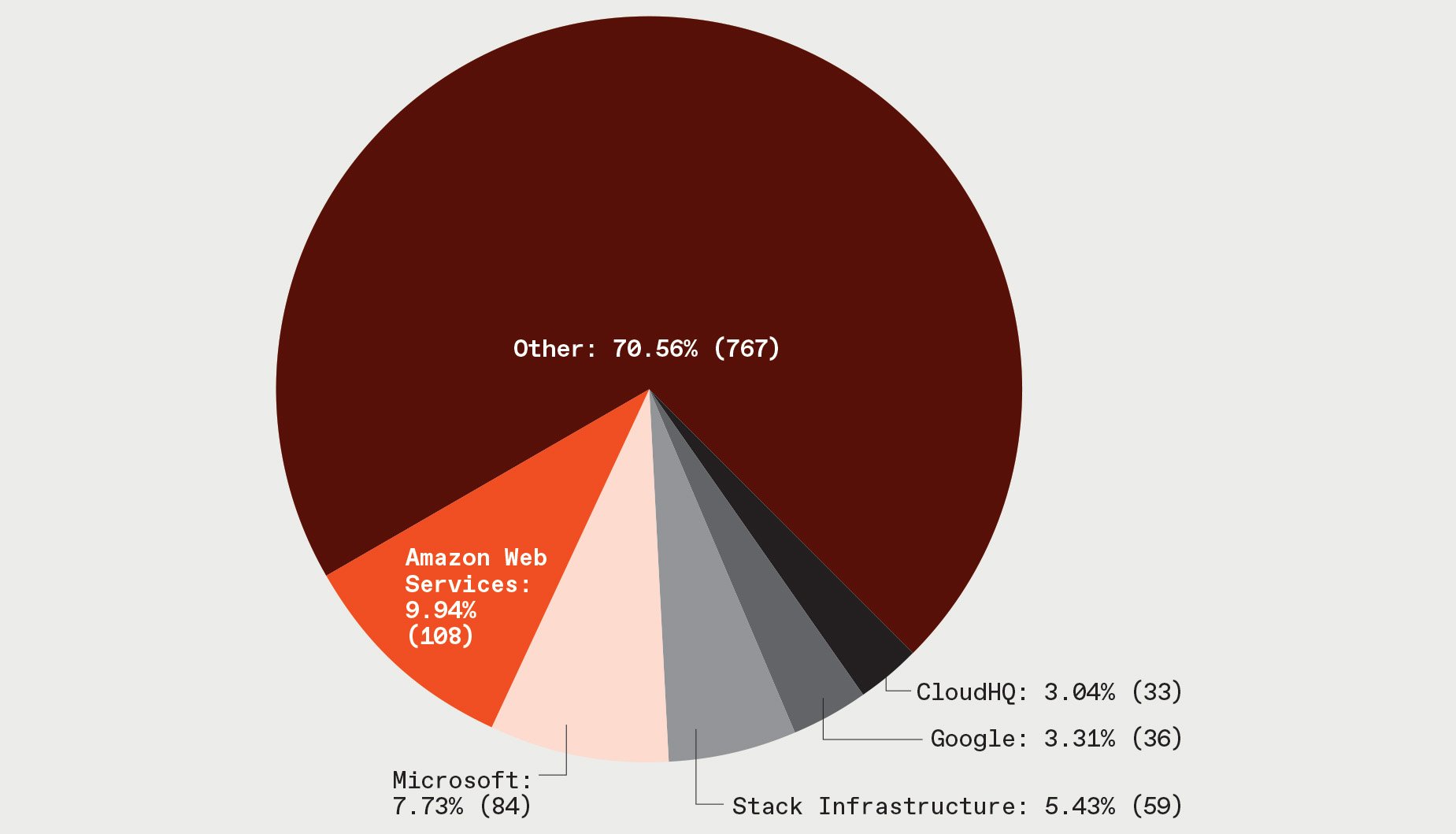
The global data center landscape is experiencing significant growth, with more than half of all forthcoming data centers located in the United States. This figure is derived from land purchases designated for yet-to-be-announced facilities, those under construction, and publicly available project plans. The dominance of the U.S. in this sector may even be understated, as ongoing trends suggest that the country will continue to lead in data center development.
Energy Efficiency and Size Advantages
Data centers in the United States are generally larger than their international counterparts, a difference attributed to various factors including land availability and the services offered. According to Tom Wilson, a researcher specializing in energy systems at the Electric Power Research Institute, the variations in power usage among data centers can significantly affect their operational capacity. “Data centers in the U.S. are much larger on average than data centers in other countries,” Wilson states, emphasizing the scale at which these facilities operate.
While the data provided by the analysis firm Data Center Map indicates the extensive development of U.S. data centers, Wilson raises concerns regarding potential gaps in the data from other regions. He notes that plans for Chinese data centers often remain undisclosed, which may lead to an underestimation of their growth in comparison to the U.S. He suggests that if comprehensive data were available, the U.S. would likely still lead, followed by China, with the rest of the world trailing behind.
Concerns Over Energy Demand
One of the pressing issues highlighted by Wilson is the ability of the U.S. power grid to accommodate the increasing energy demands of these expansive data centers. He points out that the grid has seen flat demand for nearly two decades, raising questions about its capacity to adapt to new growth. “We’ve had flat demand for basically two decades, and now we want to grow. It’s a big system to grow,” he explains.
To address these challenges, Wilson suggests that data centers adopt more flexible power usage strategies. This could involve scheduling high-demand computing tasks during off-peak hours or incorporating on-site battery systems to alleviate some of the pressure on the grid. The effectiveness of such measures in meeting the surging demand for energy remains uncertain, but they represent a proactive approach to a growing problem.
As the data center industry continues to expand, the balance between technological advancement and energy sustainability will be crucial. The developments in this sector not only reflect the increasing reliance on digital infrastructure but also highlight the need for strategic planning in energy consumption to ensure that growth does not outpace the necessary resources.