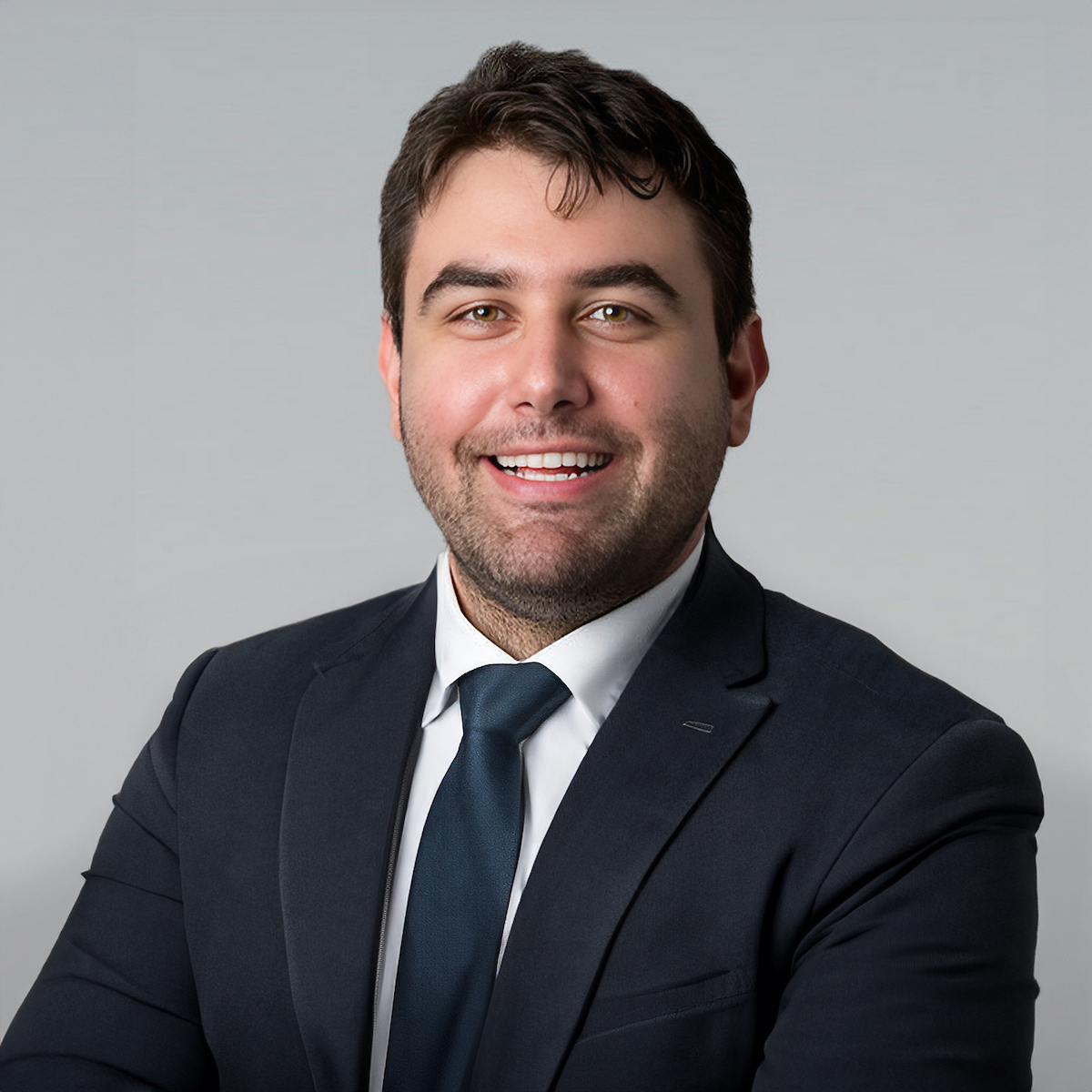
Professor Ludmil Alexandrov from the University of California, San Diego, has been appointed to lead an international research team that has received a substantial $25 million grant aimed at investigating cancer mutations. This funding comes from Cancer Grand Challenges, a collaboration between Cancer Research UK and the U.S. National Cancer Institute, which has committed over $400 million to support multidisciplinary teams tackling the most pressing challenges in cancer research.
New Insights into Cancer Mutations
Alexandrov, who earned his doctorate in computational biology from Cambridge University in 2014, brings significant experience to this initiative. Previously, he was a member of the highly regarded Team Mutographs, which received a similar $25 million grant in 2017. That project focused on identifying unusual mutation patterns caused by various cancer-related events and resulted in 38 research publications as well as the development of eight tools to track mutational signals in cells.
With this new project, named CAUSE, Alexandrov aims to uncover the origins of cancer mutations. The research will focus on “adducts,” which are chemicals that can bind to DNA molecules, leading to misreading during cell replication and potentially causing cancer. The team comprises specialists from various renowned institutions, including Silvia Balbo from the University of Minnesota, Emily Balskus from Harvard University, Juan Garaycoechea from the Hubrecht Institute in the Netherlands, and several others from the United Kingdom and the Netherlands.
Potential for Groundbreaking Discoveries
A tangible outcome from the earlier Team Mutographs effort was a significant paper published in Nature on April 23, which explored mutational signatures in early-onset colorectal cancer. This research analyzed 981 genomes collected from 11 countries and concluded that exposure to a toxin produced by bacteria, such as E. coli, during childhood significantly increases the risk of developing colorectal cancer before the age of 50.
While Alexandrov was in Europe receiving the grant, he was unable to provide further details about the project. However, in a statement from the university, he expressed optimism about the potential impact of the research. He stated, “The ability to decode the origins of mutational signatures has the potential to revolutionize our understanding of cancer. We believe that our research will pave the way for new discoveries and new treatments, ultimately improving outcomes for patients worldwide.”
The CAUSE initiative promises to contribute significantly to our understanding of how environmental and biological factors influence cancer development, potentially leading to innovative treatment strategies in the future.