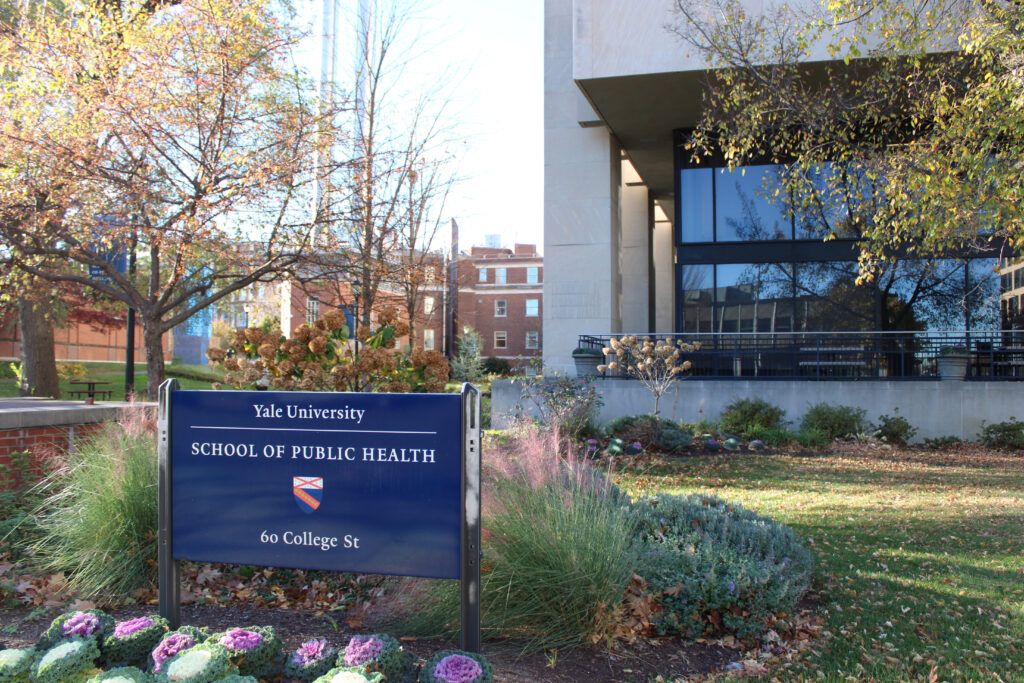
The Yale School of Public Health has announced plans to implement a new student loan program aimed at assisting borrowers impacted by recent changes to federal loan policies. This development follows the elimination of the federal Grad PLUS loan program, effective July 1, 2024, under the One Big Beautiful Bill Act. The announcement was made on social media on December 9, 2023, although specifics about the loan terms were limited.
The Grad PLUS program previously enabled graduate students to borrow up to the full cost of their education. With the changes set in motion by the One Big Beautiful Bill Act, which was signed into law last summer by President Donald Trump, new borrowing limits and eligibility criteria will take effect, affecting millions of students nationwide. According to the Yale School of Public Health, the new loan option will provide “comparable, if not more competitive, loan terms compared to previous Grad PLUS loans.”
The new program aims to support future students in their academic and professional journeys. A post from the school expressed hope that this initiative will help students succeed during their time at Yale and in their careers as public health professionals.
Starting in the 2026-27 academic year, new students at the School of Public Health will no longer have access to Grad PLUS loans. Current borrowers who have already taken out these loans will retain the original terms. Without the Grad PLUS program, graduate students will face borrowing caps of $20,500 per year, with a lifetime limit of $100,000. For professional students, the limits will be $50,000 annually and $200,000 overall.
The bill notably excludes nursing, social work, and public health degrees from its professional degree list, resulting in the implementation of these lower borrowing caps for students in these fields. The admissions webpage for the School of Public Health noted that anticipated changes to annual and overall loan limits are pending final guidance from the Department of Education.
Despite the challenges posed by the recent legislation, the Yale School of Public Health promises further information and application materials for the new program will be available soon. However, the school has yet to provide any additional details following its initial announcement.
In addition to navigating the implications of the Trump administration’s changes to student loans, Yale University is also contending with cuts to research funding and an increased tax on endowment investment returns. In early December, the University warned of potential future layoffs to address budget shortfalls.
The introduction of this new loan program appears to be a timely response to the changing financial landscape for graduate students and may play a crucial role in maintaining accessibility to education in public health at Yale.