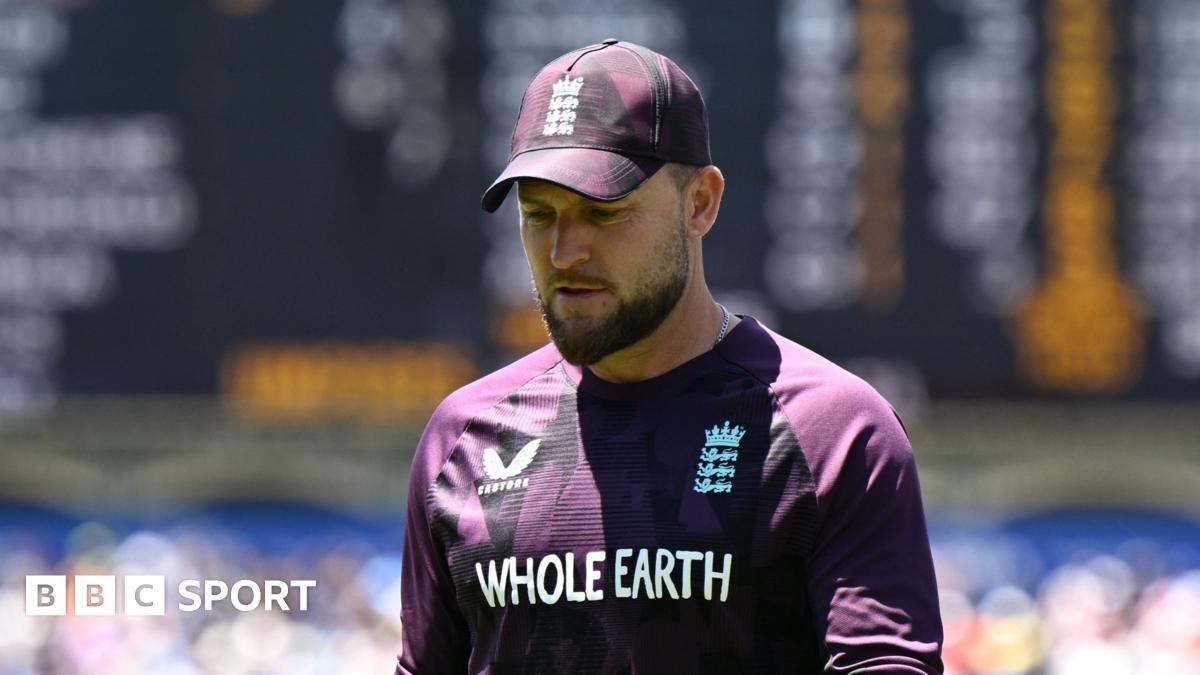
England’s cricket team is grappling with the ramifications of a disappointing Ashes series, currently trailing Australia 3-0. This latest defeat marks a significant low point, with many analysts considering it one of the most disappointing tours in recent memory. The team’s performance has raised questions about its preparations and overall strategy, particularly the decision to forgo traditional warm-up matches.
In a candid admission, coach Brendon McCullum acknowledged that the lack of proper preparation was a mistake. His willingness to accept accountability is seen as a critical step forward for the team. Had he maintained a rigid stance, concerns regarding his position could have intensified. The recognition of missteps offers a glimmer of hope for the future leadership of both McCullum and captain Ben Stokes.
Stokes, who has been a central figure in the team’s dynamics, expressed his determination to continue leading the squad. His resolve is vital, especially as he remains a cornerstone of the team’s morale and performance. Observers noted his evident disappointment following the latest match, a reflection of his commitment to the team’s success. With Stokes at the helm, England has been perceived as better organized and more focused.
Looking ahead, the responsibility for the team’s direction may increasingly rest on managing director Rob Key. His position could be vulnerable if the team fails to improve, as he is often viewed as the most accessible target for change by the England and Wales Cricket Board (ECB) leadership, including Richard Gould and chair Richard Thompson. Key has been criticized for allowing McCullum and Stokes too much leeway without sufficient oversight, raising concerns about the team’s strategic direction.
The recent performance in Adelaide showcased some positive signs, particularly from players like Zak Crawley, who scored 85 runs, and Harry Brook, who contributed 60 runs in a previous innings. Their efforts highlight the potential within the squad, despite earlier struggles. Crawley’s performance, in particular, was a relief to fans and selectors alike, indicating that some players are beginning to find their footing.
Despite these individual successes, the overall team cohesion and preparation need reassessment. Three players entered the day-night Test in Brisbane without prior experience playing with a pink ball, underlining gaps in readiness. Moving forward, a more open dialogue within the team environment is essential. Players should feel empowered to express concerns and seek additional preparation opportunities, such as participating in warm-up matches before critical series.
As the series progresses, the future of “Bazball,” the aggressive playing style championed by McCullum, is under scrutiny. The strategy, while exciting, may need to evolve to be more adaptable based on the team’s current dynamics and performance. Observers hope that the leadership duo of McCullum and Stokes can cultivate a more mature approach, balancing aggression with strategic foresight.
The upcoming T20 World Cup in February places further emphasis on McCullum’s leadership. A reflective stance on the current Ashes series may be crucial for future success. If both McCullum and Stokes can embrace a growth mindset, they may yet steer the team towards a more promising path.
In summary, the current Ashes series has exposed significant challenges for the England cricket team. However, with constructive introspection and a willingness to adapt, McCullum and Stokes could pave the way for long-term success. The upcoming matches will serve as critical tests for both the players and their leadership as they seek to restore confidence and performance on the international stage.