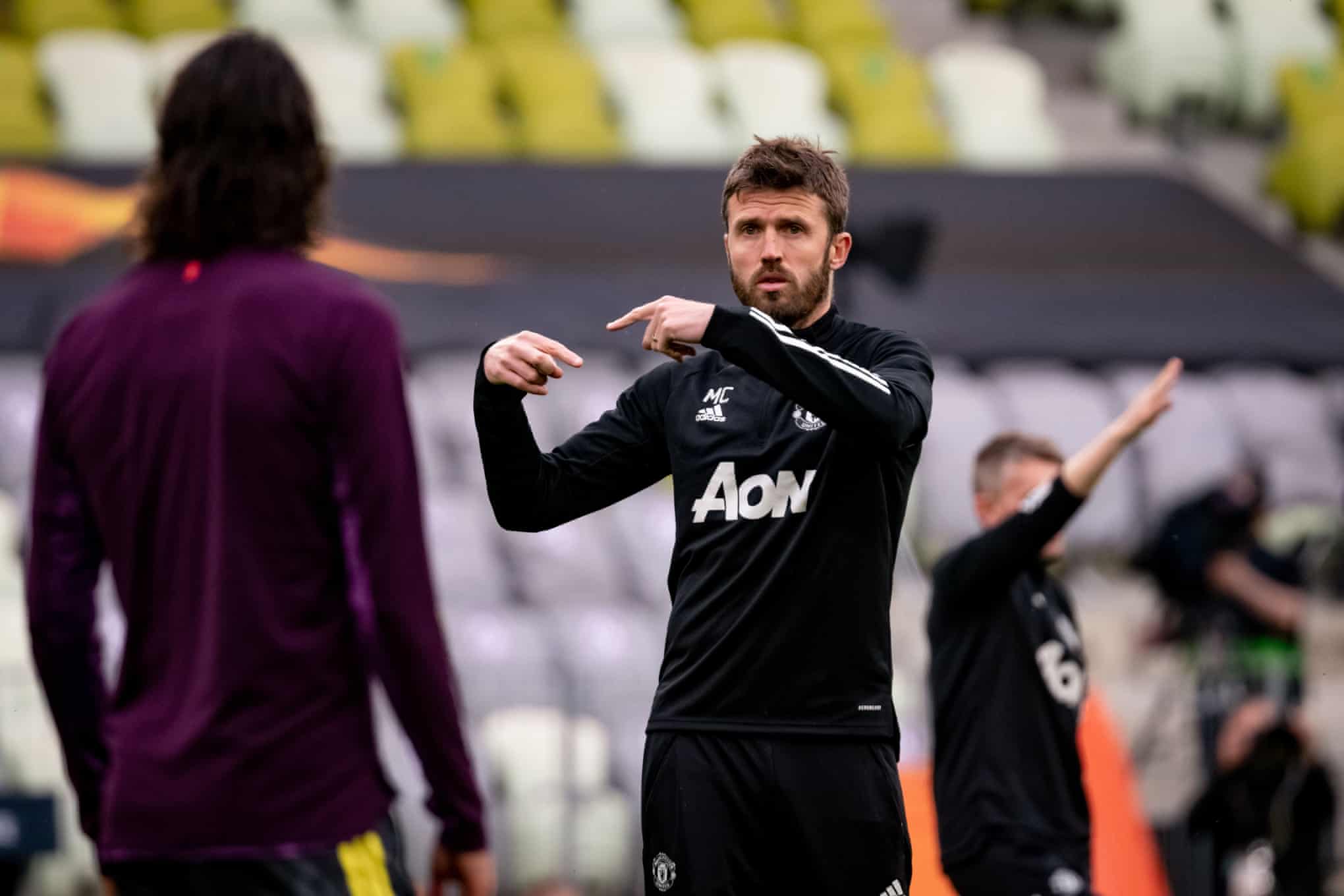
Michael Carrick has been appointed as the interim head coach of Manchester United, a role that presents both opportunities and challenges. While he brings a wealth of experience as a former professional player, Carrick’s history at Middlesbrough raises questions about his tactical flexibility. His approach, characterized by a patient and possession-heavy style, ultimately contributed to his departure from the club.
During his tenure at Middlesbrough, Carrick’s unwavering commitment to his philosophy was evident. After taking over in October 2022, he guided the team from 21st place to a commendable fourth in the Championship, alongside a memorable run to the Carabao Cup semi-finals. However, the club’s disappointing finish of 10th last season prompted owner Steve Gibson and the board to conduct a thorough review of Carrick’s strategy.
Tactical Rigidity and Its Consequences
Despite his popularity among players and staff, Carrick’s reluctance to adapt his tactics became a point of contention. Following a lackluster playoff performance against Coventry in May 2023, Middlesbrough’s management faced increasing pressure to reassess their direction. Carrick’s supporters noted that the sale of key striker Emmanuel Latte Lath for a club-record £22.5 million to Atlanta United had a destabilizing effect on the squad. His coaching had notably transformed Latte Lath into a key player, which made the subsequent sale all the more impactful.
In addition to Latte Lath’s departure, Carrick’s management faced scrutiny for not maximizing the potential of his resources. While injuries affected the team’s performance, other clubs with lower budgets, such as Bristol City and Sunderland, surpassed Middlesbrough in the league standings. Sunderland’s promotion with a young, flexible squad raised further questions about Carrick’s tactical approach.
Despite these challenges, Carrick’s integrity and commitment to the team earned him respect. His ability to foster a supportive environment drew praise from players, including Hayden Hackney, who experienced significant development under Carrick’s guidance. However, critics pointed to a perceived lack of dynamism in his in-game management, particularly when facing teams that adapted quickly to his style.
Looking Ahead to Manchester United
As Carrick steps into his new role at Manchester United, he will need to address these tactical concerns to succeed at a club with high expectations. His experience as a caretaker manager at United and his coaching apprenticeship under José Mourinho and Ole Gunnar Solskjær provide a solid foundation. Nevertheless, he faces the formidable task of reinvigorating a squad that has been inconsistent in recent seasons.
In his previous managerial position, Carrick’s adherence to a single playing style often made Middlesbrough predictable. His inability to adapt during matches, as highlighted by opponents like Alex Neil and Paul Heckingbottom, pointed to a need for greater tactical versatility. For Carrick, the challenge will be to balance his core principles with the flexibility required to respond to the dynamic nature of top-flight football.
As he embarks on this new journey, Carrick will undoubtedly draw on the lessons learned from his time at Middlesbrough. He aims to reignite his coaching career and bring success back to Manchester United. The coming weeks will be critical in determining whether Carrick can evolve his approach and lead the team to new heights.