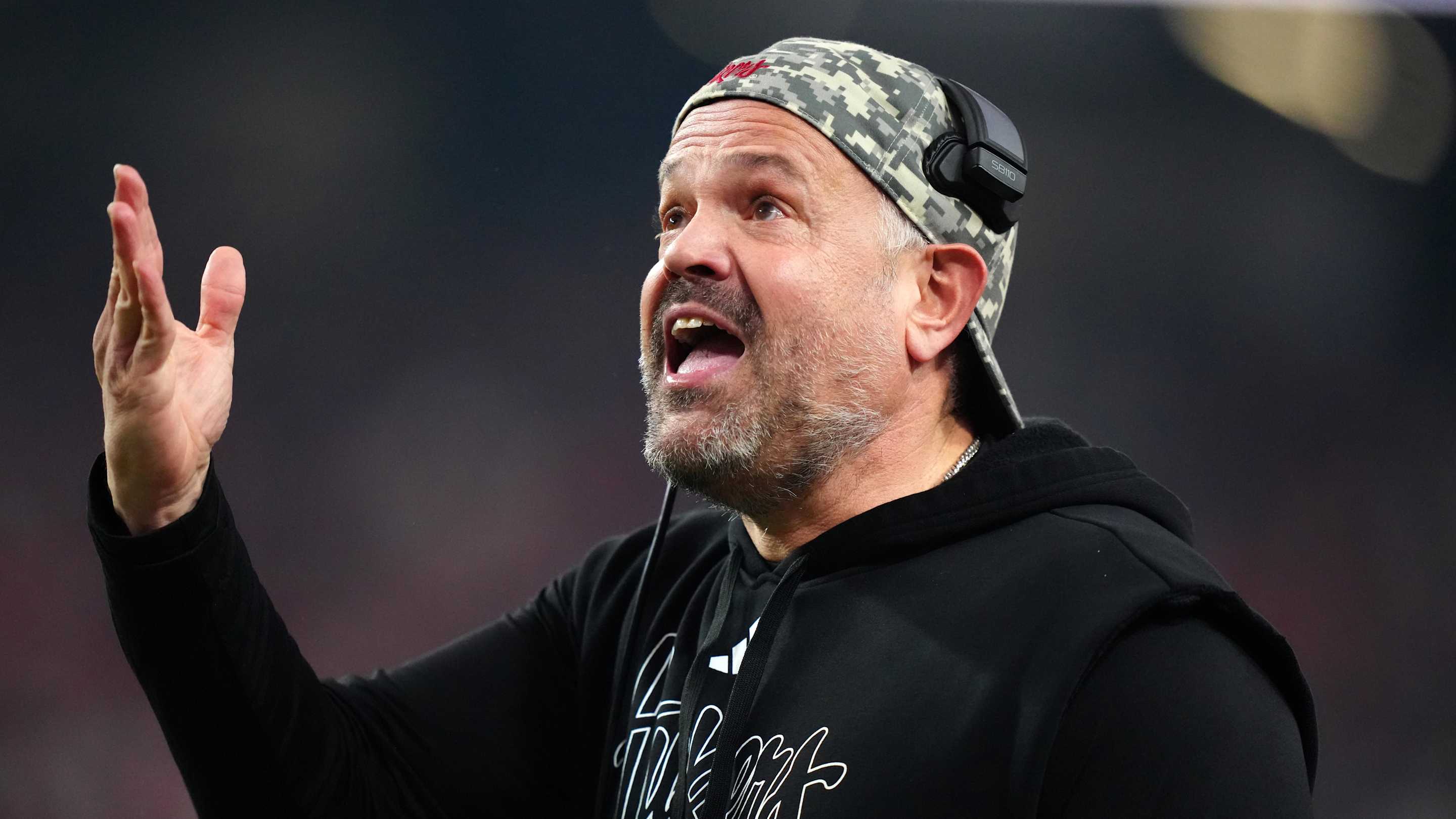
The Utah Utes decisively defeated the Nebraska Cornhuskers 44-22 in the Las Vegas Bowl on December 31, 2025. This victory marked a significant achievement for Utah, which improved its season record to 11-2, while Nebraska concluded the season at 7-6 for the second consecutive year. Utah’s performance was characterized by a remarkable turnaround after trailing 14-7 in the first quarter, as they scored 37 unanswered points in the following three quarters.
Initially, Nebraska showcased promise, out-gaining Utah 157-102 in the first quarter. However, the Cornhuskers faltered significantly, managing only five yards over their next six possessions. Meanwhile, Utah capitalized on the opportunity, amassing 31 points and 324 yards in the same span. Despite limiting Utah to 225 rushing yards—45 yards below their average—the Cornhuskers’ pass defense, ranked #2 nationally, allowed 310 passing yards, significantly exceeding their average.
Nebraska’s struggles were compounded by the absence of key players, including All-American running back Emmett Johnson and second-leading tackler Deshon Singleton. Their absence highlighted the disparity between the two teams, as Utah appeared to embody the aspirations that Nebraska fans hoped their team would achieve.
The season started optimistically for Nebraska, with a record of 5-1 and a competitive edge in close games, but it ended on a troubling note. The team suffered three consecutive blowout losses, culminating in a cumulative score of 121-48 in those games. This alarming trend raises questions about whether the program has made any substantial progress, or if it continues to reflect a history of mediocrity.
Looking ahead, the Cornhuskers face an uphill battle. Coach Matt Rhule has acknowledged the need for change, evidenced by the dismissal of both offensive and defensive line coaches and the defensive coordinator. The hiring of new offensive line coach Geep Wade has already shown promise, with reports indicating a positive initial impact on the offensive line. However, without bolstering the roster through the transfer portal, Wade will face considerable challenges in enhancing the team’s performance.
Utah’s success serves as a cautionary tale for Nebraska, demonstrating how quickly fortunes can change in college football. The Utes, who were 5-7 the previous season, transformed their roster with 14 new players acquired through the transfer portal, including standout quarterback Devon Dampier. Dampier’s contributions included 310 passing yards and three rushing touchdowns, showcasing the potential for rapid improvement under the right circumstances.
Despite the disappointing outcome of the Las Vegas Bowl, there were moments of individual success for Nebraska. Running back Mekhi Nelson recorded 12 carries for 88 yards and a touchdown, while Isaiah Mozee added 33 rushing yards and 48 receiving yards. Quarterback TJ Lateef completed 15 of 28 passes for 182 yards, though his performance raised concerns about his ability to secure the starting position moving forward.
Defensively, Nebraska struggled throughout the game, although redshirt freshman safety Caleb Benning stood out with 13 tackles—more than doubling his career total prior to this game. The overall defensive performance was lackluster, underscoring the need for significant improvements in the offseason.
As the transfer portal opens, Nebraska has the opportunity to reshape its roster. The team’s +2 turnover margin is a notable statistic, marking the first positive turnover margin for the Cornhuskers since 2016. While this indicates some progress, the need for substantial changes remains evident.
With a reported NIL budget of $30-40 million, Nebraska is positioned to attract new talent and potentially reverse its recent fortunes. As the offseason progresses, fans and analysts alike will be watching closely to see if the current leadership can steer the program towards a more competitive future. The road ahead may be challenging, but the potential for transformation exists within the rapidly evolving landscape of college football.