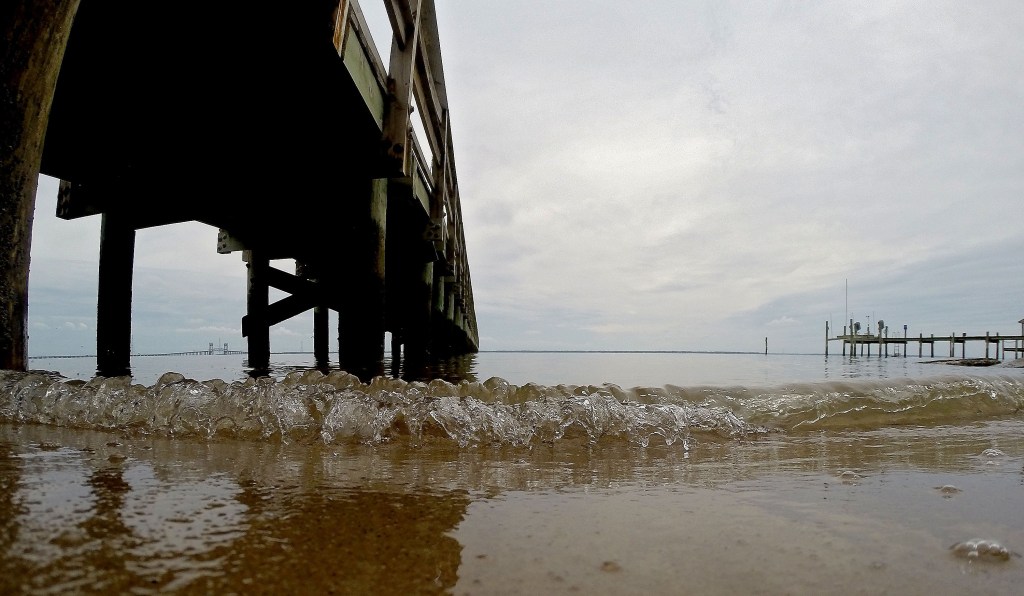
UPDATE: This week marks the 50th anniversary of one of Virginia’s most devastating environmental disasters, the Kepone contamination of the James River. On December 17, 1975, then-Governor Mills Godwin announced an unprecedented ban on commercial and recreational fishing in the river due to “unauthorized and unwarranted release” of the toxic pesticide Kepone, a known carcinogen. The closure shocked local watermen and significantly impacted their livelihoods.
Authorities confirmed that Allied Chemical Corp. and Life Science Products were responsible for dumping an estimated 20,000 to 40,000 pounds of Kepone into the James River, causing a public health crisis that sickened numerous residents. The ban on fishing lasted until 1988, costing the fishing industry an estimated $18 to $20 million (equivalent to around $80 million today).
The contamination prompted a grassroots response, leading to the formation of the James River Association in 1976. Executive Director Bill Street emphasized the importance of community action, stating, “If someone didn’t take measures to preserve it, all could be lost.” Today, the association works tirelessly to improve water quality and protect the river, which remains a crucial source of drinking water for Virginians.
The fallout from the Kepone disaster spurred significant legislative changes, including the Toxic Substances Control Act of 1976 and amendments to the Clean Water Act. The environmental legacy of the disaster has shaped how watermen like J.C. Hudgins, president of the Virginia Waterman’s Association, advocate for ongoing protections against pollutants such as PCBs and PFAs.
While the levels of Kepone in the river have decreased, experts warn that remnants still linger buried in sediment. Mike Unger, a retired Virginia Institute of Marine Resources professor, noted that monitoring continues as the community remains vigilant against new threats to the Chesapeake Bay ecosystem.
As the James River Association continues its efforts, it currently rates the river a B in its State of the James Report, aiming for an A rating in the future. “The James is the largest source of drinking water in Virginia, and we believe that everyone deserves to have grade A drinking water,” Street emphasized.
The legacy of the Kepone disaster is a stark reminder of the need for environmental vigilance in Virginia and beyond. As communities worldwide navigate similar challenges, the lessons learned from the James River contamination serve as a critical guide for future ecological stewardship.