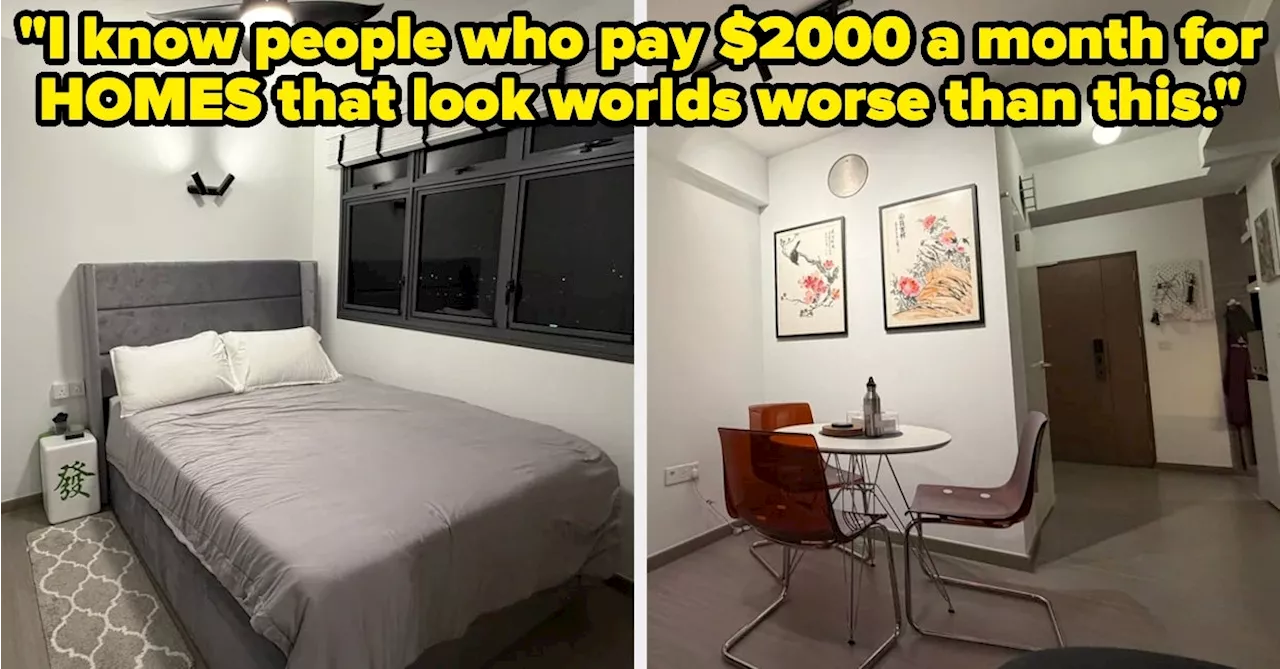
UPDATE: Americans are expressing disbelief over the quality of government-subsidized housing in Singapore, sparking intense discussions about the stark differences in housing systems between the United States and this Southeast Asian city-state. Social media is buzzing with reactions as images of these impressive apartments circulate, challenging perceptions of what “subsidized” housing can look like.
The immediate reaction highlights a broader crisis in the U.S., where many are struggling with rising costs and the growing belief that homeownership is increasingly out of reach. “I knew this couldn’t be in the U.S. with how nice it is,” one commenter remarked, encapsulating the shock many feel as they compare their housing situations to those in Singapore.
Singapore’s approach to affordable housing stands in stark contrast to that of the U.S. While American cities grapple with skyrocketing rents and housing shortages, Singapore has effectively managed to provide high-quality living spaces for its residents. The city-state allocates nearly double the funding for affordable housing compared to New York City, despite having a similar land area and density.
Authorities report that approximately 43% of land in Singapore is available for development, primarily owned by the government. In comparison, less than 20% of land in NYC is similarly available, raising questions about the efficiency and effectiveness of housing policies in the U.S.
Critics argue that the notion of “subsidized” housing often comes with stigma, leading many to assume lower quality. However, the Singaporean model demonstrates that quality and affordability can coexist, something many Americans are now yearning for as they face the harsh reality of their housing market.
As public discourse intensifies, many are left wondering if similar policies could be adopted in the U.S. to alleviate the current housing crisis. Will American policymakers take note of Singapore’s success in affordable housing?
This situation is evolving rapidly, and residents are invited to share their thoughts on housing challenges in both Singapore and the U.S. The conversation continues, and many are eager to discuss potential solutions inspired by this juxtaposition.
For those affected by the housing crisis, the implications are profound and immediate. The growing frustration among Americans calls for urgent action and innovative thinking to address the housing affordability crisis that is impacting millions.
Stay tuned for more updates as this story develops.