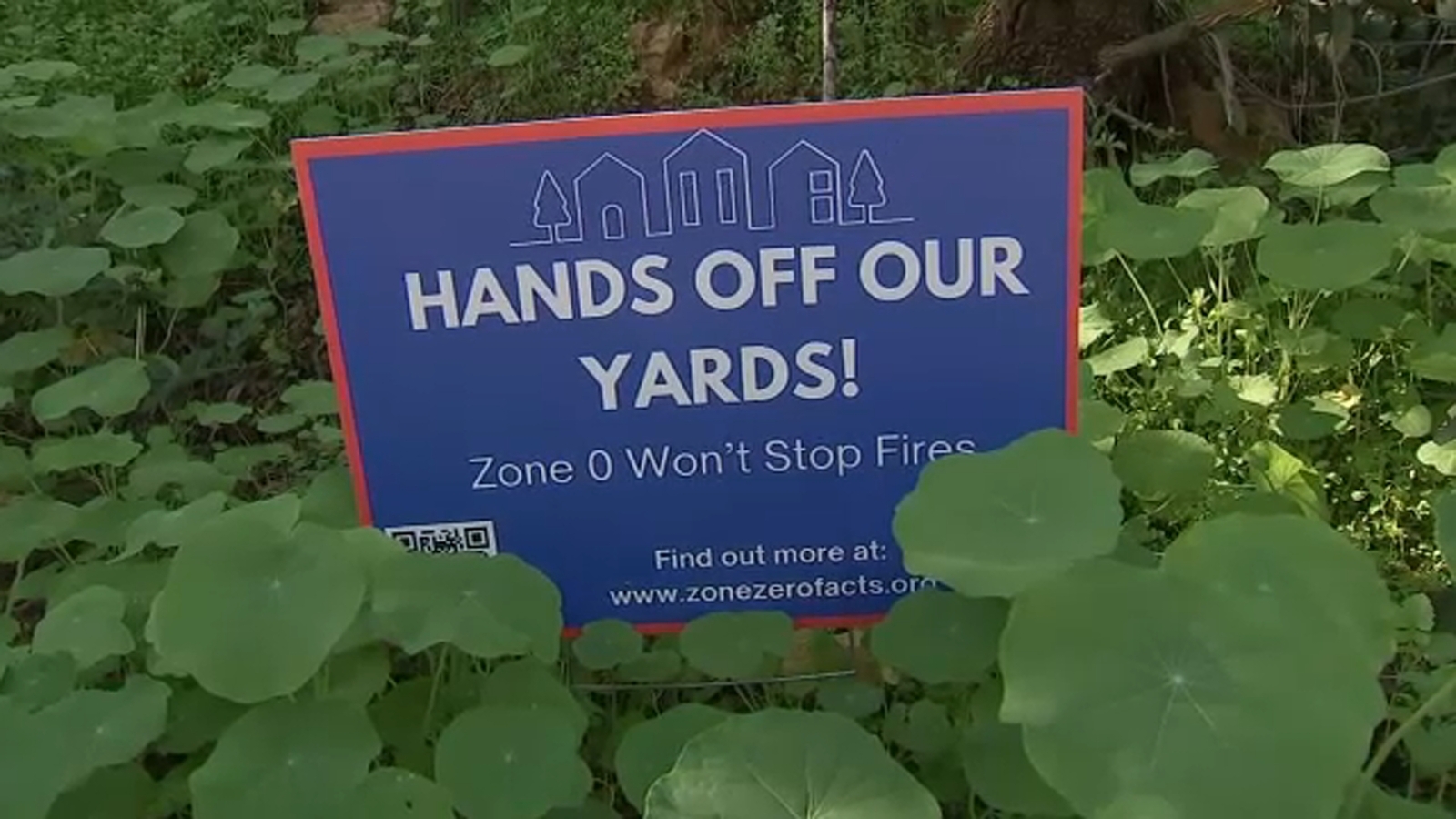
California is implementing new regulations aimed at creating plant-free zones around homes in high-risk fire areas, a move that has sparked significant debate among residents in Los Angeles. The proposed law, known as Zone Zero, is a response to the devastating wildfires that occurred in January 2023, which underscored the urgent need for fire prevention measures. While the intent is to enhance safety, many homeowners are expressing concerns about the potential costs and inconveniences associated with these regulations.
Zone Zero targets the area closest to a home’s perimeter, specifically the space from zero to five feet. The legislation aims to establish an ember-resistant defensible zone to reduce the risk of wildfires spreading to residential areas. The new guidelines are part of California’s ongoing efforts to address the rising frequency and intensity of wildfires, particularly in urban settings.
Community Concerns Over Regulations
Residents like Thelma Waxman, a Brentwood homeowner, argue that the Zone Zero regulations do not consider the unique characteristics of urban neighborhoods. “I live in an urban, dense neighborhood, and they’re applying rural wildfire zone regulations to me,” she stated. “The fire risks here and the conditions are not the same.” Waxman emphasizes that scientific research indicates homes in Southern California often burn due to embers rather than the type of vegetation nearby.
Similarly, Yael Pardess from Mount Washington criticized the proposed rules, calling them an “extreme reaction” that unfairly blames plants for fire risks. She fears the regulations will fundamentally alter the local ecosystem and the lifestyle many Angelenos cherish. “These rules are so contra to our lives here, to our environment, to our birds, to the heat, to the shade,” Pardess asserted.
The draft regulations could require homeowners to remove combustible materials near their properties, clear dead leaves and flammable plants, trim branches to a minimum distance of ten feet from chimneys, and maintain space between trees and shrubs. Although these measures aim to mitigate fire risk, many residents feel they are overly broad and do not account for the specific conditions of their neighborhoods.
Regulatory Process and Future Implications
The Board of Forestry has been engaging with the community as part of the regulatory process, and final guidelines for Zone Zero are expected to be released in the Spring of 2024. Once approved, homeowners will have three years to comply with the new requirements. Local jurisdictions may also develop their own rules to address the unique needs of their communities.
Wade Crowfoot, California’s Secretary for Natural Resources, remarked on the significance of the recent wildfires in shaping the Zone Zero proposal. He noted that the January wildfires demonstrated how urban conflagrations can occur when fire spreads rapidly from home to home, often ignited by combustible materials. “The focus since then has been, given just how intense that urban risk is, that was really on display with the LA wildfires — How do we get Zone Zero?”
California State Senator Ben Allen, who represents West Los Angeles, has expressed a desire to balance fire safety with property rights and aesthetic considerations. He acknowledged the role of the insurance industry in advocating for strict regulations but also emphasized the importance of grounding these policies in sound fire science. “The challenge for us in government is how do we come up with a policy that is as least restrictive as possible,” he explained.
Despite the push for stricter regulations, residents like Waxman remain skeptical about the effectiveness of Zone Zero in securing insurance coverage. She pointed out the overwhelming influence of the insurance industry, questioning whether scientific advice is being sidelined in favor of more stringent policies. “So who do they listen to? The scientists at UCLA, who advise me, or the insurance company that is holding California hostage?” Waxman asked.
The Board of Forestry estimates that Zone Zero will impact approximately 2 million structures, which accounts for 17% of all structures in California. As discussions continue, the tension between safety measures and community interests remains a critical focal point, with residents urging officials to consider the ecological and social implications of the new rules.
As California navigates the complexities of wildfire management, the outcome of the Zone Zero regulations will likely have lasting effects on both fire safety and the quality of life for residents in high-risk areas.