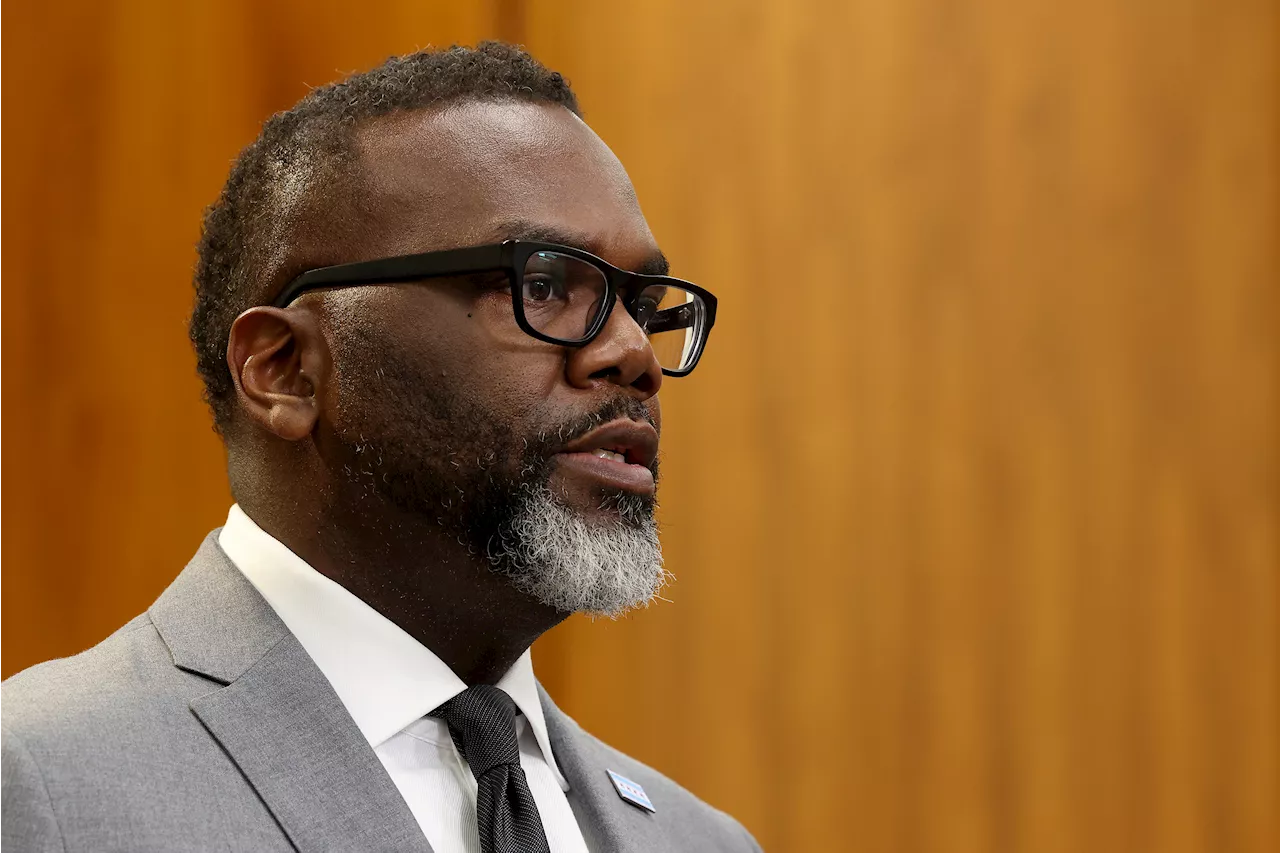
URGENT UPDATE: Chicago Mayor Brandon Johnson is intensifying efforts to implement a controversial corporate head tax in his 2026 budget plan, facing fierce resistance from business leaders who warn it could devastate local industries. The proposed tax, which would charge large companies $21 per employee each month, is aimed at addressing the city’s significant budget deficit.
As of Thursday, January 1, 2024, Johnson is making a final push to secure support from the Chicago City Council, which must finalize the budget by New Year’s Eve. “We see this as a responsible way to balance the budget with these large corporations. It’s going to affect about 3 percent of them,” Johnson stated, emphasizing his commitment to collaborate with council members for potential compromises.
However, the reaction from the business community is overwhelmingly negative. Prominent figures like Sam Toia, president and CEO of the Illinois Restaurant Association, are vocalizing their concerns. “This is just not a good idea. A midsized restaurant could easily have over 100 employees,” Toia argued, suggesting that the tax could prompt companies to reduce their on-site workforce, ultimately harming the restaurant sector. “If teams work remotely two or three days a week, foot traffic to restaurants will plummet.”
The mayor’s plan comes at a time when many local businesses are still recovering from the pandemic’s economic impact. On Thursday, Johnson visited Auburn Gresham to meet with residents, including homeowner Cheryl Robinson, who expressed frustration over skyrocketing property taxes, which have surged by nearly $1,000 from the previous year.
Adding to the urgency, reports confirm that layoffs are already occurring within city departments. The Chicago Department of Public Health (CDPH) has issued layoff notices to between 50 to 70 employees due to the expiration of federal COVID-19 response grants. CDPH officials clarified that these positions were always contingent on available funding, highlighting the precarious nature of employment in the sector.
Johnson reassured the public that he is working to prevent further layoffs while seeking revenue solutions. “We’ve worked with our labor partners, and it’s crucial that corporations remain at the table,” he stated. Yet, the current landscape raises questions about job security for many workers.
As the clock ticks down to the budget deadline, City Council members and residents alike are left to weigh the potential consequences of the proposed tax. With the stakes high, both the mayor and business leaders are bracing for a pivotal showdown in the coming days.
Stay tuned for further updates as this story develops.