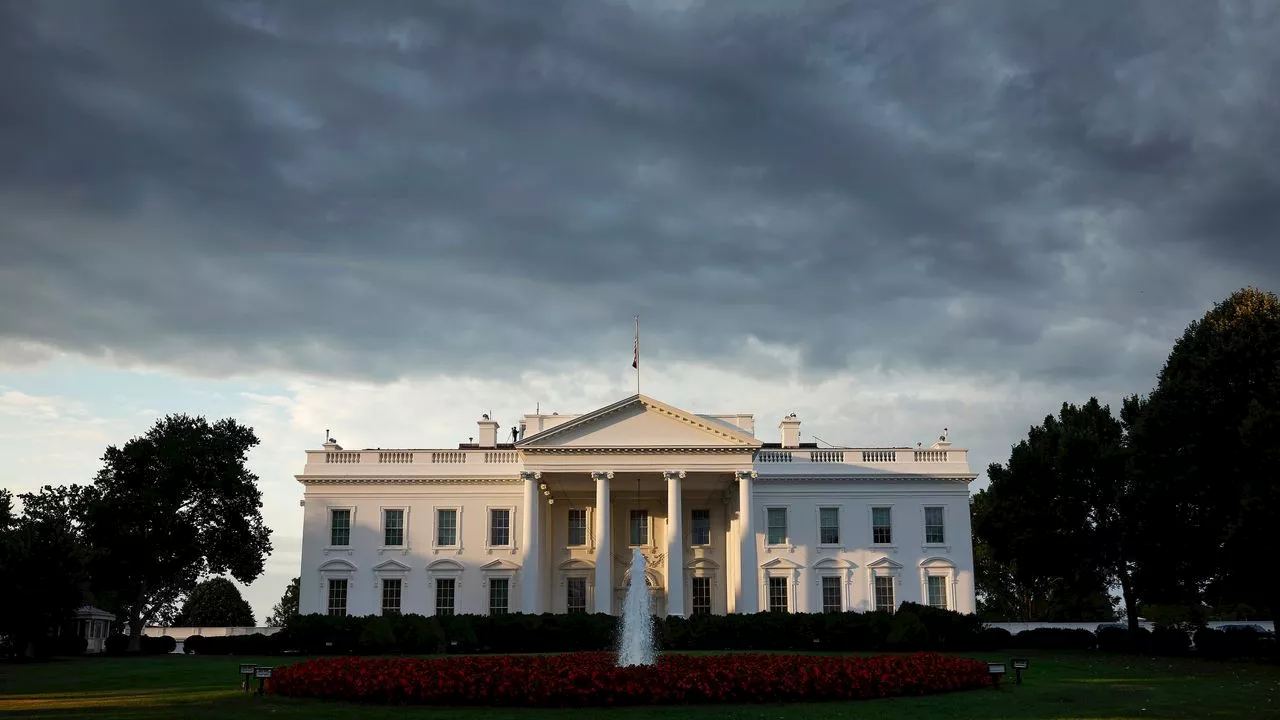
UPDATE: Renowned journalist Chris Whipple just wrapped up a highly anticipated Reddit AMA, revealing explosive insights into the Trump administration and the evolving role of the White House Chief of Staff. The session took place Thursday at One World Trade Center, where Whipple faced a barrage of questions from users on r/politics about everything from Jeffrey Epstein to media dynamics within 1600 Pennsylvania Ave.
Whipple’s interactions shed light on the candid perspectives shared by current Chief of Staff Susie Wiles, who he described as “unguarded and freewheeling.” He emphasized her belief that Donald Trump was “unfairly maligned” by mainstream media during his first term. The journalist defended the integrity of his reporting, stating, “When the White House uses words like ‘context,’ you know you’re on the right track as a journalist.”
The AMA also delved into the critical responsibilities of a Chief of Staff. Whipple highlighted James Baker and Leon Panetta as benchmarks for effectiveness, stating, “They could execute the president’s agenda and tell him hard truths.” With the executive branch growing more powerful, the role of Chief of Staff has become crucial, notably for someone like Wiles, who navigates a complex landscape under Trump’s leadership.
In a provocative moment, Whipple addressed allegations that his piece was “timed propaganda” regarding Trump’s connection to Epstein. He firmly stated, “The timing of the Vanity Fair piece had nothing to do with the release of the Epstein files,” insisting that Wiles’ remarks about Trump were revealing, particularly her use of the term “young playboy” in reference to the former president’s past.
The AMA also explored the dynamics of the Trump administration, including the intensity of aides like Stephen Miller, who Whipple described as a “loyal soldier for the MAGA cause.” He expressed mixed views on whether current political figures, like JD Vance, are “true believers” or merely leveraging Trump’s popularity for future gains.
Whipple’s reflections on the administration’s communication strategies revealed a challenging environment for journalists. He noted, “The Trump administration hasn’t made a habit of talking to mainstream media reporters,” suggesting that access to key figures like Wiles is rare and may not extend to future journalists.
As reactions to his AMA pour in, Whipple expressed satisfaction with the public’s positive reception of his work, despite the administration’s silence on specific claims from his article. He remarked, “They’ve failed to challenge a single assertion or quotation from the piece.”
The urgency of Whipple’s insights underscores a critical moment in American political journalism, as the landscape continues to shift dramatically. With topics like retribution and the upcoming midterms on the horizon, Whipple’s reflections promise to shape discussions for months to come.
Stay tuned as we follow the latest developments from this ongoing story and more revelations from the world of politics.