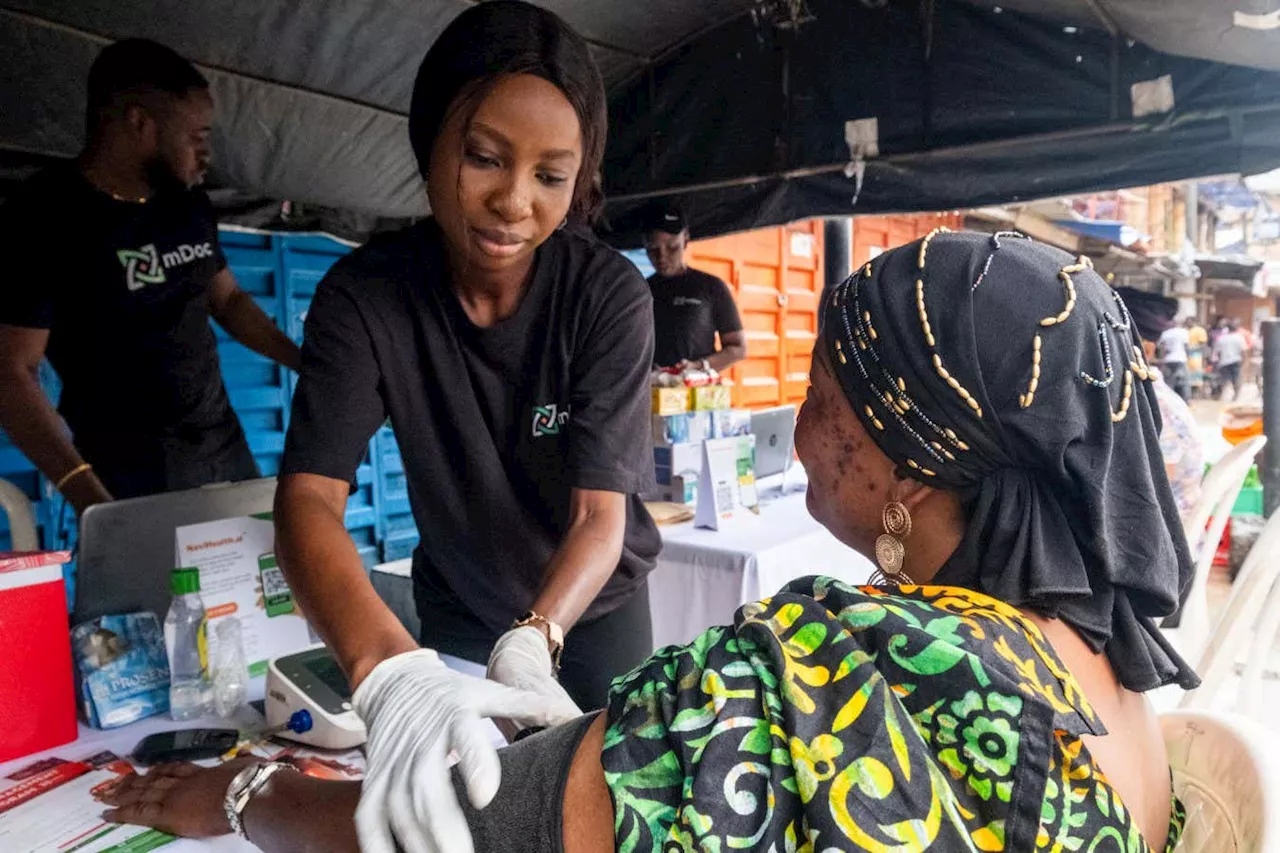
This International Women’s Day, Anita Zaidi, a prominent advocate for women’s health, highlights the urgent need for significant investment in research to address the profound knowledge gaps affecting women’s health globally. Zaidi, who previously worked as a paediatrician in Karachi, Pakistan, recalls her distressing experiences with preterm infants born to mothers suffering from preeclampsia—a condition shrouded in uncertainty regarding its causes and prevention. She stresses that every day, countless women and newborns die from complications related to pregnancy and childbirth, particularly in regions like sub-Saharan Africa and South Asia, where healthcare systems are often strained by poverty and inadequate infrastructure.
Addressing the Knowledge Gap in Women’s Health
The lack of understanding surrounding conditions like preeclampsia contributes to a staggering number of maternal and infant fatalities. Zaidi emphasizes that a shocking gap in knowledge extends across various women’s health issues, including menopause, which can affect women for as long as ten years. This prolonged discomfort is often dismissed as a normative experience, leading to insufficient research and understanding among healthcare professionals.
Zaidi argues that this oversight is not due to the complexity of the science but rather a pervasive indifference to women’s health issues. The prevailing attitude has shaped research priorities, resulting in a dire need for comprehensive studies. Current statistics reveal that only a fraction of healthcare research funding is allocated to women’s health conditions, excluding cancers. Consequently, many fundamental questions remain unanswered. For instance, while it is known that heart disease manifests differently in women, the reasons behind this discrepancy are still unclear. In stark contrast, extensive research exists on male-specific health conditions, such as the effects of Viagra.
Progress and Potential in Women’s Health Research
Despite the existing challenges, Zaidi is encouraged by recent developments in the field. During various conferences and discussions on global health, increased attention is being given to the necessity of investing in women’s health. Decision-makers and investors are beginning to recognize both the scale of the problem and the potential benefits of addressing it after years of neglect.
“When women are healthy, they are more creative at work, more present with family, and more active in society,” Zaidi states. “We must start investing the resources and attention needed to meet the breadth and complexity of the challenges facing women’s health as soon as possible.”
One promising area of research is the vaginal microbiome, which consists of a diverse mix of bacteria residing in the vagina. Research in this field has gained momentum in the last decade, with Zaidi’s team at the Gates Foundation leading efforts to explore its implications for pregnancy outcomes, including preterm birth and susceptibility to infections like HIV. Preliminary findings suggest that interventions aimed at promoting beneficial bacteria in the vagina could significantly reduce the risk of sexually transmitted infections and complications during pregnancy.
Although progress is being made, Zaidi insists that collaboration between public and private sectors is essential to address the extensive challenges women face in healthcare. The United Kingdom, in particular, has an opportunity to take the lead in this initiative by leveraging its reputation for health innovation and supporting initiatives that enhance women’s health both domestically and internationally.
As the world observes International Women’s Day, it is crucial to acknowledge that investing in women’s health is not merely a healthcare issue; it is a matter of social and economic vitality. Women cannot thrive in their personal and professional lives if they are not healthy. The time to act is now, and it begins with a collective commitment to prioritize and fund research that will empower women and improve health outcomes on a global scale.