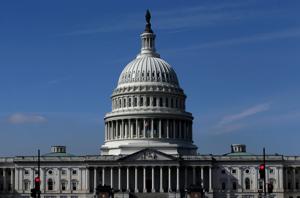
URGENT UPDATE: Tensions escalate in Washington as Congress demands an immediate vote on a war powers resolution following President Donald Trump’s unilateral military strike on Iran this past Saturday. Key lawmakers fear this action could spiral the U.S. into a deeper conflict without necessary congressional approval, raising alarms over its legality.
Just announced, members from both the House of Representatives and the Senate are mobilizing for a rare war powers debate next week. This crucial discussion will not only assess Trump’s decision to act without formal authorization but will also serve as a significant referendum on the administration’s military strategy in the Middle East.
Lawmakers, including influential senators and representatives, argue that Trump’s military actions could violate the Constitution, which grants Congress the power to declare war. They are pressing for swift action to restrict any further military engagement with Iran unless the administration secures their approval.
In a statement to the press, a senior congressional leader emphasized,
“We cannot allow the president to engage in military operations without the checks and balances that our Constitution mandates.”
This sentiment echoes across the political spectrum as both parties express concerns about the implications of Trump’s recent maneuvers.
Both chambers of Congress had previously drafted war powers resolutions long before the recent strike, indicating a bipartisan recognition of the need for oversight on military actions. Now, with tensions inflamed, they are prepared to act swiftly.
The upcoming debate is expected to draw significant media attention and public interest, as it highlights the ongoing struggle between executive power and legislative oversight. Observers warn that if Congress does not act decisively, it could set a precedent for future military actions without legislative consent.
As the situation unfolds, all eyes will be on Washington. The upcoming vote could redefine the boundaries of presidential authority in matters of war, impacting U.S. foreign policy for years to come. Citizens are urged to stay informed as developments continue to emerge.
What happens next is crucial; Congress must act quickly to assert its role and ensure proper checks on military power. The implications of this debate extend far beyond the Capitol, resonating with citizens concerned about the future of American military engagement abroad.