BREAKING: The episode “Code of Honor” from Star Trek: The Next Generation is facing intense backlash as cast members and fans decry it as the worst in the franchise’s history. Just revealed, actors including Michael Dorn and Brent Spiner have publicly condemned the episode, calling it “racist” and “offensive.”
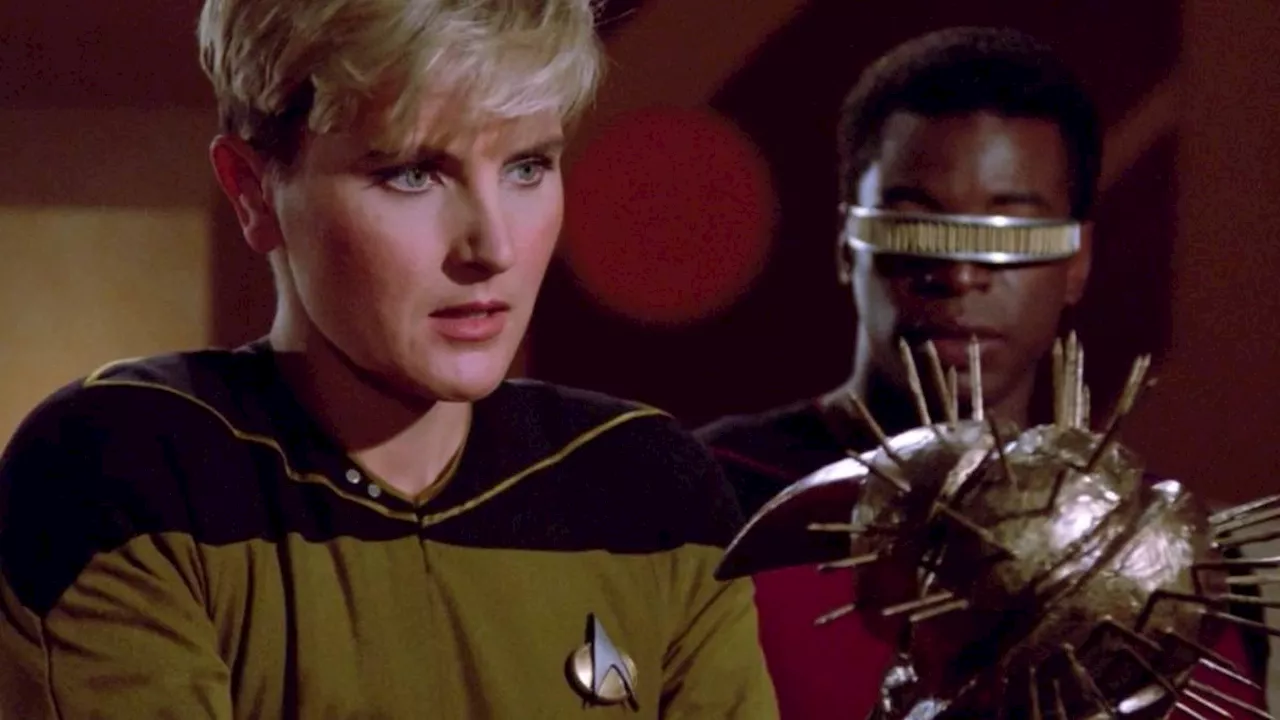
The controversy centers on the representation of the Ligonian culture, depicted by Black actors in stereotypical roles and attire. This portrayal diverges sharply from the series’ legacy of promoting inclusivity and diversity. The episode sees Tasha Yar (played by Denise Crosby) abducted by Lutan, a Ligonian leader, culminating in a dangerous fight to the death, further amplifying the episode’s problematic themes.
Initially aired during the show’s first season in 1987, “Code of Honor” was intended to showcase cultural differences but ended up sparking outrage instead. According to sources, director Russ Mayberry made casting choices that contributed to the episode’s negative reception, which was later condemned by Gene Roddenberry, the franchise’s creator.
In the episode, the crew of the USS Enterprise visits Ligon II to procure a vaccine for Styris IV, currently suffering from an outbreak of Achilles fever. Tensions rise when Yar’s combat skills captivate Lutan, leading to her abduction. Captain Picard’s demands for her return are met with indifference, triggering a series of confrontations that culminate in a life-or-death duel.
Despite the episode’s original intent, criticism has been relentless. Jonathan Frakes labeled it a “racist piece of s**t,” while LeVar Burton expressed that it “stinks, without question.” Writer Tracy Torme even compared it to the notorious Amos ‘n’ Andy sitcom, known for its negative stereotypes of Black Americans.
The fallout from “Code of Honor” raises urgent discussions about representation in media. Critics argue that despite the franchise’s groundbreaking themes, this episode is a stark reminder of the pitfalls within its storytelling. As fans continue to express their outrage, this episode is likely to remain a focal point in the ongoing dialogue about race and representation in entertainment.
What happens next? The fallout may lead to renewed scrutiny of past episodes and their impact on current and future productions. Fans are calling for a reevaluation of how stories are told in the Star Trek universe, advocating for more authentic and respectful portrayals of diverse cultures.
As the debate continues to unfold, it’s clear that “Code of Honor” is more than just an episode; it symbolizes a critical moment in the franchise’s history, urging all to reflect on the importance of representation in media.
Stay tuned as we follow this developing story and its implications for both the Star Trek community and the broader entertainment industry.