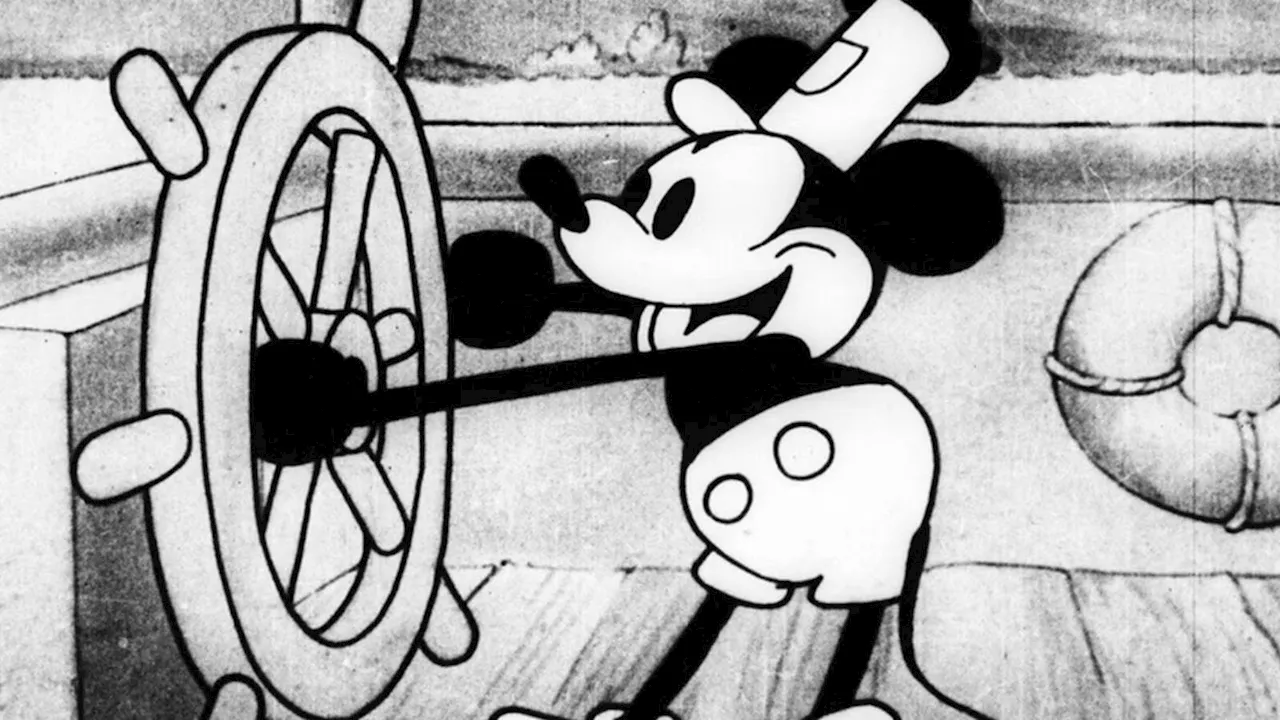
URGENT UPDATE: As of today, January 1, 2024, a collection of iconic works has officially entered the public domain, including a beloved Disney character and Agatha Christie’s groundbreaking first novel. This shift means that works published in 1930 and earlier, as well as sound recordings from 1925, can now be freely used and adapted by creators around the world.
Among the notable releases is The Murder at the Vicarage, Christie’s first novel featuring the astute detective Miss Marple, which is now available without copyright restrictions. Additionally, early Disney shorts, including The Chain Gang and The Picnic, showcasing the first appearances of Mickey Mouse’s canine companion, Pluto, are now open for public use.
Jennifer Jenkins, the director of Duke University’s Center for the Study of the Public Domain, emphasized the significance of this development, stating,
“The public domain really is the soil for future creativity. If copyright lasted forever, it would be very difficult for a lot of creators to make the works they want to make without worrying about being in the crosshairs of a copyright lawsuit.”
This moment is pivotal for creators and educators alike, as it allows them to revise and reinterpret classic literature and characters without legal constraints. Public domain works can inspire new adaptations, much like the recent cinematic reimagining of Winnie-the-Pooh that sparked interest after the original stories entered the public domain in 2022.
The expiration of copyright protections opens doors for a plethora of creative projects based on these timeless stories. For instance, Homer’s The Odyssey has become the foundation for an anticipated film by director Christopher Nolan, set to release in 2026.
Importantly, while the original stories are now free to use, specific interpretations and designs—such as Disney’s versions of characters like Snow White and Cinderella—remain protected under copyright laws. This means that while the fundamental stories can inspire new works, original artistic expressions still require permission.
Creative industries should prepare for an influx of adaptations and reimaginings as these new public domain entries inspire fresh takes on classic narratives. The potential for innovation is vast, allowing storytellers to breathe new life into established characters and plots.
As we step further into 2024, the implications of this public domain expansion are already beginning to unfold. Creators are encouraged to explore these new opportunities, and fans can anticipate a wave of adaptations that reflect both historical significance and contemporary creativity.
Stay tuned for more updates on how these developments in the public domain will shape the creative landscape in the months to come!