URGENT UPDATE: Electricity prices are surging just as winter approaches, with national residential costs skyrocketing by 10.5% from January to August 2023, according to the National Energy Assistance Directors Association (NEADA). This increase is more than three times the annual rate of inflation, raising alarms among consumers and policymakers alike.
As the cold weather sets in, the impact of these rising costs is being felt nationwide. While some states experienced drops in electricity prices, nine states reported increases exceeding 20%, led by Missouri at an astonishing 37.4% and North Dakota at 30.3%. Another 19 states saw increases between 10% and 20%, making energy affordability a critical issue for many households.
Utilities across the U.S. have proposed and received authorization for more than $34 billion in rate increases this year—a staggering jump compared to $16 billion during the same timeframe last year. These figures are raising concerns about the sustainability of energy prices as the demand for electricity continues to rise, particularly with the growing usage of electric heating.
In an exclusive interview, Charles Hua, founder of Powerlines, outlined the major factors contributing to this alarming trend.
1. Aging Infrastructure: Hua highlights that the nation’s power grid is outdated, with many components reaching the end of their lifespan. This aging infrastructure incurs significant replacement costs, further driving up electricity prices. Utility companies are incentivized to invest in new infrastructure rather than optimizing existing assets, leading to higher costs for consumers.
2. Extreme Weather: The increase in severe weather events—including storms, wildfires, and hurricanes—has not only damaged existing infrastructure but also raised insurance costs for utility providers. Upgrading to more resilient systems is crucial but comes at a price that consumers will ultimately bear.
3. Rising Fuel Costs: Natural gas accounts for approximately 43% of the U.S. electricity generation in 2023. Prices for natural gas spiked following the invasion of Ukraine, and while they have fluctuated, recent months have seen a new rise. Utilities often pass these costs directly onto consumers, compounding the financial burden.
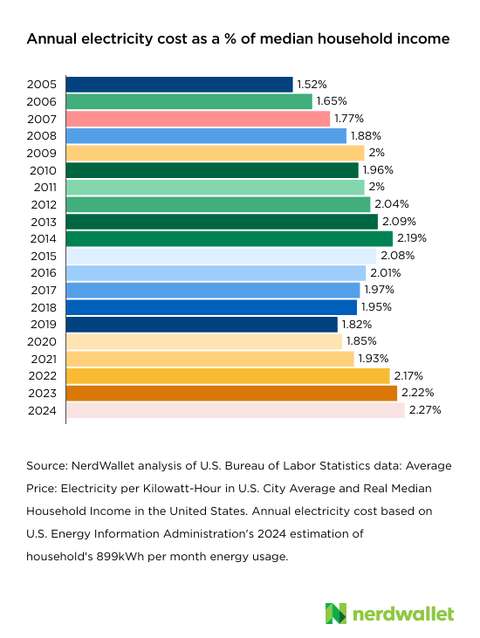
The implications for consumers are significant. From 2021 to 2025, the average monthly residential electric bill is projected to rise from $121 to an estimated $156, according to NEADA. This increase, albeit a small percentage of overall household income, may push financially vulnerable families deeper into hardship. Notably, power disconnections have surged, with states like Pennsylvania experiencing a 21% rise in shutoffs this year.
As these issues gain political traction, the upcoming winter months will likely see heightened debate around energy costs. Both gubernatorial candidates in New Jersey have made energy affordability a cornerstone of their campaigns, reflecting a growing public concern.
Looking ahead, Hua believes that energy affordability will remain a hot-button topic as more Americans rely on electricity for heating. “This issue will become increasingly visible in the next few months, merging substantive and political factors into a complex situation for utility costs,” he stated.
In response to the escalating crisis, there are options available for consumers. While homeowners cannot switch providers due to utility monopolies, they can take steps to enhance energy efficiency within their homes. Additionally, low-income households can seek assistance through programs like the Low Income Home Energy Assistance Program (LIHEAP), which has recently had federal funds released to help those in need.
As the winter season approaches, staying informed and proactive about energy usage will be crucial for households facing these rising costs. For those in need of assistance, searching for “energy assistance” in your state could provide much-needed relief during these challenging times.