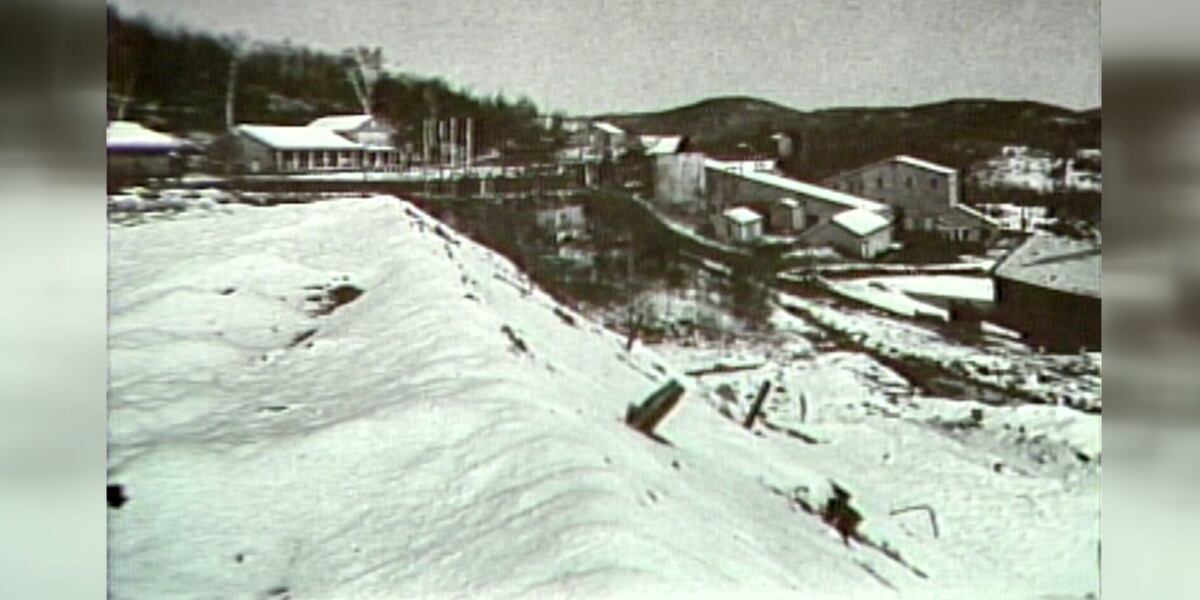
UPDATE: On this day in history, February 12, 1958, the Elizabeth Mine in Stafford, Vermont, officially closed its doors, marking a critical juncture in environmental management. The closure followed years of health concerns and pollution linked to the mine’s operations, which had produced over 8 million pounds of copper since its discovery in 1793.
The Elizabeth Mine, named after the wife of one of the founding brothers, is now recognized for its long-lasting impact on the region’s environment. Authorities confirmed that its operations raised significant alarms about health risks and toxic contamination, leading to its designation as an EPA Superfund site.
The cleanup process for the Elizabeth Mine was extensive and complex, with full remediation efforts not concluding until 2025. This lengthy timeline underscores the ongoing challenges posed by mining operations and their environmental footprints.
Residents and environmental advocates reflect on the mine’s legacy, emphasizing the importance of rigorous environmental oversight. The repercussions of its closure continue to resonate, serving as a stark reminder of the need to prioritize community health and ecological integrity.
As we acknowledge this pivotal moment in history, it is essential to consider the lessons learned and the future of environmental policies in mining practices. The Elizabeth Mine stands as a testament to the balance between industrial activity and environmental stewardship, urging society to remain vigilant in safeguarding natural resources.
For those interested in environmental history and its implications today, this anniversary serves as a crucial reminder of the long-term impacts of industrial activities on local communities and ecosystems.