UPDATE: European leaders are gearing up to deploy their economic “trade bazooka” against the United States as tensions escalate over President Trump’s controversial bid for Greenland. The European Union (EU) is set to discuss potential retaliatory measures this Thursday, following a series of American tariff threats targeting multiple European nations including Britain, Denmark, and Germany.
The friction stems from Trump’s aggressive pursuit of Greenland, which he insists is vital for U.S. national security. This has triggered a unified response from EU leaders who are considering the activation of an Anti-Coercion Instrument. This powerful economic tool is designed to shield EU nations from perceived coercion, and if enacted, would impose significant restrictions on American companies, including barring them from competing for certain government contracts.
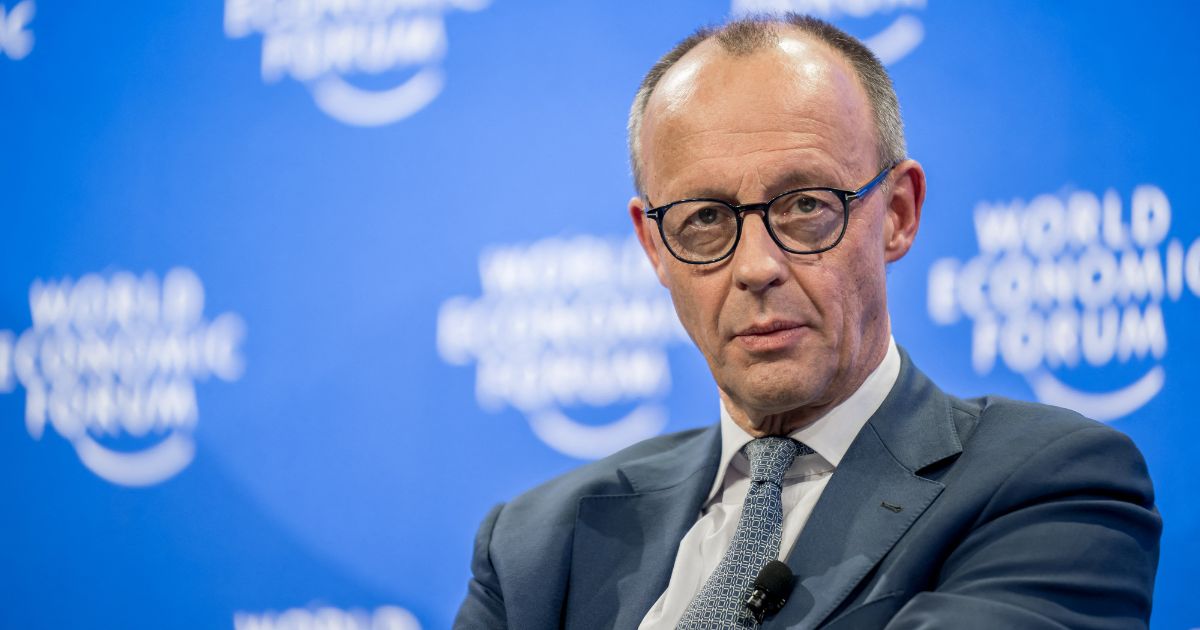
In a stark warning, German Chancellor Friedrich Merz stated, “We have a set of instruments at our disposal, and we agree that we do not want to use them. But if we have to use them, then we will.” French President Emmanuel Macron has echoed this sentiment, indicating strong support for taking action against U.S. policies.
The stakes are high, as the approval of 15 EU nations is required to implement these measures. The EU’s internal rules necessitate a thorough investigation that could take up to four months before any actual punitive actions could be roll out. However, the timeline for a response is uncertain, given the complexities of international trade negotiations.
On Wednesday, European Parliament members moved to block a proposed U.S.-European trade deal, a reaction to Trump’s tariff comments that some lawmakers view as a direct breach of agreements. Bernd Lange, chair of Parliament’s trade committee, remarked, “Until the threats are over, there will be no possibility for compromise.” This decisive action raises questions about the future of transatlantic trade relations.
Meanwhile, during remarks at the World Economic Forum in Davos, Trump reaffirmed his commitment to acquiring Greenland, saying, “It’s very important that we use that for national and international security.” His insistence on the strategic value of Greenland has only intensified the EU’s resolve to counteract U.S. pressure.
As EU leaders convene to deliberate their next steps, the global community watches closely. The implications of this escalating trade conflict could have far-reaching effects on international markets and diplomatic relations.
Stay tuned for more updates on this developing situation as EU leaders prepare to respond to U.S. actions that they view as coercive. The outcome of Thursday’s discussions could reshape the future of U.S.-EU trade relations.