BREAKING: A federal judge has just announced plans to temporarily block the Trump administration’s move to end crucial legal protections for over 10,000 family members of U.S. citizens and green card holders. This decision comes as U.S. District Judge Indira Talwani expressed her intent during a hearing in Boston on January 8, 2026.
The program in question, known as Family Reunification Parole (FRP), has provided temporary legal status to vulnerable individuals from countries including Colombia, Cuba, Ecuador, El Salvador, Guatemala, Haiti, and Honduras. These protections, initiated during the Biden administration, are set to expire by January 14 unless the judge’s ruling intervenes.
During the hearing, Judge Talwani indicated her plans to issue a temporary restraining order but did not specify a timeline. The move follows a broader initiative by the Trump administration aimed at dismantling temporary protections for numerous immigrant groups, putting them at risk of deportation.
Justin Cox, an attorney with the Justice Action Center, highlighted the inequity faced by those affected: “The government, having invited people to apply, is now laying traps between those people and getting the green card.” His remarks underscore the emotional turmoil faced by families who believed they were building new lives in the U.S.
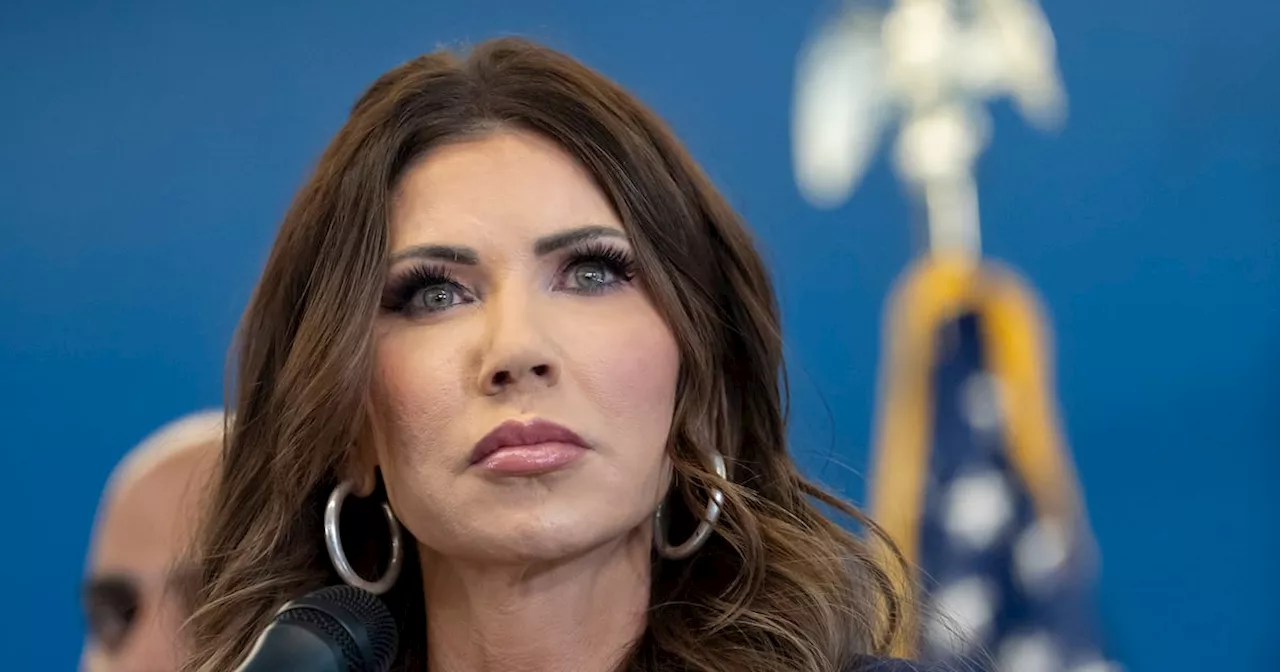
While the government argues that Homeland Security Secretary Kristi Noem has the authority to terminate the FRP program, Judge Talwani raised concerns about the adequacy of notifications issued to those affected. “I understand why plaintiffs feel like they came here and made all these plans and were going to be here for a very long time,” she stated, reflecting on the human impact of this legal battle.
The Trump administration maintains that the termination is justified on national security grounds, asserting that the individuals within the FRP program were not properly vetted. They contend that resources for this program would be better allocated to other immigration priorities. However, Judge Talwani challenged this reasoning, seeking evidence of proper notifications sent to those impacted.
As this legal battle unfolds, it could set a significant precedent for the future of immigration policy in the United States. The case involves five plaintiffs, but lawyers are pushing for a ruling that would encompass all participants in the FRP program, potentially affecting thousands more.
With lower courts previously supporting the extension of temporary protections, the stakes are incredibly high. The outcome of this case could influence nearly 1 million individuals currently facing uncertain futures due to recent rulings by the Supreme Court.
The situation is developing rapidly. As legal teams prepare for the next steps, affected families and advocates are anxiously awaiting the judge’s formal ruling. This latest development not only affects those fighting for their right to remain in the U.S. but also resonates with broader discussions on immigration policy and human rights.
Stay tuned for updates as this story continues to evolve.