UPDATE: Florida’s elected officials are taking a stand against President Donald Trump’s newly announced plan to expand offshore oil drilling along the nation’s coasts, with strong opposition emerging particularly from the eastern Gulf. This urgent response comes as lawmakers express deep concerns over the environmental and economic implications of such drilling, which could threaten Florida’s vital tourism industry.
Authorities confirm that even some Republican leaders, traditionally loyal to Trump, are voicing their apprehensions. Rep. Vern Buchanan (R-Fla.) stated, “It affects tourism and more importantly, it’s just bad for the environment.” Additionally, Sen. Ashley Moody (R-Fla.) labeled the plan “HIGHLY concerning,” highlighting the potential risks of oil spills that could devastate Florida’s beaches and wildlife.
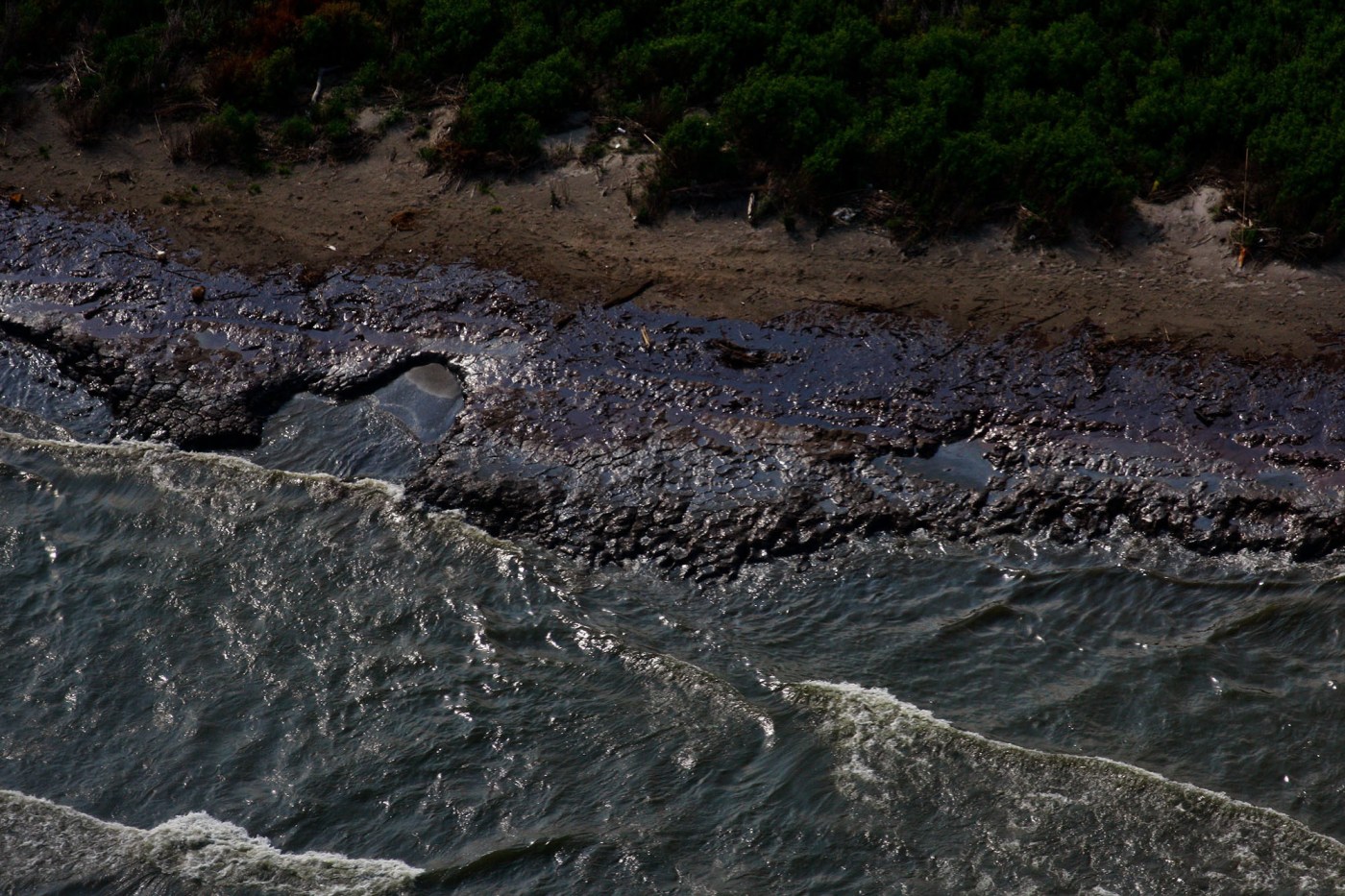
Florida’s coastline is not only an ecological treasure but also an economic engine, with millions depending on tourism. The threat posed by oil drilling is not just hypothetical; the catastrophic 2010 BP Deepwater Horizon disaster, which occurred over a hundred miles from Pensacola, saw oil wash ashore, leading to more than $3 billion in damages and a significant blow to the state’s economy.
As the Gulf remains dotted with oil rigs, the section closest to Florida has never had producing wells, but the specter of drilling looms large. “We cannot afford to draw arbitrary boundaries,” warned environmental advocate Elise Bennett, Florida and Caribbean director at the Center for Biological Diversity. “We need to address drilling everywhere, not just when it gets close to home.”
Florida is already grappling with severe climate impacts, including extreme heatwaves and marine heatwaves that are decimating vital coral species. In October, two critical coral species, elkhorn and staghorn, were declared “functionally extinct” in the Florida Keys, further endangering marine ecosystems and the communities that rely on them.
“Healthy reefs are essential not only for biodiversity but also for protecting our coasts from flooding and storm damage,” Bennett added. The threat of worsening storms as a result of climate change underscores the need for immediate action. Florida experienced a mild hurricane season in 2025, but past storms like Helene and Milton remind residents of the increasing intensity of weather events fueled by warming waters.
Sunny-day flooding in Miami continues to escalate, necessitating costly repairs and adaptations. The mounting challenges highlight the urgent need to transition from fossil fuels to renewable energy solutions. Florida’s lawmakers are right to oppose drilling off their coast, but this resistance must extend beyond state lines. They must advocate against expanded offshore drilling in all U.S. waters, including Alaska and California, and challenge Trump’s aggressive fossil fuel agenda.
The time for action is now. Florida cannot afford to navigate this crisis alone or allow short-term political interests to overshadow the fight for a sustainable future. The citizens of Florida, their economy, and the environment depend on decisive leadership to protect their coastlines and combat climate change effectively.
As this situation develops, all eyes will be on Florida’s leaders to see if they can unite against this pressing threat. The stakes couldn’t be higher for the state and its future.