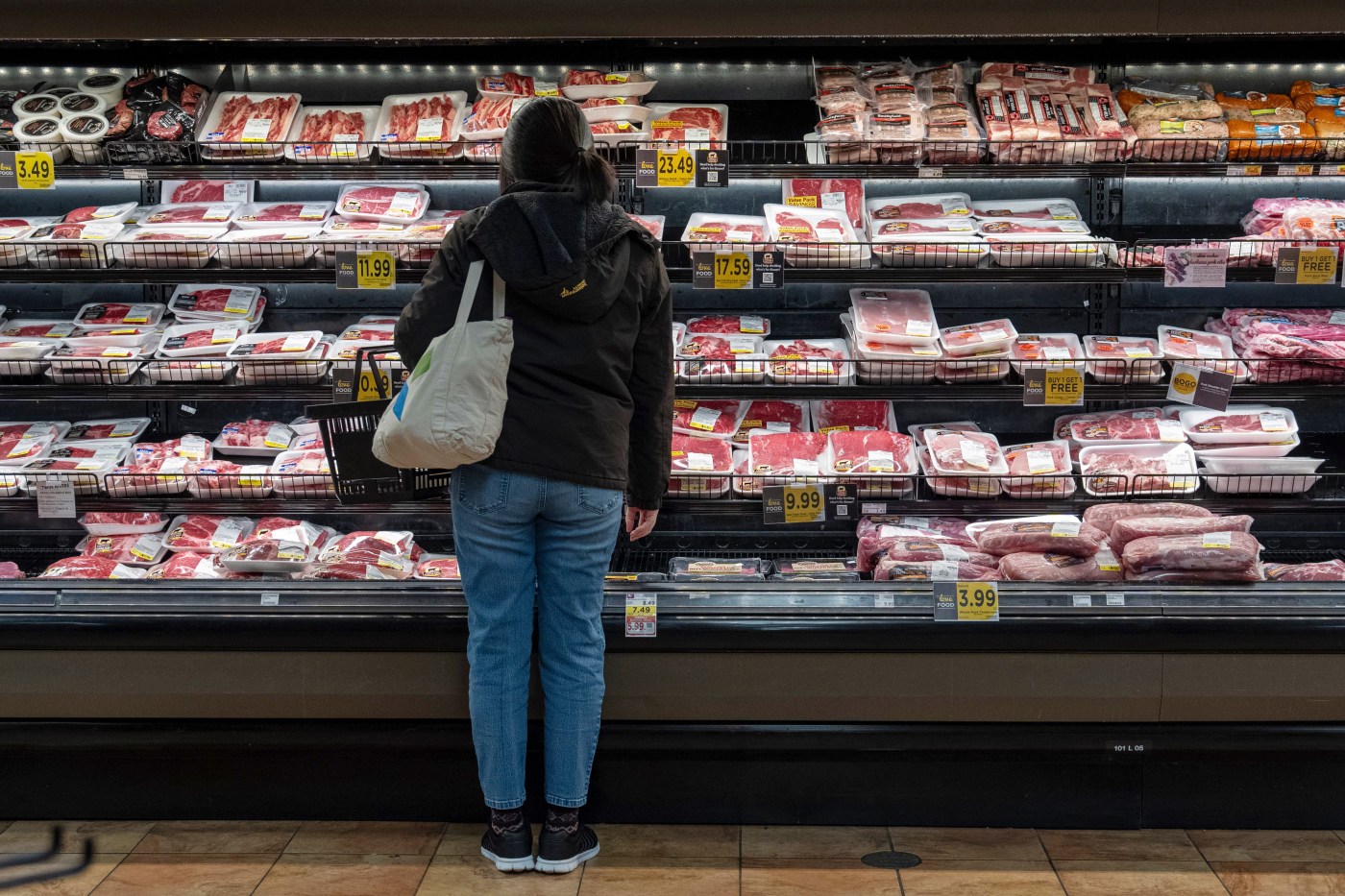
UPDATE: Food prices have surged by 3.1% as gas prices plummeted 5.5%, according to the latest consumer price report from the U.S. Bureau of Labor Statistics. This alarming shift in consumer expenses is making headlines as inflation continues to rise, impacting everyday Americans’ wallets.
The report, released just last week, reveals that consumer costs rose 0.3% from November to December 2024, pushing overall inflation up by 2.7% year-over-year. While many households are grappling with higher grocery bills, the price of gasoline saw a significant decrease, providing some relief at the pump.
Key grocery items have all seen price hikes, with staples like milk, bread, and ground beef rising in cost. The average price of a dozen large Grade A eggs has fallen to $2.71, down 15 cents from November, largely due to fewer bird flu cases affecting egg-laying hens. This represents a dramatic 35% drop compared to last year.
Meanwhile, milk prices have edged up to $4.05 per gallon, a slight increase of 5 cents. Bread prices followed suit, with white bread now averaging $1.83 per pound, reflecting a 10 cent decrease compared to late 2024.
In an ironic twist, while everyday food costs are climbing, gasoline prices have fallen to an average of $3.05 per gallon, marking a 18 cent decline from the previous month. This is a stark contrast to the inflationary trends seen in grocery items, highlighting a mixed economic landscape.
The decline in gas prices is being touted by officials as a success story, with President Donald Trump emphasizing the administration’s efforts to bring costs down. December marked the first time in over two years that the average price at the pump has decreased significantly, with 43 states now reporting averages below $3.
However, this decrease in gas prices does not mitigate the growing concerns over rising grocery bills. The Tribune is actively tracking 11 essential commodities, including eggs, milk, and electricity, providing monthly updates based on the latest CPI data.
Electricity costs continue to hover near record highs, averaging 19 cents per kilowatt-hour. As the demand for energy rises, particularly from data centers, households are feeling the pinch, with monthly bills averaging around $170 for an average usage of 899 kWh.
Looking ahead, consumers are urged to watch how these trends evolve as the new year progresses. With the ongoing adjustments in tariffs and agricultural policies, the grocery landscape could shift even further.
Stay informed as we continue to track these critical developments in consumer expenses, ensuring you have the latest updates on your everyday costs.