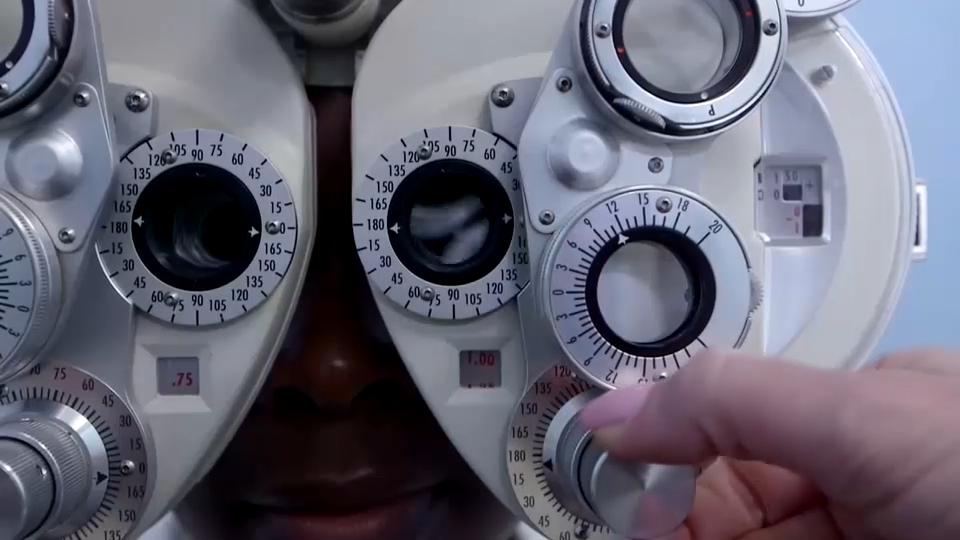
Research from the SUNY College of Optometry indicates that the increasing prevalence of nearsightedness, or myopia, worldwide may be less about screen time and more related to a lack of natural light exposure. The findings suggest that prolonged periods of close-up focus indoors can lead to pupils constricting, which in turn reduces the amount of light reaching the retina. This limited stimulation may be a significant factor driving the rise in nearsightedness.
According to Dr. Jose-Manuel Alonso, a leading researcher in the study, this condition has escalated rapidly and brings serious health implications. Individuals affected by myopia are at an increased risk for complications such as retinal detachment and retinal degeneration. Alarmingly, nearly half of young adults in both the United States and Europe are now experiencing some degree of nearsightedness.
Impact of Indoor Environments on Eye Health
The concept of “light starvation” highlights how modern lifestyles, characterized by extended indoor activities, can negatively impact vision. With people spending more time engaged in close-up tasks—like reading or using electronic devices—the eyes are often deprived of the broader spectrum of light necessary for healthy vision.
To mitigate these effects, experts recommend several practical strategies. Reading near a window when possible can enhance exposure to natural light, while taking regular breaks from screens is crucial. Additionally, maintaining a distance of at least an arm’s length from phones and other devices can help reduce the strain on the eyes.
As the rates of myopia continue to rise globally, the findings from this study underscore the need for increased awareness and proactive measures to protect eye health. It is essential for individuals to be mindful of their environments and the potential impact on their vision, especially in an age where indoor activities are ubiquitous.
With the prevalence of myopia on the rise, proactive steps can make a significant difference in preserving eye health for future generations.