Urgent Update: House Republicans are racing against the clock to finalize a health care plan before the December 31 deadline, when crucial subsidies for the Affordable Care Act (ACA) are set to expire. With millions of Americans facing skyrocketing insurance premiums in the New Year, party leaders are struggling to reach a consensus on a viable proposal.
House Speaker Mike Johnson, R-La., is under immense pressure from conservatives to present a plan that does not extend the ACA subsidies but instead allocates funds to help Americans manage health care costs. As the clock ticks down, Republicans with difficult midterm elections on the horizon insist that any health care legislation must secure bipartisan support and extend the subsidies to protect vulnerable members of their party.
“The consensus is we need to come up with something,” said Rep. Ralph Norman, R-S.C., following a closed-door meeting of Republican lawmakers. Inside the room, Rep. Jim Jordan, R-Ohio, warned that failing to include ACA funding could lead moderates to collaborate with Democrats, potentially passing a bill that offers even less to conservatives.
Johnson has committed to holding a vote on a GOP plan next week, just before lawmakers head into a two-week recess. Among the proposals discussed was an expansion of health savings accounts and funding for cost-sharing reductions, which Johnson described as “low-hanging fruit.” However, the lack of agreement on a comprehensive overhaul of the ACA raises concerns about the party’s capacity to act swiftly.
“Health care is unbelievably complicated,” remarked Rep. Dusty Johnson, R-S.D. “You’re not going to reform and bring down costs overnight.” Meanwhile, fifteen centrist Republicans, including Reps. Jen Kiggans, R-Va., and Josh Gottheimer, D-N.J., have backed a bipartisan framework proposing a two-year extension of the ACA subsidies with revised conditions.
Despite this push, a significant faction within the GOP remains opposed to any extension of ACA funding. Johnson is siding with the majority who reject the subsidies, a stance that could alienate more moderate members facing re-election in 2024. Some members of the party are beginning to express concern over leadership’s willingness to let the subsidies lapse, which could jeopardize their chances in the upcoming midterms.
“To me, the game plan is get on your knees and pray… Letting the subsidies lapse is not an option,” said Rep. Jeff Van Drew, R-N.J., highlighting the urgency of the situation for vulnerable Republicans.
With the December 31 deadline looming, the prospect of a discharge petition—requiring a majority of 218 signatures to force a vote on the floor—remains a contentious topic. A successful petition would need support from both Republicans and Democrats, complicating the path forward for GOP leadership.
As tensions rise, Rep. Brian Fitzpatrick, R-Pa., has introduced a plan that includes ACA subsidy extensions and additional reforms. Fitzpatrick, who warns of the dire consequences of failing to act, is also contemplating a discharge petition if the leadership does not move quickly.
“If you’re a conservative and you’re a Republican, do you want a Democrat majority next year? That doesn’t make sense. Let’s not be self-destructive,” Van Drew cautioned, emphasizing the stakes involved for the party’s future.
Even if the House manages to pass a plan, the Senate’s approval remains uncertain. Democratic leaders are pressing Republicans to act swiftly to prevent potential fallout from rising premiums that could affect millions.
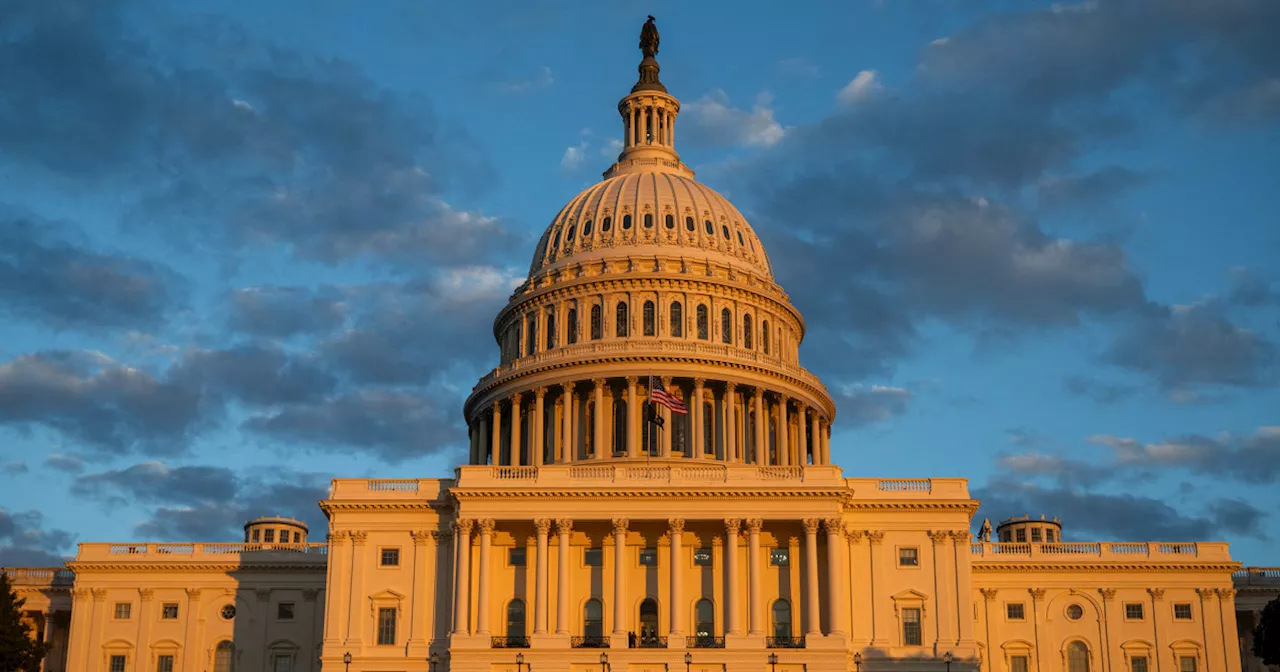
As the situation develops, all eyes are on Capitol Hill. The coming days will be critical in determining whether House Republicans can unite behind a plan that addresses the urgent needs of American families or if they will let this opportunity slip away.