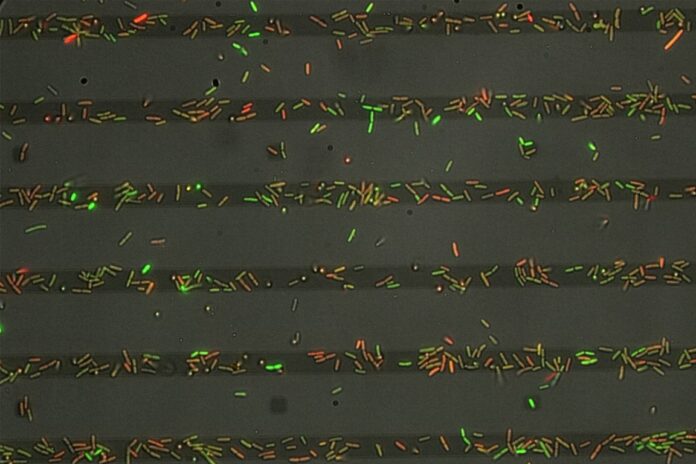
Research from King’s College London has unveiled a significant connection between an immune protein and bone health. The study, published in the Proceedings of the National Academy of Sciences, identifies collectin-11 as a key player in the maintenance and remodeling of bones. This discovery highlights the protein’s dual role: not only does it protect the body against infections, but it also supports the normal functioning of bone cells.
The study reveals that collectin-11 is vital for the formation and activity of osteoclasts. These specialized cells are essential for breaking down old or damaged bone, allowing for the regeneration of new bone tissue. This process of bone remodeling is crucial for maintaining overall skeletal health and preventing disorders such as osteoporosis.
Researchers conducted a series of experiments to investigate the role of collectin-11 in bone remodeling. By observing both healthy and deficient models, they found that the absence of this protein significantly impaired the function of osteoclasts. The findings suggest that collectin-11 facilitates the communication between immune responses and bone maintenance, indicating a complex interplay between the immune system and skeletal health.
Implications for Bone Health and Disease Prevention
Understanding the role of collectin-11 could have far-reaching implications for bone health. The findings suggest that enhancing the activity of this immune protein might offer new therapeutic strategies for treating bone-related diseases. Conditions such as osteoporosis, which affects millions globally, could potentially be managed more effectively through targeted therapies that bolster the body’s natural bone remodeling processes.
Researchers emphasized the importance of these findings in the context of aging populations, where bone density diminishes, leading to increased fracture risk. As aging is associated with reduced osteoclast function, the study points to the possibility that maintaining collectin-11 levels might help mitigate some of the risks associated with bone degeneration.
The research team at King’s College London plans to further explore the mechanisms through which collectin-11 influences osteoclast activity. Future studies may provide deeper insights into how this immune protein can be harnessed to improve bone health in various demographics, particularly in older adults.
As the scientific community continues to unravel the connections between the immune system and skeletal health, this research underscores the potential for innovative approaches to prevent and treat bone diseases. The findings serve as a reminder of the intricate relationships within the human body and the importance of interdisciplinary research in uncovering new health solutions.