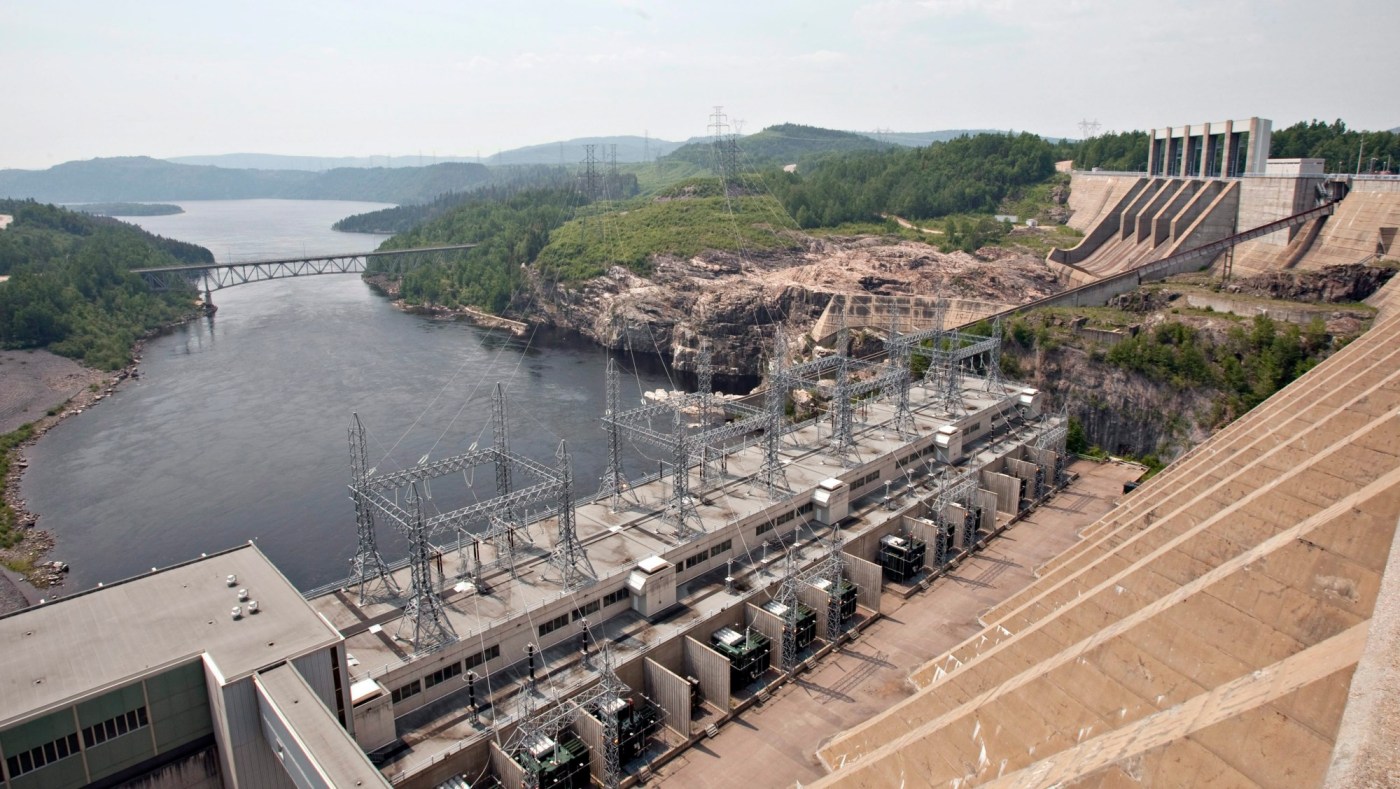
UPDATE: Massachusetts is bracing for a potential energy crisis as the promised hydro-powered electricity from Quebec faces uncertainty. Residents are reporting that skyrocketing energy bills have become a significant strain on their household budgets, with over 20% of respondents in a recent Suffolk University poll identifying utility bills as their largest financial burden.
The long-anticipated New England Energy Connect (NECEC) project, which aims to deliver 1,200 megawatts of hydropower from Quebec over the next 20 years, is now at a critical juncture. While state officials tout the project as a solution to energy bill sticker shock, doubts are rising about its reliability amidst ongoing drought conditions in Quebec, which have significantly impacted hydropower production.
Originally initiated in 2017 under former Governor Charlie Baker, the NECEC project has encountered years of regulatory hurdles and cost overruns, ballooning from an estimated $1 billion to approximately $1.6 billion. State officials project the project will generate around $3 billion in net benefits for energy customers and reduce ratepayer bills by about $50 million annually. However, individual savings are projected to be as little as $18 to $20 per customer each year.
The environmental benefits are substantial, with Avangrid, the company behind NECEC, estimating a reduction in carbon emissions by 3.6 million metric tons annually, equivalent to removing 700,000 cars from the road. Yet, these optimistic forecasts hinge on Quebec’s ability to produce sufficient hydropower, a situation now complicated by severe drought affecting 86% of Canada’s Central Region, including Quebec.
In a troubling twist, the existing Phase II power line between New England and Quebec has recently been exporting energy to Quebec instead of importing, as Quebec’s water supplies dwindle amid prolonged dry conditions. Experts warn that if this trend continues, Canadian customers may take priority over Massachusetts residents, potentially leaving New England with even less power than expected from NECEC.
Dan Dolan, president of the New England Power Generators Association, states that concerns over Quebec’s electricity supply have become a reality, with imported electricity from Canada peaking in 2017 and declining since. The situation raises critical questions about the reliability of hydropower as climate change continues to impact regional weather patterns.
As Massachusetts legislators push for clean energy solutions, the reality of the NECEC project may not deliver the anticipated relief for ratepayers. The irony is not lost on critics, who argue that those advocating for hydropower from Quebec failed to account for the potential impacts of climate change on energy supply.
With the NECEC finally coming to fruition after nearly nine years of development, residents are left wondering if the promised benefits will materialize or if they will continue to face budget-breaking energy costs. As the situation develops, Massachusetts residents are urged to stay informed about their energy options and the potential impact on their bills.
As this story unfolds, the implications for Massachusetts households are profound. The delicate balance between environmental sustainability and energy reliability is now under scrutiny as residents await clarity on their energy future.