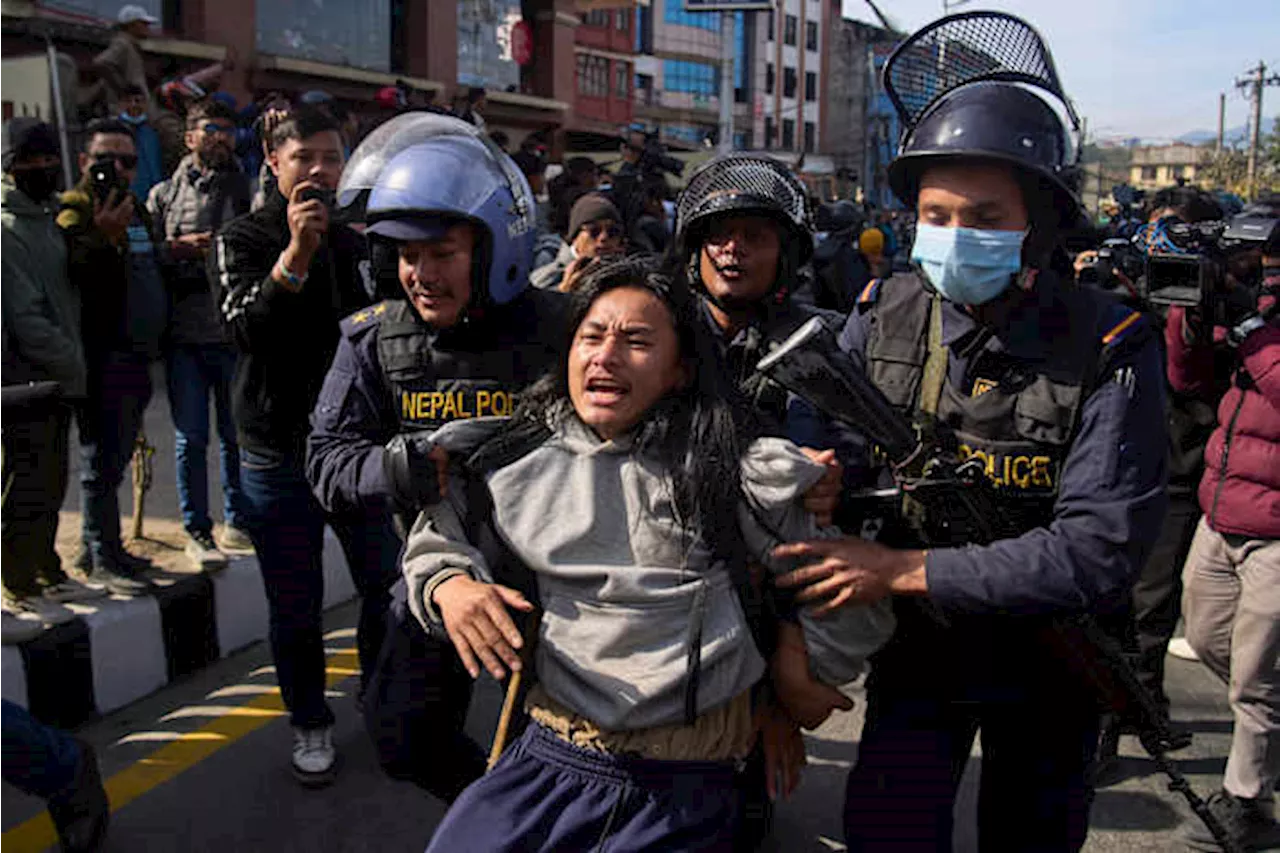
UPDATE: Protests in Nepal are escalating as citizens express mounting frustration over the interim government’s failure to deliver on promises made after the violent demonstrations that began in September 2023. With 76 deaths and over 2,300 injuries reported, the unrest sparked by social media restrictions and corruption allegations has left many feeling betrayed.
The protests initially aimed to combat corruption and demand accountability, but the newly appointed government, established on September 12, has not met the demands of the youth-led movement. Activists, particularly from Generation Z, are returning to the streets to voice their anger and disappointment, as they feel their sacrifices have gone unrecognized.
Mukesh Awasti, a 22-year-old protester who lost his leg due to police violence, shared his disillusionment, stating, “There has been no significant change, and those responsible for the violence remain unpunished.” Many like Awasti are questioning their involvement amid the perceived inaction of the government.
The protests erupted after a ban on social media led to clashes with police, attempts to breach parliament, and widespread civil unrest, including the burning of government buildings. The army’s intervention was necessary to restore order, but despite new leadership, the root issues remain unresolved.
Authorities are now facing criticism as politicians previously accused of corruption prepare to participate in upcoming elections scheduled for March 5, 2024. The lack of legal actions against former leaders has intensified feelings of betrayal among protesters, who demand justice and accountability for the violence they endured.
Suman Bohara, another protester injured during the unrest, emphasized the sense of betrayal, stating, “The government has failed to address our grievances.” As protesters’ demands have diversified—calling for changes including direct elections of prime ministers and constitutional revisions—the absence of a unified leadership has hampered progress.
With the election date approaching, analysts suggest the interim government’s promise of smooth elections is overshadowed by the unresolved tensions. The existing security environment remains unstable, complicating the path forward.
The ongoing demonstrations are a stark reminder of the unmet expectations and the struggle for justice in Nepal. Protesters are united in their frustrations over the government’s failure to fulfill its commitments, with many expressing anger over the lack of progress since the September protests.
As the situation develops, it is clear that the upcoming elections will be pivotal not only for the government but for the future of the protesters and the nation as a whole. The road to stability in Nepal is fraught with challenges, as the atmosphere remains charged with demands for accountability and reform.
Citizens are urged to stay informed as the situation evolves, with many eager for change. This unfolding crisis highlights the urgent need for the government to address the concerns of its people and restore faith in democratic processes.