URGENT UPDATE: Newly uncovered school records from the Corning area reveal fascinating insights into the lives of students from the late 1920s to mid-1930s. These ledgers, recently found in local archives, provide a unique glimpse into the academic and social dynamics of that era, shedding light on both educational practices and personal anecdotes that resonate today.
The ledgers contain details such as school names, teacher evaluations, and student photographs, offering a rich historical context. Among the notable findings are teacher remarks on students, with names altered for privacy. For instance, one teacher described Joyce as “an outstanding leader in academic work” while remarking on Mabel‘s need for encouragement due to her mental health challenges, reflecting the educational attitudes of the time.
The records highlight the diverse experiences of students, with comments ranging from academic struggles to personality traits. Walter, for example, was promoted through grades at his mother’s insistence despite not meeting academic standards, illustrating how social dynamics often influenced educational decisions.
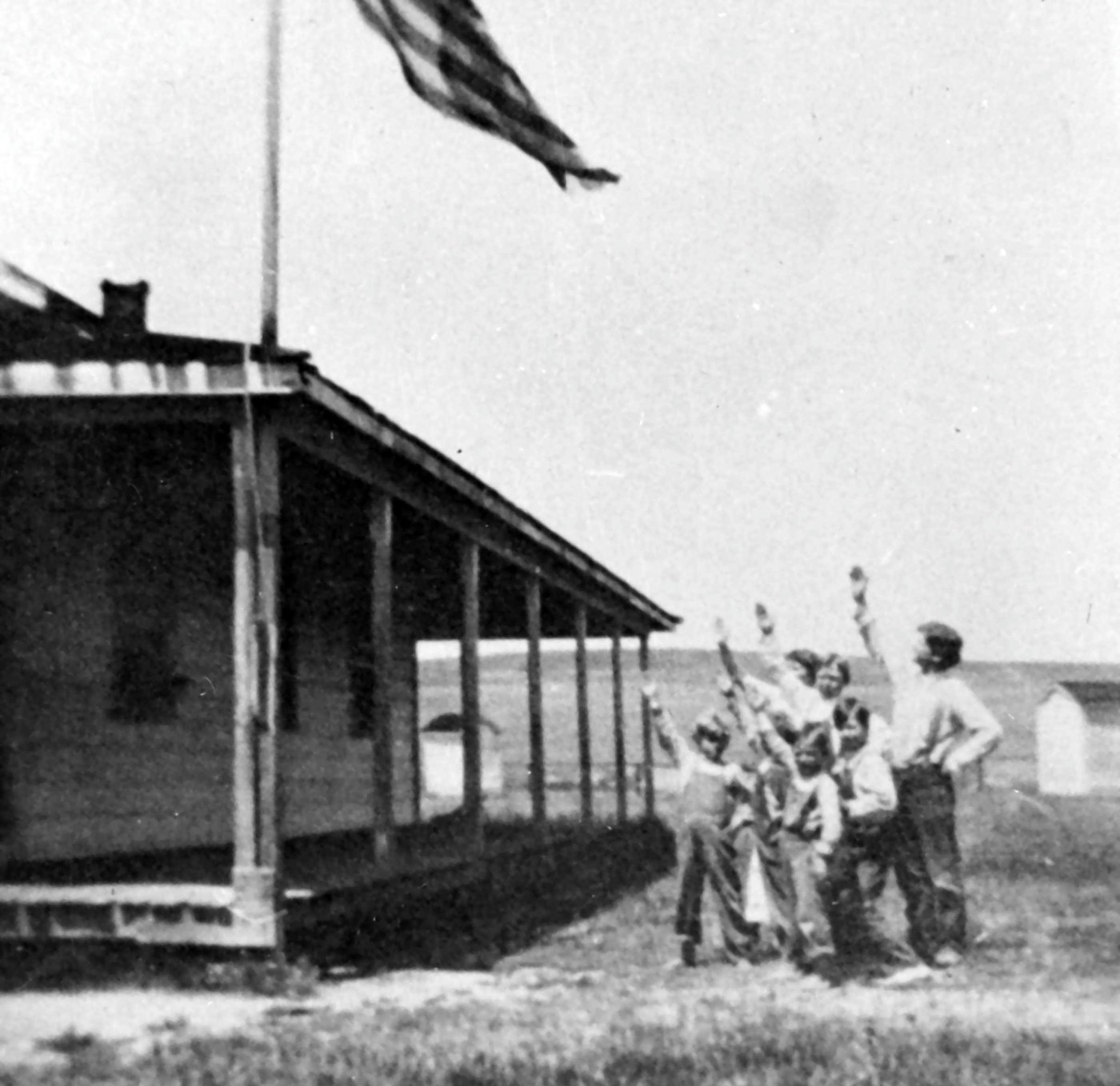
A photograph from Elkhorn school captures students saluting the flag using the Bellamy Salute, a practice instituted by Francis Bellamy in 1892. This salute, once common in American schools, was later replaced by the hand-over-heart gesture during World War II due to its resemblance to the Nazi salute.
Local resident John Bedford shared humorous and nostalgic memories of his school days, including tales of mischief like smoking horse manure to evade punishment. His anecdotes highlight the playful spirit of childhood in a rural setting, echoing the sentiments of many who grew up in similar environments.
These revelations not only uncover educational history but also illuminate the societal values and challenges faced by children nearly a century ago. The records paint a vivid picture of a time when education was closely tied to community and personal development.
As historians and local educators delve into these records, it is crucial to understand their impact on current educational discussions. How we assess and nurture students today continues to evolve, and these historical insights may provide valuable lessons moving forward.
Stay tuned for more updates as historians and educational experts analyze these records further, revealing more about the past and its relevance to today’s educational landscape.