UPDATE: New reports from the American Association of Retired Persons (AARP) reveal a troubling trend: more New Yorkers are unretiring as financial pressures mount. As the cost of living rises and some investments falter, many individuals over age 55 are forced to reconsider their retirement plans and head back to work.
According to AARP, an estimated 38 million Americans aged 55 and older are currently part of the workforce. But a significant number are now feeling compelled to return to employment, with 7% of retirees rejoining the labor force in just the last six months, up from 6% earlier in 2025. The driving force? A staggering 48% say they need the money.
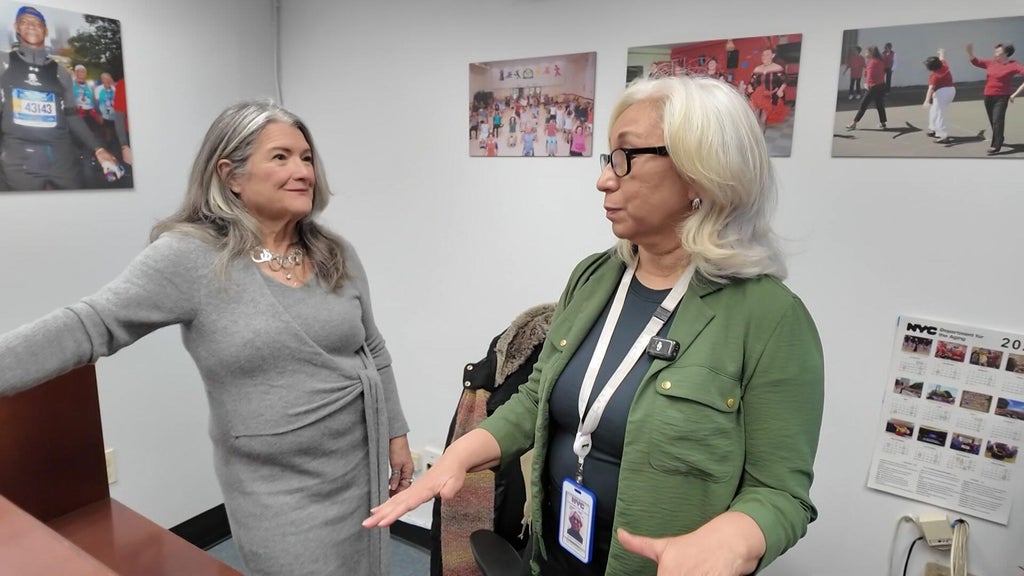
Maria Fischer, a former social worker turned airline counter representative at LaGuardia Airport, exemplifies this shift. After facing unemployment during the COVID pandemic, she found her current role as a special projects coordinator through the Silver Star Program at the New York City Department for the Aging. “I was searching for a job and nobody called me,” Fischer recalled. “I thought maybe nobody calls me because of my age.” This program helped her enhance her resume and computer skills, allowing her to re-enter the job market.
Lorraine Cortez-Vasquez, commissioner of the Department for the Aging, notes an increase in older residents returning to work. “The financial stresses are getting larger,” she stated. “Your 401(k) might not be as robust as you had planned.” This sentiment resonates with many New Yorkers who are eager to maintain their financial stability and remain active.
Looking ahead, AARP’s survey indicates that this trend could continue into 2026, as more retirees reassess their financial situations. Fischer, for example, has no plans to retire again anytime soon. “I need the money. Of course, everybody needs the money. I need to do something. I need to be active,” she emphasized.
For those seeking to re-enter the workforce, Cortez-Vasquez advises exploring job opportunities in sectors such as healthcare, government, and retail. “You may have been a teacher. But now you want to work in a museum or now you want to work in the city store,” she added.
Carly Roszkowski, vice president of financial resilience programming for AARP, encourages job seekers to leverage their networks. “Tell your friends and neighbors that you might be looking for a new opportunity,” she urged. “Just stay positive.” This advice resonates as older workers seek to regain financial footing while remaining engaged in their communities.
As this urgent situation unfolds, many New Yorkers are grappling with the realities of unretirement. The emotional impact is profound, as individuals like Fischer and countless others strive for a brighter financial future. This growing trend is not just a statistic; it represents a shift in how older generations are approaching their retirement years, a story that continues to develop.
Stay tuned for more updates as the situation evolves and more individuals navigate their paths back into the workforce.