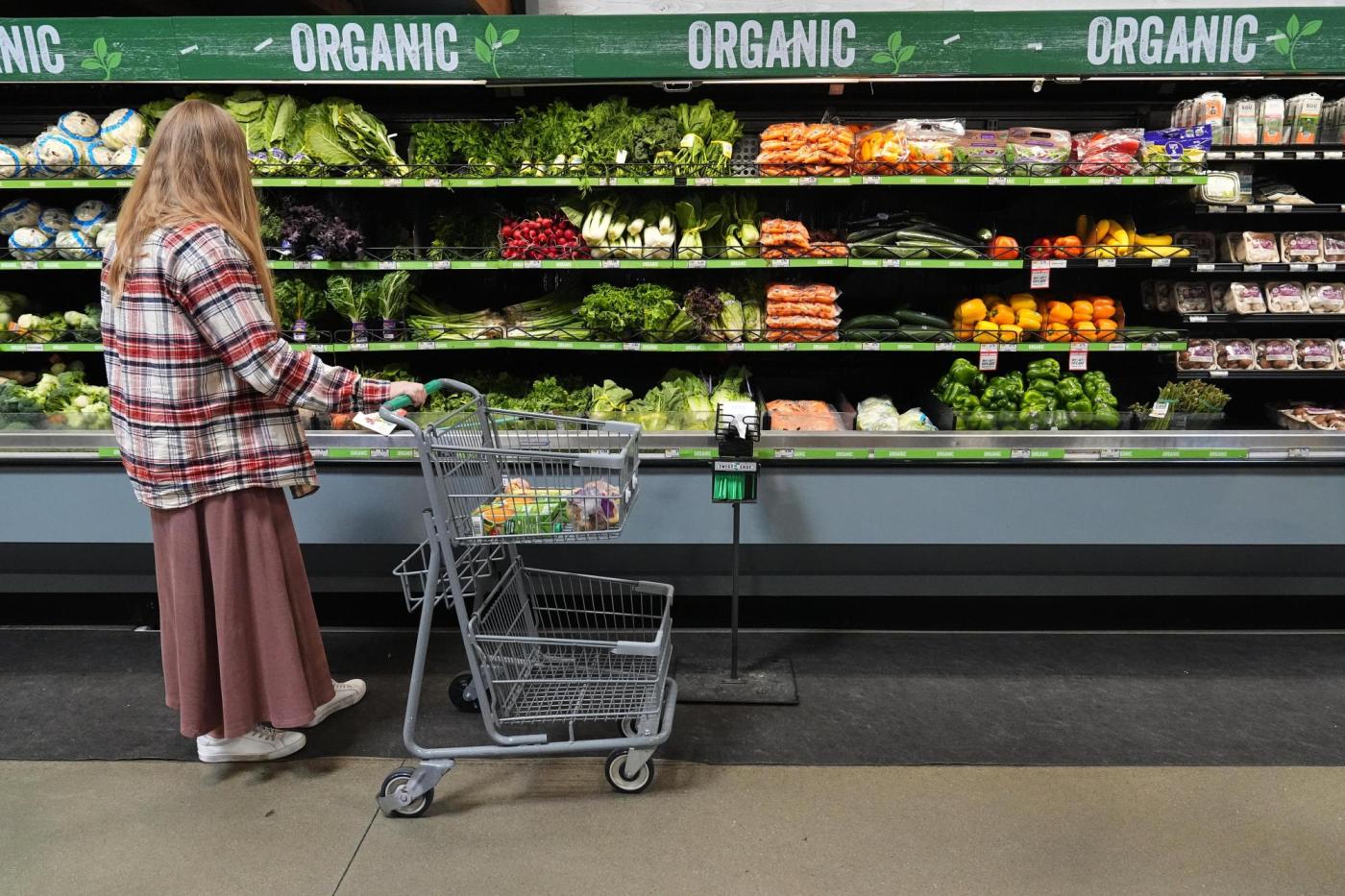
BREAKING: A new grocery store has officially opened in Lynwood, California, marking a significant development in the fight against food deserts. This initiative, backed by $5.1 million in state funding, aims to provide fresh food options for a community historically lacking access to nutritious groceries.
Just announced today, the grand opening ceremony was attended by local leaders who celebrated this step towards addressing food insecurity in the area. The store, built on a previously vacant gas station site, is the latest effort as part of LA County’s broader strategy to combat food deserts through the Food Equity Fund, which has distributed $20 million since 2024 to support similar projects.
The concept of food deserts highlights the disparity in access to healthy food, particularly in low-income neighborhoods. According to the FDA, a food desert is defined as a region where at least 500 people or 33% of the population lives more than one mile from a supermarket, coupled with a poverty rate of 20% or higher. Advocates argue that by providing grocery stores in these areas, residents can have better access to healthier food options.
However, significant questions remain about the effectiveness of simply opening new grocery stores. Research from NYU indicates that despite federal and local governments investing hundreds of millions, including recent initiatives to fund supermarkets in food deserts, the health outcomes for low-income communities have not markedly improved.
The funding for the new store comes on the heels of Governor Gavin Newsom‘s veto of Senate Bill 1419, which aimed to expand grants for grocery stores in food deserts. Meanwhile, officials like New York City mayor-elect Zohran Mamdani advocate for government-run grocery stores to offer affordable, healthy food options in urban areas facing similar challenges.
Critics argue that the notion of food deserts oversimplifies a more complex social issue. Reports funded by the USDA reveal that the average recipient of the Supplemental Nutrition Assistance Program (SNAP) lives only 1.96 miles from a supermarket, often traveling further to reach preferred stores. This behavior suggests that access is not the sole barrier to healthier eating.
As federal and local governments continue to allocate funds towards creating grocery stores, experts urge a shift in focus. Early childhood nutrition education and outreach programs may provide a more effective means to combat poor health outcomes linked to nutrition, addressing the root causes of food insecurity.
The opening of the Lynwood grocery store is a developing story that reflects ongoing efforts to tackle food access issues in America. As communities respond to these initiatives, the effectiveness of such interventions will be closely monitored.
For updates on this story and further developments in the fight against food deserts, stay tuned.