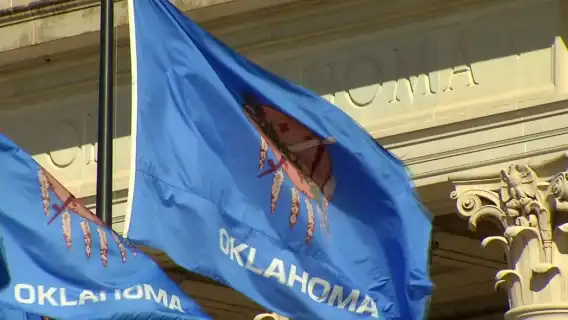
BREAKING: The Oklahoma Attorney General’s Office has just announced a landmark settlement with Tyson Foods and Cargill, resolving a long-standing poultry pollution case that has spanned over two decades. Attorney General Gentner Drummond confirmed the deal on November 2, 2023, marking a pivotal victory for environmental protection in the state.
The settlement totals $25.5 million, with Tyson agreeing to pay $19 million for remediation efforts in the Illinois River Watershed, while Cargill will contribute $6.5 million. Drummond emphasized the importance of corporate responsibility, stating, “For over two decades, Oklahoma has fought to protect the Illinois River Watershed and the natural resources that sustain our communities.”
This resolution is expected to provide certainty for local growers and safeguard Oklahoma’s waters for future generations. Tyson’s President of Poultry, Nathan McKay, expressed optimism about the settlement, highlighting the necessity of collaboration between agriculture and environmental stewardship. “We believe this resolution is in the best interest of our growers and their communities,” he stated.
Cargill echoed this sentiment, thanking the Oklahoma Attorney General and local stakeholders for reaching a “fair and reasonable resolution.”
The lawsuit, which accused multiple companies, including Tyson, Cargill, George’s, Simmons, and Cal-Maine, of polluting the Illinois River with poultry waste, has been one of the longest-running environmental cases in Oklahoma history. U.S. District Judge Gregory Frizzell had previously ruled in favor of the state, affirming that pollution in the watershed remains a critical issue.
The implications of this settlement extend beyond environmental concerns. Governor Kevin Stitt has previously warned that continued pressure on poultry companies could drive them out of Oklahoma, endangering local family farms. “When these companies get tired of fighting with the state, you are not destroying a large corporation. You are destroying a family like mine,” said chicken farmer Megan Langley.
The settlement aims to alleviate fears among farmers while ensuring a sustainable poultry industry can thrive alongside clean water initiatives. “Clean water and a thriving poultry industry can and should both exist for the benefit of every Oklahoman,” Drummond asserted.
Moving forward, all eyes will be on how this settlement impacts the local agricultural community and whether further legislative measures will be enacted to protect both the environment and the farming industry. The urgency of these developments cannot be understated as stakeholders across Oklahoma prepare for the next chapter in this ongoing saga.
Stay tuned for more updates as this story continues to develop.