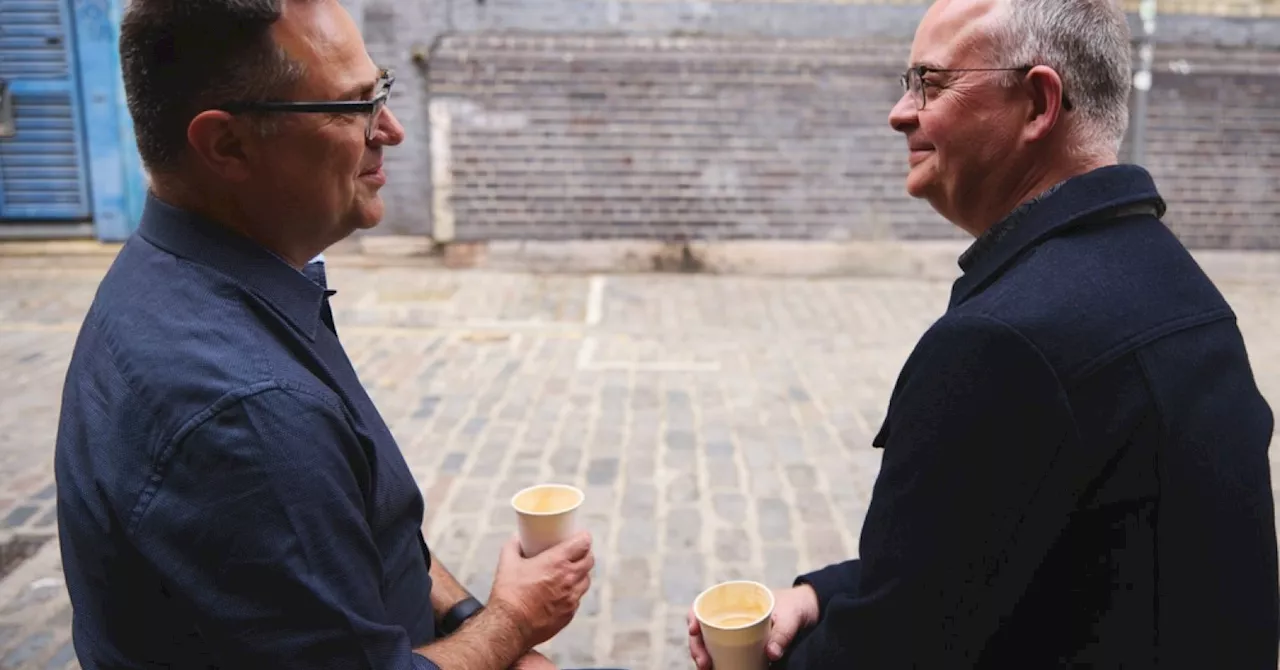
URGENT UPDATE: A new AARP survey reveals that older gay men are increasingly turning to social media to combat chronic loneliness. This finding highlights a significant shift in social engagement preferences among this demographic, raising critical questions about the future of in-person social groups.
According to the 2018 AARP Loneliness and Social Connections Survey, nearly 20% of LGBTQ+ males reported experiencing loneliness frequently, significantly higher than their heterosexual counterparts. The report underscores a growing risk of chronic loneliness among older gay men, who often prefer connecting through platforms like Facebook rather than face-to-face interactions.
IMMEDIATE IMPACT: This shift to digital engagement is vital as loneliness is now recognized as an epidemic in the U.S. In a recent 2024 Gallup Panel survey, 20% of participants indicated they felt lonely “a lot” the previous day, marking the highest rate in two years. The implications of loneliness are profound, contributing to mental health issues and increasing the risk of premature death.
The AARP survey highlights that older gay men engage in more isolated activities, often leading to unhealthy behaviors. While heterosexual individuals are more likely to socialize in person, many older gay men find solace in online communities. Facebook hosts numerous groups catering to this demographic, with memberships soaring into the hundreds of thousands. For instance, Gay Men Over 50 boasts 156,000 members, while Gay Men’s Life After 60 has 48,000 members.
As older gay men navigate their social lives, organizations like Prime Timers Worldwide are essential for fostering connections. Founded in the 1980s by couples Woody Baldwin and Sean O’Neil in Boston, this group aims to provide safe, supportive spaces for older gay men to socialize. Their model reflects a crucial need for community engagement beyond digital platforms.
WHAT TO WATCH FOR NEXT: While social media offers immediate connections, the value of in-person gatherings remains critical. The success of groups like Prime Timers indicates a persistent desire for face-to-face interaction, even as digital engagement rises. As we move forward, it will be essential to monitor how these two forms of socialization evolve and coexist.
In conclusion, as loneliness affects half of all Americans, the preference for social media among older gay men signals a pivotal moment in how this community connects and supports each other. The pressing need for companionship and community engagement will shape future initiatives aimed at addressing loneliness and fostering connection.
Stay tuned for more updates on how these trends develop and impact communities nationwide.