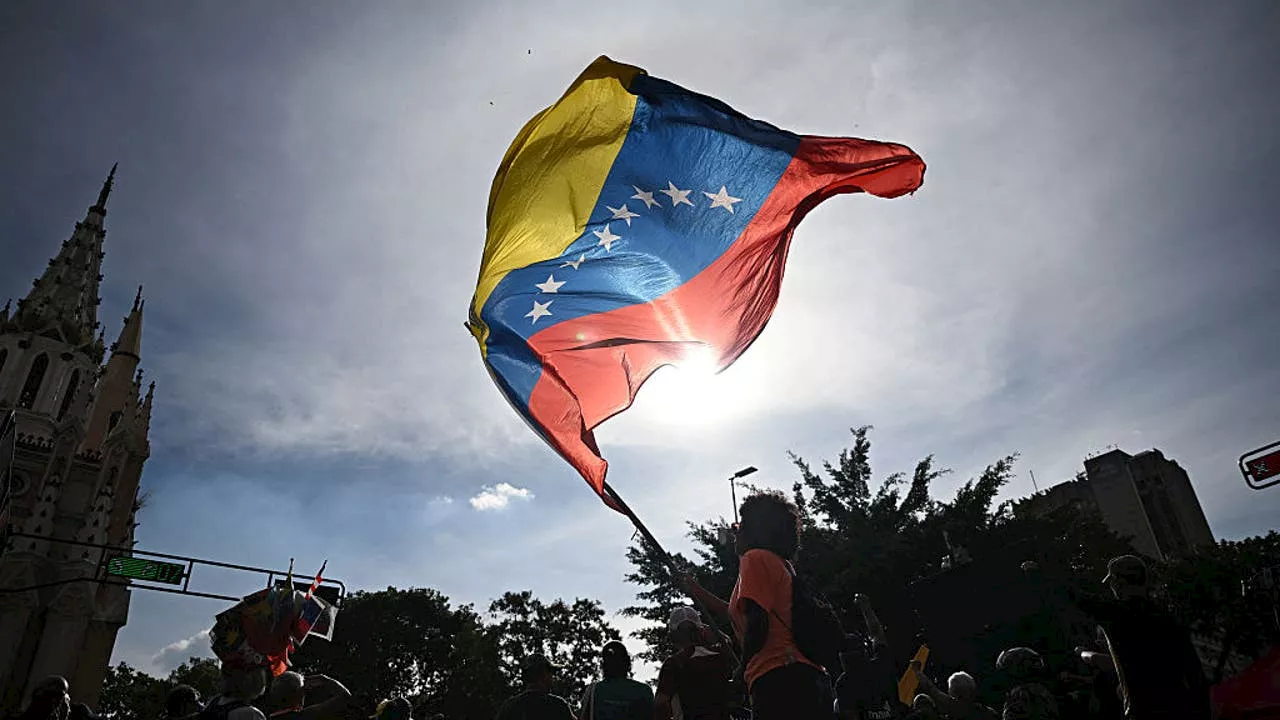
UPDATE: New polling reveals a stark division among Americans regarding potential U.S. military intervention in Venezuela, particularly in light of the recent capture of President Nicolás Maduro. Despite initial support from some Republican leaders for military action, a significant portion of the public remains firmly opposed to deeper U.S. involvement.
The latest data from a poll conducted by The Washington Post and SSRS shows that only about 4 in 10 Americans approve of sending U.S. troops to capture Maduro, while a similar percentage stands against it. Roughly 20% of respondents remain undecided. This division reflects broader concerns about the implications of U.S. actions in Venezuela.
As tensions escalate, nearly 45% of Americans oppose the U.S. taking control of Venezuela and selecting a new government, emphasizing that the decision should lie with the Venezuelan people. In a previous poll from December, approximately 60% of registered voters expressed opposition to military intervention.
“The Venezuelan people should be the ones to decide the future leadership of their country,” said an official source, echoing the sentiments of the public.
President Donald Trump has made vague assertions about the U.S. potentially “running” Venezuela following Maduro’s ouster but has provided little detail about the administration’s plans. Inconsistent statements from Trump and Secretary of State Marco Rubio have left Americans questioning the U.S. strategy moving forward.
Many Americans are wary of deeper involvement in Venezuela, particularly after Trump suggested a more expansive role in the Western Hemisphere. Polling reveals that even among Republicans, there is hesitation, with about half supporting intervention while a third express opposition.
Compounding these concerns, Trump’s administration has been criticized for lacking a definitive plan for post-Maduro governance. Current U.S. officials indicate that preparations for military occupation or establishing an interim governing authority appear non-existent, raising alarms about the administration’s readiness for the future of Venezuela.
Amidst these developments, Maduro has declared himself the rightful leader as he pleads not guilty to federal drug trafficking charges in a New York court. His indictment accuses him of collaborating with drug cartels, with potential life sentences looming if convicted.
“I am innocent. I am not guilty. I am a decent man, the constitutional president of my country,” Maduro stated in court, challenging the legitimacy of U.S. actions against him.
The implications of U.S. intervention could be profound, as lawmaker skepticism grows regarding the administration’s ability to effectively manage Venezuela’s complex political landscape. With public opinion sharply divided, the next steps in the U.S. approach to Venezuela will be closely scrutinized.
As this situation evolves, Americans are left questioning not just the legality of the intervention, but also the long-term impacts on Venezuelan sovereignty and stability. Stay tuned for further updates as this story develops.