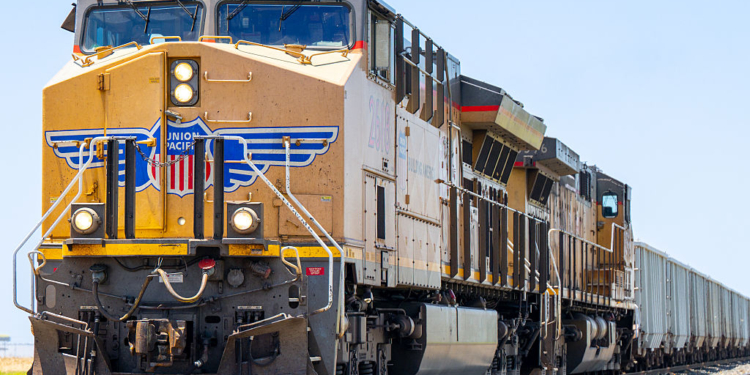
UPDATE: Shareholders of Union Pacific and Norfolk Southern have just approved a groundbreaking $85 billion merger plan, paving the way for the creation of the United States’ first coast-to-coast rail network. This monumental decision, made on Friday, saw nearly 99% of investors from both companies back the deal, marking a significant step forward in the rail industry.
Union Pacific CEO Jim Vena hailed the overwhelming approval as a clear indication that shareholders recognize the potential of this merger to “unlock new opportunities to enhance service, growth, and innovation.” The merger, however, still faces a critical test ahead: approval from the U.S. Surface Transportation Board (STB). The STB is expected to initiate a lengthy review process once the companies file their application, anticipated in late November or early December.
The implications of this merger are profound. Supporters, including the nation’s largest rail union and hundreds of shippers, argue that a unified rail system would dramatically reduce delays caused by transfers between different railroads. This efficiency is essential for boosting the economy and improving supply chain logistics in a time where rapid delivery is crucial.
However, not everyone is on board. Chemical manufacturers and BNSF, a competing railroad, warn that the merger could stifle competition and inflate shipping costs, posing a risk to many businesses reliant on freight services. Donald Trump, following a recent meeting with Vena, expressed support for the proposal, stating it “sounds good” to him, which may influence the regulatory process.
Should this merger be greenlit, it will merge Union Pacific’s vast Western network with Norfolk Southern’s extensive Eastern rail system, creating a unified rail line that spans over 50,000 miles across 43 states. This new infrastructure would connect major ports on both coasts, potentially revolutionizing the delivery of raw materials and finished goods nationwide.
Rail executives argue that this merger will eliminate current bottlenecks at interchange points, where trains must be transferred from one railroad to another. With the backing of the pro-business stance of the current administration, Vena and Norfolk Southern CEO Mark George express optimism regarding the STB’s approval.
Analysts suggest that the success of this merger could trigger further consolidations within the industry, leaving companies like CSX to consider seeking their merger partners to maintain competitiveness. Meanwhile, other major railroads, including CPKC and Canadian National, maintain that cooperation agreements are the preferable route, despite CSX’s recent appointment of a CEO with a mergers-focused background.
Financially, Union Pacific is offering a substantial package: $20 billion in cash and one UP share for each share of Norfolk Southern. Norfolk Southern shareholders would receive one Union Pacific share plus $88.82 in cash per share, valuing Norfolk Southern at approximately $320 each—significantly above its recent trading value of around $260 prior to the merger talks.
The agreement also contains a hefty $2.5 billion breakup fee should the deal collapse, underscoring the seriousness with which both companies are approaching this merger. As the situation develops, all eyes will be on the STB’s forthcoming review, which will determine if this ambitious vision for a coast-to-coast rail network becomes a reality.
Stay tuned for updates as this story unfolds and the fate of the merger hangs in the balance.