Recent research published in *npj Biofilms and Microbiomes* investigates the potential applications of biofilms—communities of microorganisms that could have played a crucial role in early life on Earth—in the context of space exploration. An international team of researchers aimed to understand both the benefits and challenges of utilizing biofilms during spaceflights, which could enhance astronaut health and contribute to sustainable practices in extraterrestrial environments.
The study began with a thorough review of the history and characteristics of biofilms. Researchers highlighted their significance in the development of complex life forms, human health, and plant production. Understanding how biofilms function and adapt is vital, particularly in the unique conditions of space, where factors such as microgravity can alter their structure and behavior.
Researchers explored how the environment of spaceflight disrupts biofilm interactions, especially within the gut and rhizosphere, which is the region where roots, microbes, and soil intersect. They analyzed data from the NASA Open Science Data Repository (OSDR), which promotes open access to research findings, revealing potential applications for biofilms in areas like precision medicine and agriculture. For instance, biofilm communities could be engineered for in situ pharmaceutical production, reducing the need for medical supplies transported from Earth.
In their conclusions, the researchers stated, “Biofilms have supported life since primordial Earth. Embedded in multicellular life, biofilms should be understood not only as risk agents to be eliminated but also as complex and adaptive biological tools to be harnessed.” They emphasized that studying biofilms in space could lead to innovative technologies that support both deep-space exploration and sustainable practices on Earth.
The ongoing research on biofilms builds on over two decades of studies focused on their behavior in space. Recent papers, including one published in *Science of Biofilms* in March 2025, simulated microgravity conditions to observe biofilm growth and development. Another study in the *Journal of Microbiology* examined biofilm formation in space and outlined potential risks along with mitigation strategies.
NASA has long been committed to understanding biofilms, particularly how they behave differently in microgravity compared to Earth. These microorganisms can adhere to surfaces more easily in space, posing risks to astronaut health and the integrity of equipment. Biofilms have shown resistance to antimicrobials and antibiotics, raising concerns about their potential to clog water systems, corrode materials, and compromise air filtration systems—crucial for maintaining a safe environment for astronauts.
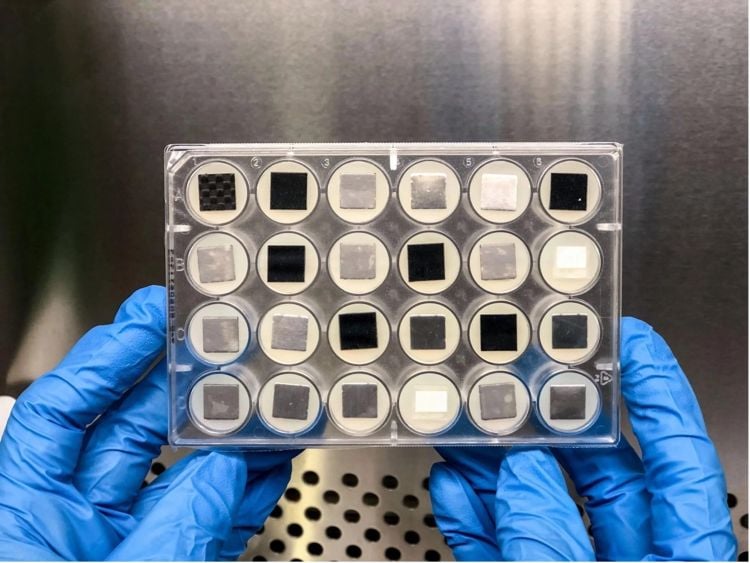
One of the most extensive investigations into biofilm activity in microgravity is the Characterization of Biofilm Formation, Growth, and Gene Expression on Different Materials and Environmental Conditions in Microgravity (Space Biofilms) project, conducted aboard the International Space Station (ISS). Here, astronauts study the complex processes of biofilm growth and development, with findings that could inform both space exploration and terrestrial applications, such as addressing biofilm-related health risks.
As research continues, biofilms represent both a challenge and an opportunity in human space exploration. Their potential to enhance life-support systems and agricultural practices in space makes them a significant area of study, whether missions are conducted on the ISS, the Moon, or Mars. Understanding how to effectively leverage biofilms could shape the future of space travel and sustainable living well beyond Earth. As scientists delve deeper into this intriguing topic, the unfolding discoveries promise to have meaningful impacts for both space and our home planet.