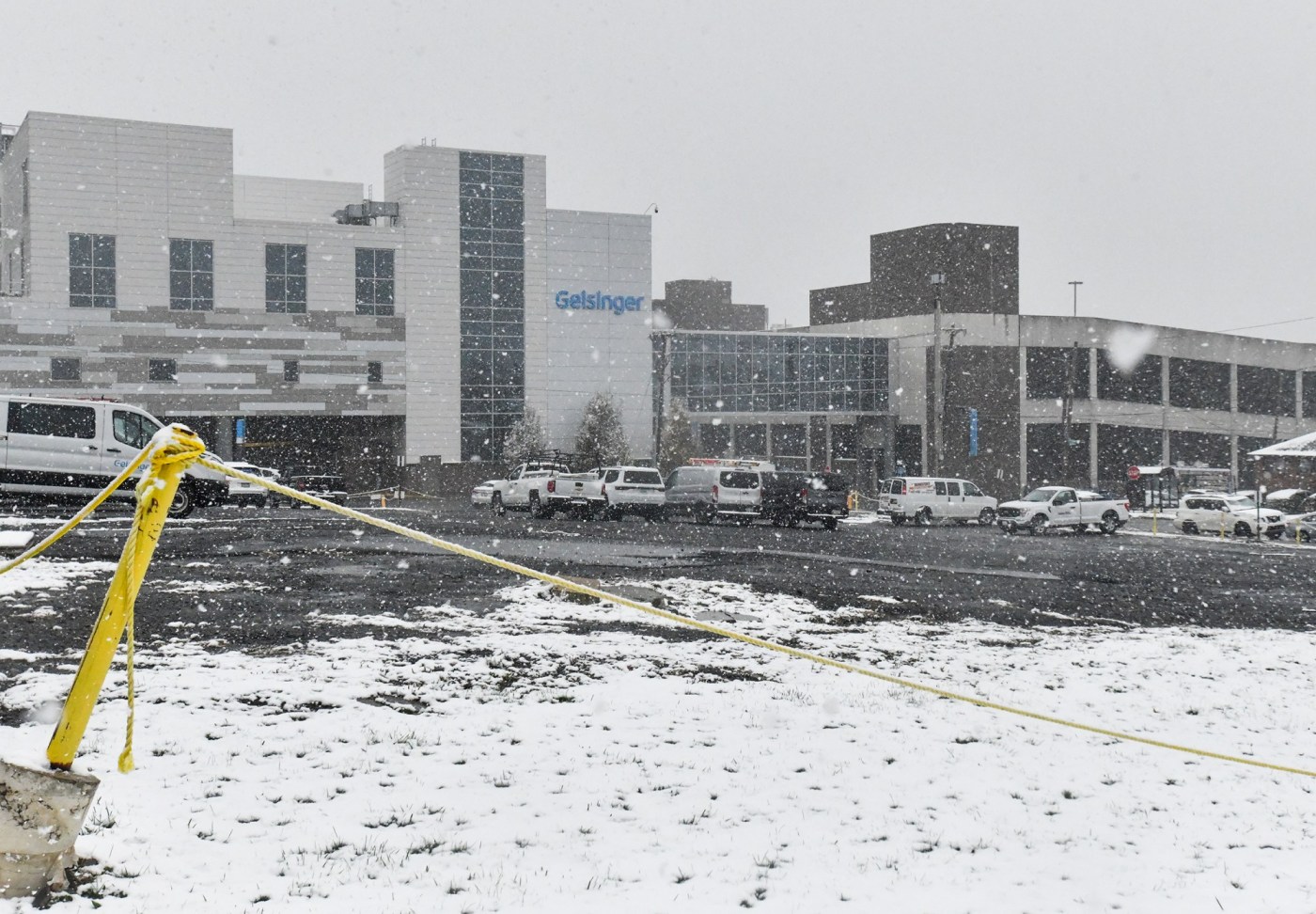
UPDATE: Major health care shifts are underway in Scranton as Geisinger Community Medical Center moves forward with an ambitious expansion plan. The city council has just approved a rezoning ordinance that allows Geisinger to drastically increase the height of its new clinical building from 45 feet to 75 feet, alongside a new five-story parking garage. This decision, made in early December, comes despite significant pushback from local residents concerned about the impact on their community.
The expansion project is set to take approximately 18 to 24 months to complete. Geisinger officials, backed by Mayor Paige Gebhardt Cognetti, assert that the investment is crucial for meeting the increasing health care demands of the region. However, residents fear that this growth will alter the neighborhood’s character and lead to heightened traffic congestion.
In a related development, the nonprofit Tenor Health Foundation has signed a letter of intent to acquire three local hospitals from Commonwealth Health, including the Regional Hospital of Scranton and Moses Taylor Hospital. This acquisition is vital for ensuring the financial viability of these facilities, which handle thousands of emergency visits and births each year. The deal comes after a previous sale collapse left the hospitals relying on emergency funding to maintain operations.
The interim CEO of Tenor Health, David E. Loving, confirmed the acquisition plan, which includes Wilkes-Barre General Hospital to stabilize the overall transaction. Community leaders are expressing cautious optimism but acknowledge that significant hurdles remain regarding financial viability and service preservation.
Moreover, the region faces additional challenges as the Supplemental Nutritional Assistance Program (SNAP) benefits were paused in November due to a federal government shutdown, affecting 1.93 million eligible Pennsylvanians. The USDA’s directive to halt benefits created widespread panic and confusion among residents, but the state has since announced a full resumption of the program.
As these crucial health care developments unfold, the focus remains on community support and the sustainability of essential services. Local leaders are urging residents to stay engaged as negotiations continue. With the future of these hospitals hanging in the balance, the stakes are high for Scranton and its surrounding communities.