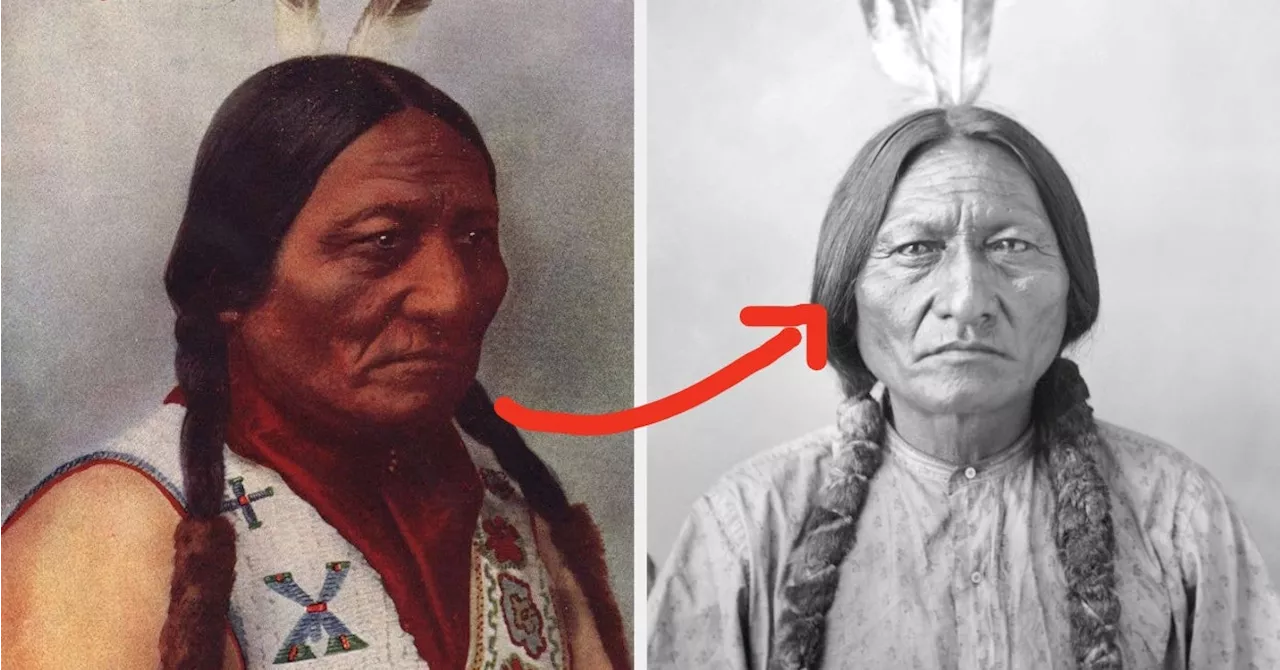
URGENT UPDATE: A groundbreaking visual comparison of portraits and photographs of historical figures has just been released, showcasing striking contrasts in style and realism. This eye-opening collection features iconic personalities from Victor Hugo to Queen Victoria, revealing how different mediums capture their essence.
The project, presented by Getty Images, showcases side-by-side comparisons of portraits and photographs, emphasizing the nuances that define each art form. Viewers can see the detailed brushwork of paintings alongside the stark realism of photographs, stirring a discussion about authenticity and artistry.
Among the featured figures are Florence Nightingale and Sitting Bull, their likenesses captured in both painted and photographic forms. The collection invites audiences to reflect on the different approaches to portraying these influential individuals. Whose representation feels more authentic?
For example, the portrait of Edgar Allan Poe from Adoc-photos contrasts sharply with a photograph of Queen Victoria by Alexander Bassano, highlighting how the mediums influence our perception of these historic icons.
Notably, the portraits of Louis Pasteur and Charles Darwin also add to this rich tapestry, as viewers are encouraged to consider the emotional weight carried by each image. The project aims to ignite conversations about how art shapes our understanding of history.
This collection is not just a visual feast; it prompts urgent questions about representation and memory. Are these iconic figures more vividly brought to life through the strokes of a brush or the click of a camera? As the debate unfolds, we invite you to share your thoughts in the comments.
With this captivating examination of art and history, audiences are encouraged to engage and reflect on their own perceptions of these celebrated figures. The project is available for viewing now, and it’s a must-see for anyone interested in the intersection of art and history.
Stay tuned for updates as more insights and reactions pour in from art critics and historians alike. This engaging contrast between paintings and photographs is poised to spark further discussions in both art and history communities worldwide.