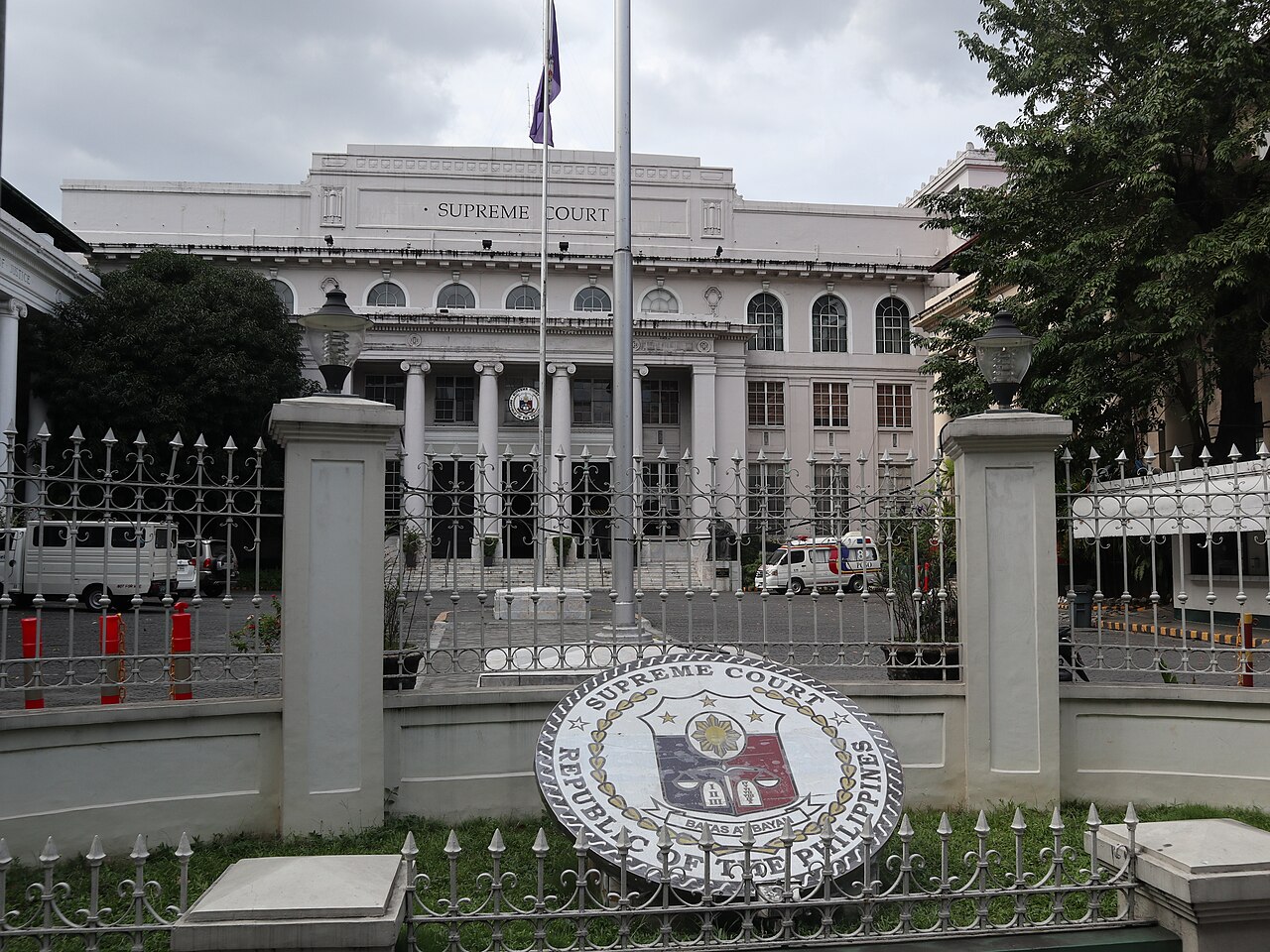
BREAKING: The Supreme Court of the Philippines has just confirmed a groundbreaking decision that recognizes co-ownership claims of same-sex live-in partners under the Family Code. In a ruling issued on February 5, 2025, the High Court determined that same-sex couples living together may claim co-ownership of property acquired during their relationship, provided they can prove actual financial contributions.
This urgent ruling clarifies the application of Article 148 of the Family Code, which previously governed property relations for couples who cohabit but cannot legally marry. The Court’s decision addresses a significant gap in Philippine law, which currently recognizes marriage only between a man and a woman.
The case, designated as G.R. No. 267469, stemmed from a dispute between former same-sex partners over a residential property bought during their cohabitation. One partner had the property registered solely in her name. Following their separation, the other partner sought legal recourse, claiming her contributions to both the purchase and renovation of the house.
Initially dismissed by lower courts for insufficient proof of contribution, the Supreme Court’s ruling overturned these decisions. Associate Justice Jhosep Y. Lopez, writing for the Court, emphasized that only properties acquired through actual joint contributions—whether in money, property, or labor—can be owned in common. The Court’s findings indicate that a signed acknowledgment from the registered owner, affirming that the other partner contributed nearly half of the property’s costs, was compelling enough to establish co-ownership.
The implications of this ruling are profound for same-sex couples in the Philippines, offering a legal framework for resolving property disputes arising from cohabitation. Although same-sex marriage remains unrecognized, this decision signals a shift toward greater legal acknowledgment of same-sex relationships.
Public figures have responded positively to the ruling. Notable singer-actor Ice Seguerra and filmmaker Liza Diño, both advocates for LGBTQ+ rights, expressed their support and highlighted the importance of this legal recognition for same-sex couples.
While the ruling does not alter the statutory definition of marriage, it provides vital guidance for lower courts in adjudicating ownership disputes based on evidence of contribution under the Family Code. This pivotal decision stands as a beacon of hope for many in the LGBTQ+ community, bringing legal clarity and protection to their relationships.
As this story develops, it is crucial to monitor how this ruling will influence future legal decisions regarding property rights for same-sex couples in the Philippines. The Supreme Court’s latest decision marks a significant moment for equality and justice, and its impact will resonate across the nation and beyond.