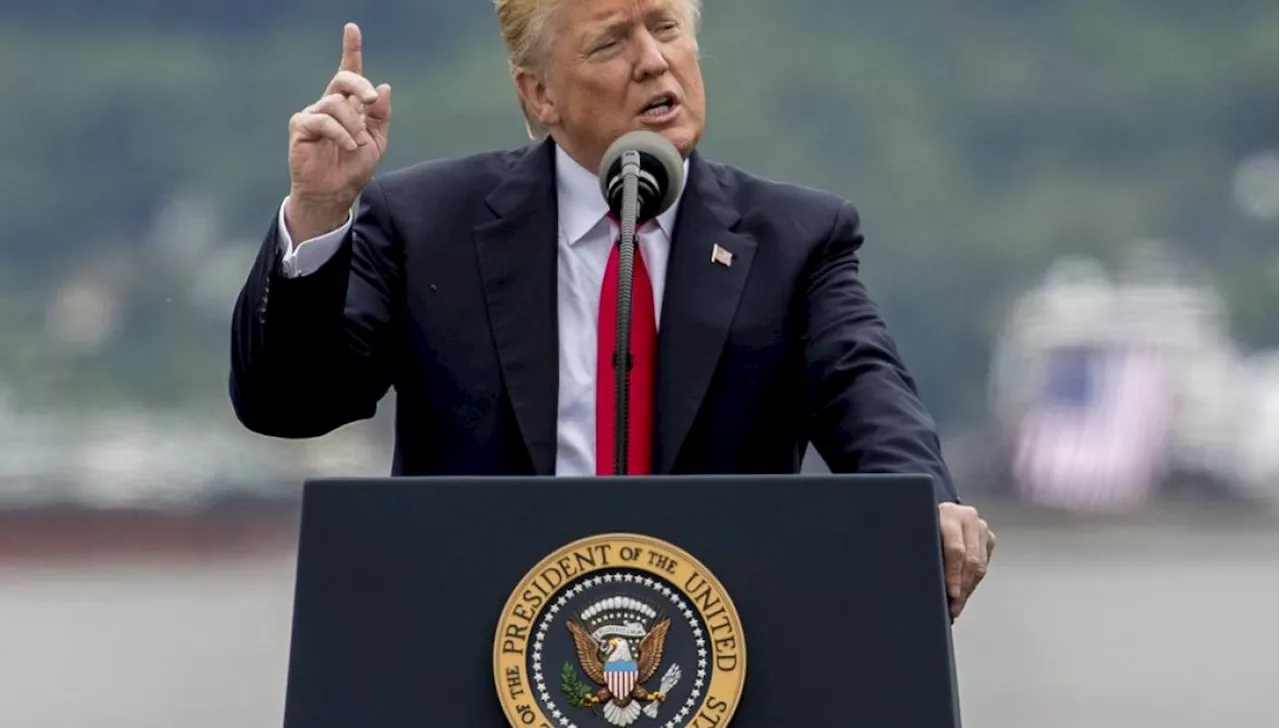
UPDATE: President Donald Trump has just announced a significant expansion of the existing travel ban, now targeting a total of 17 countries as part of urgent national security measures. This proclamation was signed today at the White House and introduces new restrictions aimed at preventing the entry of foreign nationals deemed a risk to the United States.
The updated travel ban now includes Burkina Faso, Mali, Niger, South Sudan, and Syria, alongside the original list of 12 countries that includes Afghanistan, Iran, Libya, Somalia, Sudan, and Yemen. This move comes in response to concerns over “widespread corruption, fraudulent or unreliable civil documents, and criminal records,” according to White House officials.
The implications of these restrictions are profound. The White House states that the measures are necessary to ensure the safety of Americans and to bolster the effectiveness of U.S. immigration laws. This announcement follows a recent incident where two National Guard members were shot near the White House, raising alarms about security and the vetting process for foreign nationals.
In conjunction with this travel ban, the Trump administration is also barring individuals holding Palestinian Authority-issued travel documents from entering the U.S. Additionally, 15 other countries face partial travel bans, including Angola, Nigeria, and Zambia.
The urgency of this proclamation underscores a growing sentiment within the Trump administration to take a hardline stance on immigration and national security. The risks posed by under-vetted foreign nationals have been a focal point for the administration, especially in light of recent acts of violence and terrorism.
The White House is calling for immediate compliance with these new restrictions, emphasizing their role in safeguarding American lives and interests. The Trump administration plans to implement the travel ban swiftly, with enforcement expected to begin in the coming days.
As this story develops, all eyes will be on how these new restrictions will affect those seeking entry to the United States, particularly from the newly added nations. Observers are also watching for potential legal challenges to the ban, which could arise from affected countries and advocacy groups.
Stay tuned for more updates as this situation unfolds, and understand the impact these travel restrictions may have on international relations and immigration policies in the near future.