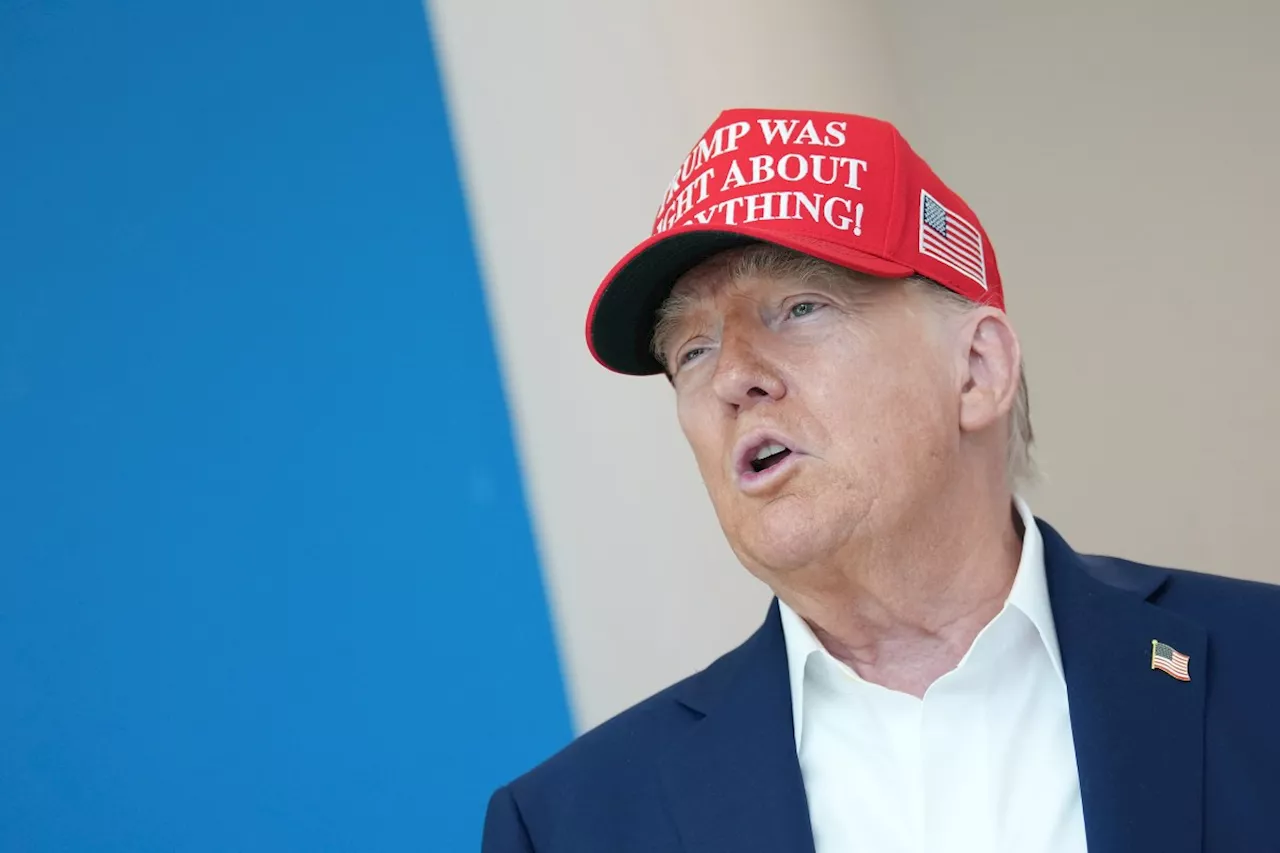
UPDATE: President Donald Trump has just announced his opposition to the proposed Nexstar Media Group acquisition of TEGNA, Inc., a merger that would control 265 TV stations and reach more than 80 percent of American households. This urgent development raises significant concerns about the future of local news coverage across the United States.
Local news outlets, once the cornerstone of American journalism, are rapidly declining as consolidation takes hold. The merger threatens to further erode the diversity and independence of local news, which is crucial for informing communities about issues that matter most to them.
Historically, local news provided vital context and coverage that national outlets often overlook. However, as family-owned newspapers have been absorbed into massive corporations, the landscape has changed dramatically, leading to a troubling trend of homogenized content. Alarmingly, local TV stations are now following suit, with reports showing that competing stations in some markets are using identical news scripts, raising questions about fairness and accuracy in reporting.
The proposed merger has sparked fierce backlash, with opponents arguing that it will lead to a “one size fits all” approach to news, diminishing local voices and perspectives. Brendan Carr, the Chairman of the Federal Communications Commission (FCC), has been urged to reject the merger, as it would undermine existing protections for local media established by Congress two decades ago.
Trump’s intervention comes at a critical time, as the FCC is expected to evaluate the implications of this merger on community news outlets. “Allowing this merger without considering its impact on local political narratives isn’t in the public’s interest,” Trump stated during a visit to Washington, D.C., on August 22, 2025.
The implications of this merger extend beyond journalism; it could also lead to higher costs for consumers. Retransmission fees charged by broadcasters to cable and satellite companies have skyrocketed by more than 2,000 percent in the last 15 years. Experts warn that merging station groups will only exacerbate these costs, leading to increased prices for viewers.
Legal experts are also questioning whether the FCC has the authority to waive the national audience reach cap, especially considering recent Supreme Court rulings. The potential violation of this cap raises serious concerns about media concentration and the influence it could have on local communities.
As the media landscape continues to evolve, the future of local news remains uncertain. The public is urged to pay attention to these developments, as the fate of independent local news hangs in the balance.
What happens next? The FCC’s decision on the merger will likely set a precedent for the future of local news in America. Stakeholders are calling for widespread public discourse on the importance of maintaining diverse and independent local media. The outcome of this merger will not only affect how news is reported but also the quality and variety of information available to the public.
As the debate heats up, the voices of local journalists and community members are more critical than ever. The fight for local news is a fight for the soul of American journalism—one that could shape the political landscape for years to come. Share your thoughts and stay tuned for updates as this story develops.