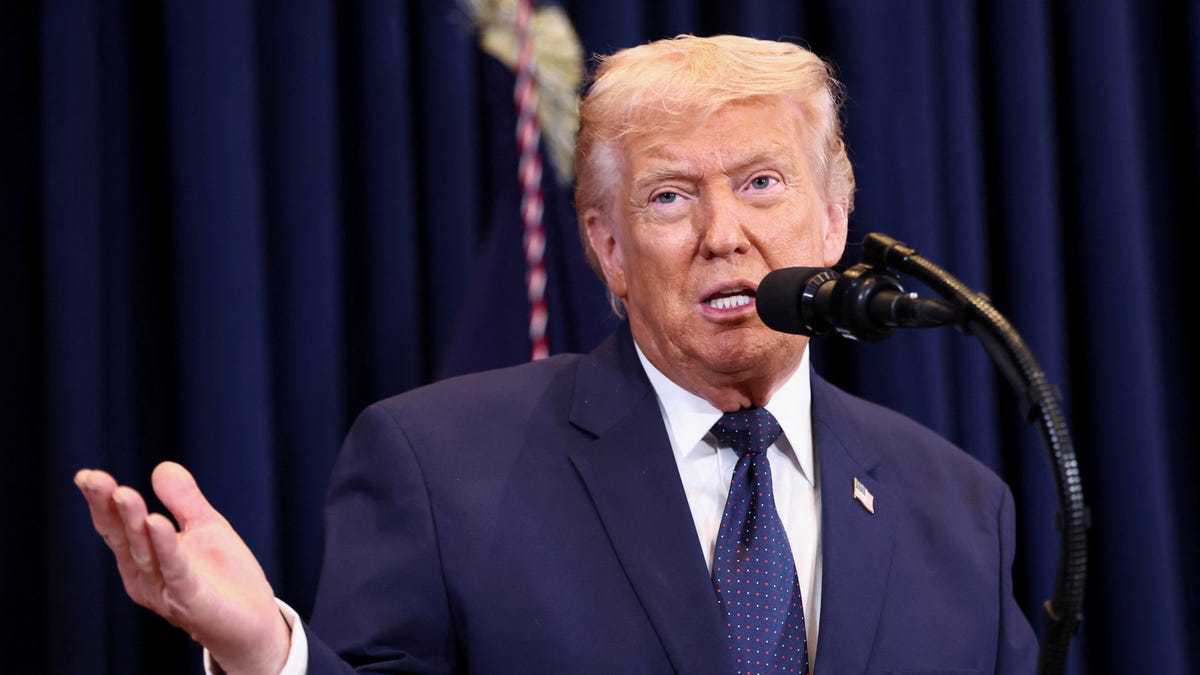
URGENT UPDATE: President Donald Trump faces a critical moment as his approval rating fluctuates, coinciding with the escalating conflict in Iran. Following the U.S. and Israeli airstrikes on February 28, 2026, which resulted in the death of Iran’s supreme leader, Ayatollah Ali Khamenei, and left at least 1,500 dead across the region, the political landscape is shifting rapidly.
The strikes were part of a campaign Trump described as necessary to eliminate “imminent threats” and prevent Iran from acquiring nuclear weapons. However, the violence has triggered a backlash, with human rights organizations calling for investigations into potential war crimes, particularly after numerous civilian casualties, including children, were reported.
Recent polls reveal that Trump’s approval rating in Florida remains relatively strong but is showing signs of strain. A Morning Consult poll released on February 9 indicates his approval at 49% with a 47% disapproval rating. While this is above the national average, it marks a notable decline.
Multiple polls confirm this trend. The Rasmussen Reports issued on March 9 show Trump at 46% approval and 53% disapproval. This survey, which included 1,500 likely voters, has a margin of error of ±2.5 percentage points. Meanwhile, Nate Silver’s Silver Bulletin reports an average approval rating of 41.3% across ten polls, with disapproval at 54.9%.
The implications of these ratings are profound. Trump’s administration is grappling with intense scrutiny over its military actions, and the fallout could influence upcoming elections. Analysts note that a president’s approval rating is a critical indicator of political capital and electoral viability.
In terms of human impact, the ongoing conflict has not only claimed lives but also intensified fears among civilians in the Middle East and the United States. Trump has stated that he expects the war to conclude “soon,” following the decimation of Iranian military capabilities. However, Iranian forces have vowed to continue their resistance, threatening to disrupt oil shipments and escalate tensions further.
The political fallout is compounded by Trump’s recent decision to fire Homeland Security Secretary Kristi Noem on March 5, following intense questioning from lawmakers regarding the department’s extensive spending.
As the situation unfolds, the next critical updates will center around the conflict’s progression and Trump’s handling of domestic approval amid international turmoil. Observers are keenly watching how these developments will shape public sentiment as the 2026 elections approach.
Stay tuned for live updates as this story develops. With Trump’s approval hanging in the balance, the question remains: how will the ongoing conflict in Iran impact his presidency and electoral prospects?