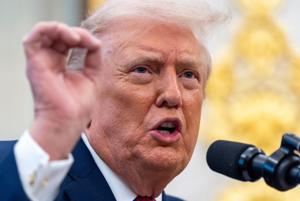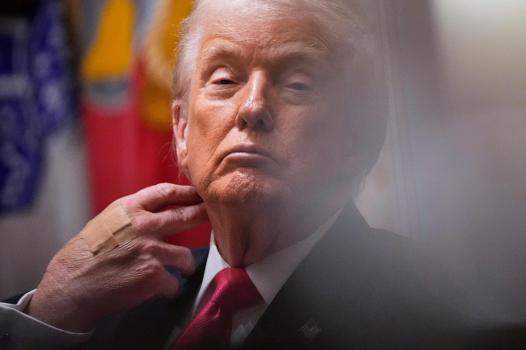
BREAKING: Former President Donald Trump has ignited fierce backlash across the nation with his recent remarks advocating for a ban on legal immigration from what he termed “Third World countries.” This controversial statement has raised urgent ethical concerns among critics, who argue that it unfairly blames entire populations for the actions of a single individual.
In a letter published in a local publication, Gisela Meier from Orange, California, condemned Trump’s remarks as not only irrational but also deeply unethical. She states that using such sweeping generalizations to justify immigration policy is akin to suggesting the deportation of all socially-isolated young men and disgruntled middle-aged men, many of whom have also been involved in violent acts.
Meier’s letter, released earlier today, emphasizes the dangers of fostering hatred and intolerance, which she described as “horrifying” and a source of shame for the country. “What a sad, bland, hollowed-out country this would be if Trump succeeded in getting rid of all the people he considers undesirable,” she wrote.
The urgency of this issue is underscored by the growing public discourse surrounding immigration policies in the United States. As the nation grapples with questions of identity, inclusion, and safety, Trump’s remarks have sparked heated debates about the moral implications of such policies. Critics argue that targeting specific nationalities or demographics only serves to deepen societal divides.
This latest development comes amidst a backdrop of increasing polarization in American politics, where the implications of Trump’s statements extend beyond immigration to broader themes of societal acceptance and mental health awareness. The issue is particularly pressing as it touches on the lives of countless individuals who may be unfairly judged based on the actions of a few.
As these discussions unfold, many are left questioning what it means to be American in a time of such divisive rhetoric. The impact of Trump’s statements resonates not only within political circles but also among ordinary citizens who feel the weight of these words in their communities.
What’s Next: The conversation surrounding immigration continues to evolve, with advocacy groups and politicians calling for a more compassionate and rational approach. Observers are urged to monitor further developments as public responses grow and more letters from concerned citizens emerge.
This story is developing, and its implications will likely resonate for weeks to come. Stay tuned for more updates on this critical issue affecting the nation.