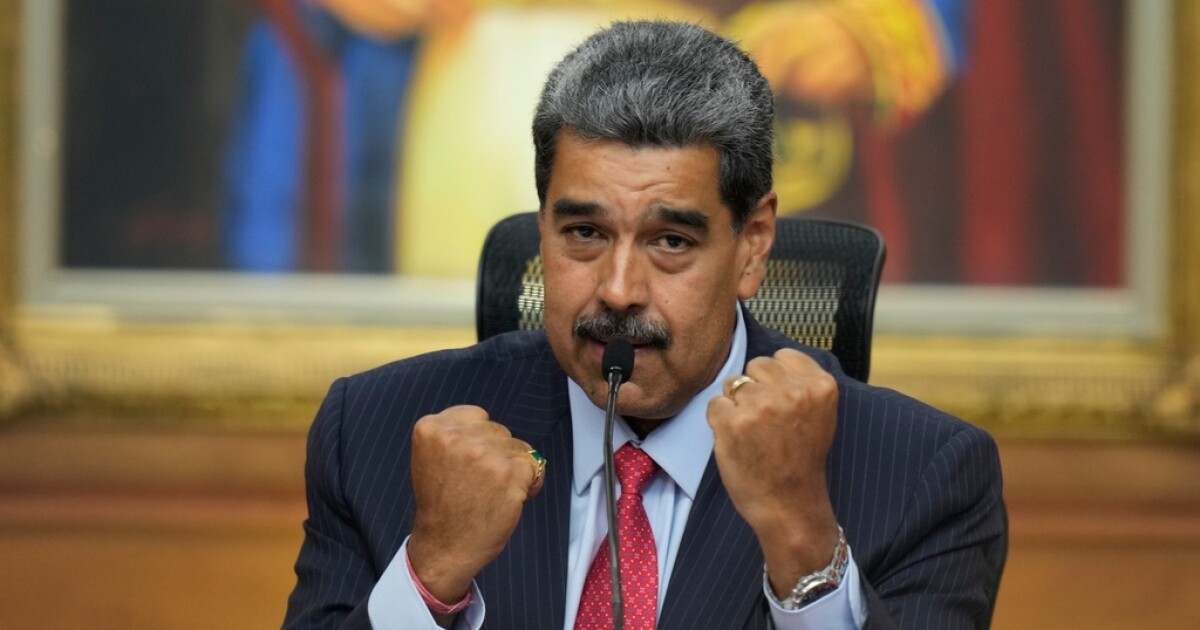
UPDATE: The U.S. has apprehended Venezuelan leader Nicolas Maduro in a high-stakes military operation, triggering urgent discussions among lawmakers about the future of Venezuela and its citizens. The capture occurred over the weekend, and Maduro is scheduled to make his first court appearance on Monday at 10 AM ET in New York City, facing serious charges, including narco-terrorism and possession of a machine gun.
Officials confirm that the operation required “months of coordination, detailed planning, and seamless execution” across multiple federal agencies, according to Attorney General Pam Bondi. She emphasized that this mission aimed to support ongoing criminal prosecutions related to drug trafficking, which have destabilized the region and contributed to America’s drug crisis.
President Donald Trump announced Maduro’s capture on Saturday morning, describing it as a critical step in addressing the violence that has plagued Venezuela. In a striking response, Venezuelan Vice President Delcy Rodriguez condemned the arrest as “barbaric” and demanded Maduro’s immediate release. Trump, in an exclusive interview with The Atlantic, warned Rodriguez that failure to act responsibly could lead to severe consequences.
Democratic lawmakers are expressing concerns over Trump’s remarks suggesting the U.S. will “run” Venezuela in the interim. Questions are being raised regarding the financial implications for American taxpayers and the potential for a prolonged military presence in the country. Marco Rubio, Secretary of State, defended the capture but clarified that the U.S. is not in a state of war with Venezuela.
Rubio stated in a weekend interview, “Here’s the bottom line: we expect to see changes in Venezuela. The immediate changes are in the national interest of the United States.” He, along with Defense Secretary Pete Hegseth, is scheduled to provide a classified briefing to lawmakers on the developments surrounding Maduro’s capture.
The implications of this operation extend beyond political ramifications; they resonate deeply with the Venezuelan populace suffering from economic turmoil and violence. As the world watches closely, the future of Venezuela hangs in the balance, and the urgency for change is palpable.
As events unfold, the international community will be keen to observe how this military operation alters the landscape in Venezuela. With Maduro’s court appearance looming, all eyes are on the U.S. government’s next steps and the potential for a new chapter in Venezuelan history.