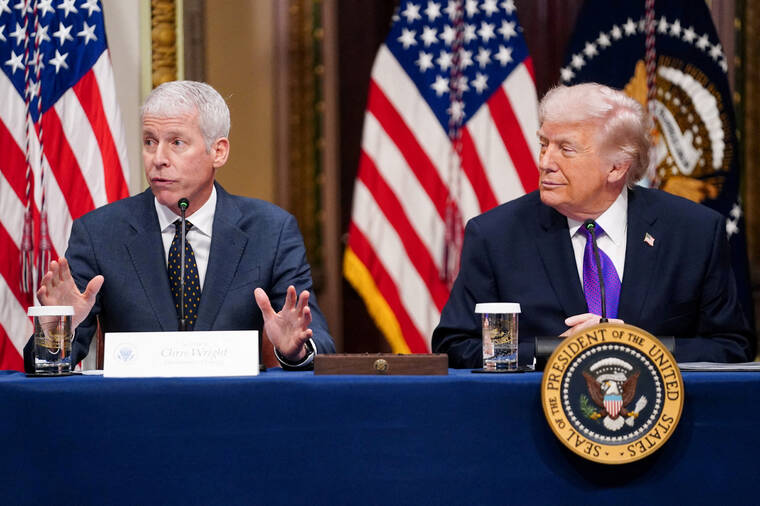
U.S. energy officials have defended their decision to temporarily lift certain sanctions on Russian oil amid rising gasoline prices linked to the ongoing conflict in Iran. Energy Secretary Chris Wright and U.S. Ambassador to the United Nations Mike Waltz appeared on various television programs to explain the waiver issued last week, which allows India to purchase Russian oil. This move, they argue, is essential to alleviate pressure on the global oil market.
Waltz stated on NBC’s “Meet the Press” that the waiver represents a “30-day pause” to facilitate the movement of oil currently stored on ships to Indian refineries. He emphasized that this strategy is based on practical reasoning, aiming to mitigate fears of a potential oil shortage. Wright echoed this sentiment during an interview on CNN’s “State of the Union,” asserting that the waiver could help stabilize market concerns regarding price spikes.
As the conflict in Iran enters its second week, American consumers are experiencing significant increases in gasoline prices. The national average price for regular gasoline reached $3.32 per gallon as of last Friday, marking an 11% rise from the previous week and the highest level since September 2024, according to data from the American Automobile Association (AAA). Diesel prices surged to $4.33 per gallon, a 15% increase, representing the highest rates since November 2023.
In a statement on social media, former President Donald Trump characterized the temporary spike in oil prices as a minor issue compared to the broader context of safety and peace. He predicted that prices would fall rapidly once the military operations in Iran concluded, referring to the situation as a manageable challenge for the United States and the world.
Wright also emphasized on “Fox News Sunday” that there is currently no shortage of oil or natural gas. He attributed the price increases to market fears and perceptions of a prolonged conflict. “But it won’t be,” he stated, aligning with Trump’s view that the conflict will be resolved in weeks rather than months.
The geopolitical landscape continues to be volatile, with U.S. crude futures rising over 20% in early trading in Asia on Monday, reaching their highest point since July 2022. These increases are driven by concerns over supply disruptions, particularly through the critical Strait of Hormuz.
In response to the rising prices, Senate Minority Leader Chuck Schumer called for the release of oil from the Strategic Petroleum Reserve, which currently holds approximately 415 million barrels. Schumer criticized the administration’s approach, urging Trump to stabilize markets and alleviate the financial burden on American families.
Meanwhile, Senator John Kennedy of Louisiana pointed fingers at energy speculators for the price surge, suggesting that speculative trading is artificially inflating oil prices. His comments highlight the diverse opinions within Congress regarding the causes of rising fuel costs.
Political analysts note that sustained increases in gasoline prices could pose challenges for Republicans as the November midterm elections approach, where control of Congress will be contested. A recent Reuters/Ipsos poll indicated that many respondents do not share Trump’s optimistic assessment of the economy, reflecting widespread concerns among the public.
As the situation develops, the Energy Department has not yet commented on Schumer’s proposal or on additional measures to address rising fuel prices. The coming weeks will be pivotal in determining how these dynamics unfold in both the energy market and the broader U.S. economy.