URGENT UPDATE: At least 15 Jeffrey Epstein files vanish from DOJ
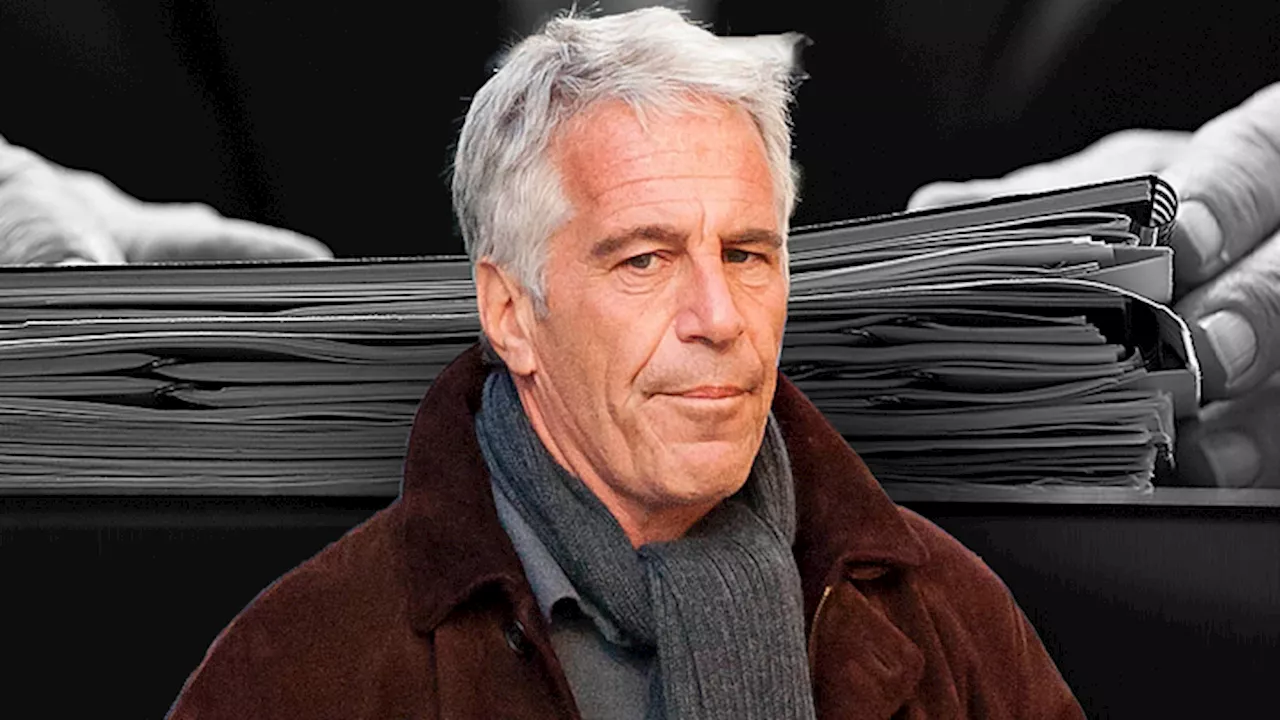
In a shocking turn of events, CBS News has confirmed that at least 15 files related to the notorious Jeffrey Epstein case have mysteriously disappeared from the Justice Department’s website. This alarming discovery raises serious questions about transparency in the handling of sensitive information linked to Epstein’s crimes.
The missing files, which included photographs of prominent figures like Bill Clinton, Donald Trump, and even the Pope, were part of a release made public on Friday. By Saturday, the documents were no longer accessible online. CBS News had previously downloaded the complete set, allowing for a direct comparison to confirm the files’ absence.
WHAT’S AT STAKE: Implications of the missing documents
The disappearance of these documents intensifies existing concerns regarding the Justice Department’s commitment to accountability and transparency. The files contained sensitive material, including framed photographs displayed in Epstein’s residences. Among these, one image depicted President Trump alongside Epstein and his associate, Ghislaine Maxwell.
“The absence of these documents raises critical questions about the integrity of the Justice Department’s disclosure process,” CBS News reported.
Further adding to the scrutiny, the released documents have largely failed to shed new light on Epstein’s criminal activities or the prosecutorial decisions that allowed him to evade significant federal charges for years. Notably absent are crucial records, such as FBI interviews with victims and internal memos related to charging decisions. These omissions could potentially explain how Epstein was permitted to plead guilty to a minor state-level prostitution charge in 2008.
Congress mandated the public release of these records, yet the current disclosures have failed to reference high-profile individuals, including Prince Andrew, raising further questions about who was scrutinized and who was not.
Among the revealed information, the documents also included insights into the Justice Department’s decision to abandon an investigation into Epstein during the 2000s, which ultimately contributed to his lenient sentencing. A previously unseen complaint from 1996 accused Epstein of stealing photographs of children, raising the stakes on the public’s demand for accountability.
Despite a deadline set by Congress for a complete public release of the documents, the Justice Department announced plans to release records on a rolling basis. Officials attributed the delays to the lengthy process of redacting victims’ names and other identifying information, yet no specific dates have been provided.
This situation is developing rapidly, and the implications are significant. As more information becomes available, the public’s demand for transparency will only grow. For now, the focus remains on the missing documents and what this means for ongoing investigations into Epstein’s extensive network.
Stay tuned for updates on this critical story as it unfolds.